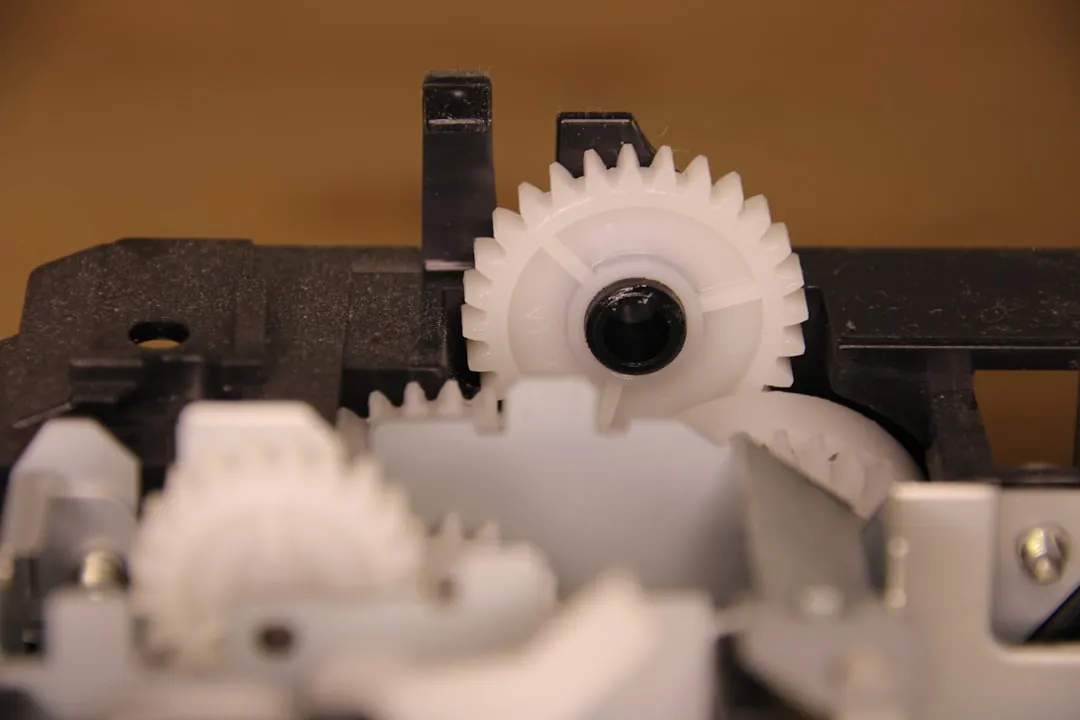
The Jura E8 "Error 8" is the harbinger of a mechanical stalemate within your kitchen. In short, it signifies that the brew group—the heart of the machine—has failed to reach its home position or complete its cycle. Usually, this isn't a dead motor; it’s a friction-induced seizure caused by dried-up lubricant, calcified coffee oils, or a mechanical obstruction that the machine's firmware simply refuses to override. You need to reset the brewing unit manually, clean the sliding gears, and re-lubricate with food-grade silicone grease.
The Architecture of Failure: Why the Brew Unit Seizes
After 15 years of tearing down these Swiss-engineered behemoths, I can tell you that the Jura E8 is a masterpiece of compact efficiency until it isn’t. Error 8 is rarely an electrical failure; it is almost always a physical one. The Jura brew group operates on a complex rail system that moves a piston up and down. Over thousands of shots, coffee micro-grounds infiltrate the grease, turning it into a grinding paste. Eventually, the motor hits its current-limit threshold—the machine senses that it is pushing too hard against resistance—and throws Error 8 to save itself from burning out the drive motor.
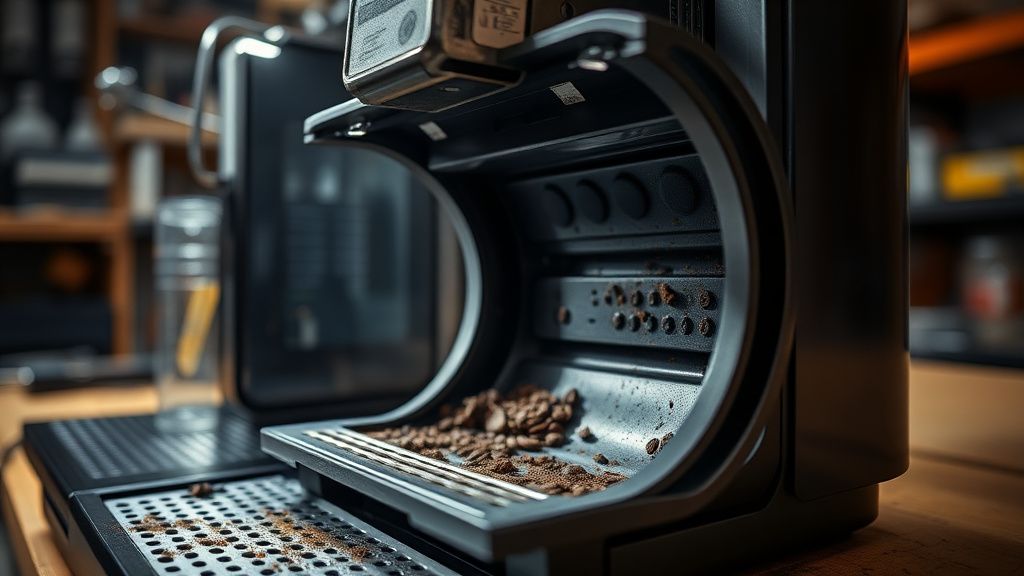
Users often blame the firmware or a "bad sensor," but on forums like CoffeeGeek or various dedicated Reddit threads, the truth is usually revealed in the discarded O-rings found at the bottom of the drip tray. Similarly, a Nespresso Vertuo Next red light blinking often points to easily fixable internal issues rather than a fundamental component failure. The machine is essentially saying, "I’m tired of fighting the friction, so I’m stopping."
Operational Reality: The Maintenance Debt
The marketing brochures for high-end super-automatics rarely mention the "Maintenance Debt." You buy a machine, you press a button, and you get a barista-quality flat white. But the mechanical reality is that you are hosting a small, high-pressure chemical factory in your kitchen.
When you see Error 8, you are witnessing the collision between Swiss precision engineering and the reality of a home environment where people rarely descale on schedule. The internal brew group is a proprietary component—Jura doesn't make these easy to replace for the average consumer because they want you in their authorized service loop. They want the $200–$300 repair fee. But for those of us who have spent hours with a Torx T10 screwdriver in hand, the repair is an exercise in patience rather than rocket science.
Deconstructing the Brew Group: A Step-by-Step Mechanical Analysis
To resolve the Error 8, you have to perform a "deep-tissue massage" on the brewing unit. You need to pull the side panel, access the internal chassis, and physically remove the unit.
- Isolation: Cut the power. Don’t trust the standby mode.
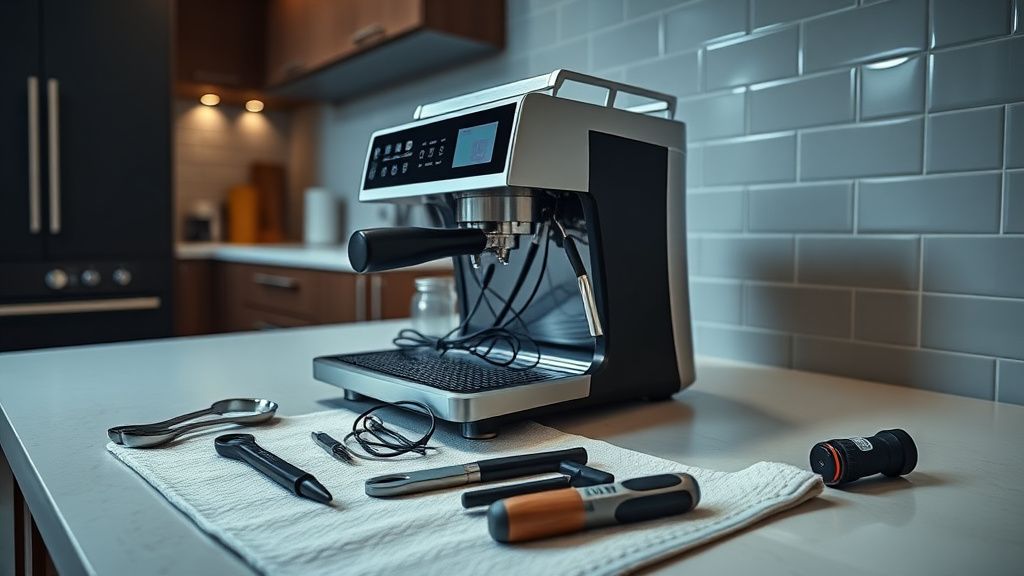
- Accessing the Guts: Removing the side panel of an E8 requires a special oval-head key (often sold as a "Jura security tool"). This is the first gatekeeper. Once inside, you’ll find the spaghetti of tubing and the brew group itself.
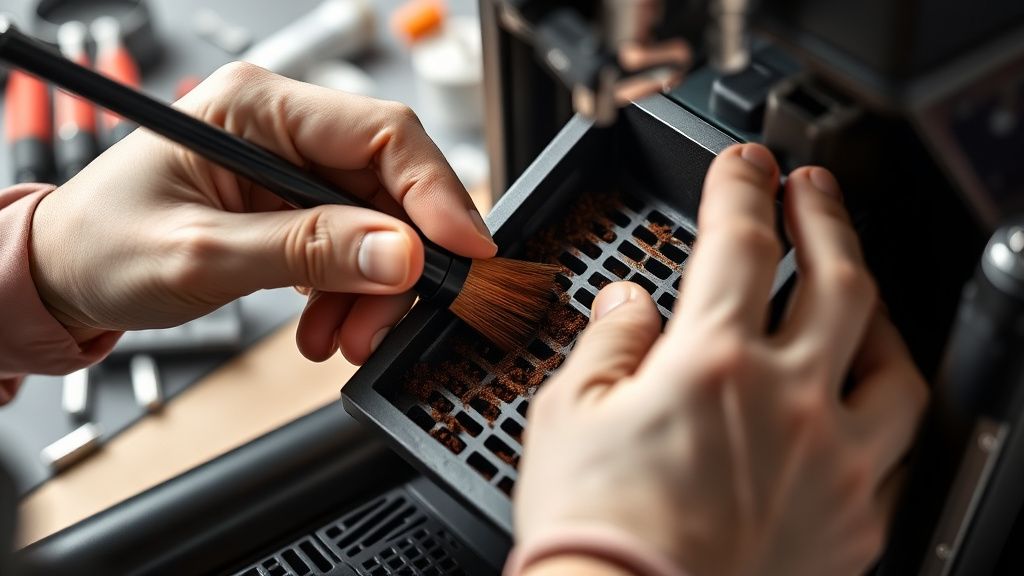
- The Mechanical Bind: Look for the guide rails. Are they black and gummy? If so, the friction is your culprit. Use a soft brush to remove the debris.
- O-Ring Inspection: The main piston O-ring is a common failure point. If it’s dry-rotted, it’s dragging against the cylinder wall.
Real Field Reports: Community Friction and the "Workaround" Culture
The discourse on GitHub and Discord repair channels often highlights a divide between the "purists" who advocate for full component replacement and the "hackers" who insist on simply cleaning and re-greasing.
One prominent thread on a community forum noted that "the Error 8 is often misdiagnosed by local shops as a motor failure." This is a classic example of institutional pressure in the repair industry. Why replace a $10 O-ring and spend an hour cleaning when you can charge for a $150 motor assembly? The user backlash against this practice has led to the proliferation of aftermarket repair kits, which, while effective, often lack the specific density of the OEM silicone grease required for long-term reliability.
Counter-Criticism: Why Modern Jura Machines Are Getting Harder to Fix
There is a growing, valid criticism that as Jura iterates on the E8, they are making it more difficult to access the brew group without damaging the plastic housing clips. In earlier models, the machine felt "serviceable." Now, it feels "manufactured to be discarded."
- The "Black Box" Problem: Newer models utilize more integrated sensor arrays. If you disturb the alignment of the hall-effect sensors while cleaning the brew group, you can transition from Error 8 to a complete system hang.
- Monetization Conflict: Every year, the "smart" features increase, but the mechanical wear-and-tear items remain unchanged. This is a design contradiction: high-tech software managing low-tech mechanical degradation.
Avoiding the "Repair Nightmare": Proactive vs. Reactive Maintenance
If you are reading this, you are likely in the "Reactive" camp—the machine is broken, and you want your coffee back. However, the path to avoiding future Error 8 codes is entirely proactive.
- Lubrication Frequency: Every 500–800 cycles, the brew unit must be pulled and lubricated. Most users do this... never.
- The Descaling Myth: Descaling only addresses mineral buildup in the thermoblock; it does nothing for the mechanical rails of the brew unit. Don't conflate the two.
- Coffee Bean Selection: Extremely oily, dark-roasted beans leave a residue that accelerates the "gunk" buildup. If you prefer oily roasts, double your cleaning frequency.
When to Throw in the Towel
There is a point where the cost of repair exceeds the value of the machine. If you open the casing and find that the main PCB has been corroded by a leaking internal hose—a frequent side effect of high-pressure fatigue—stop. Spending money on professional repair for a unit with a failing logic board is often a sunk cost. Always verify the status of the "Brew Group Drive Motor" by checking if it turns freely by hand; if it’s seized, you are likely looking at a motor replacement or a full unit swap.
FAQ
Is it safe to use generic silicone grease on my Jura?
Why does the Error 8 appear immediately after a cleaning cycle?
Can I bypass the Error 8 by unplugging the machine?
Are there any "hidden" service menus to reset the motor position?
How do I know if the brew motor is actually dead?
Final Synthesis: The Reality of the Consumer Appliance Ecosystem
The Jura E8 is a marvel of efficiency that hides its fragility behind a polished facade. The Error 8 is not a defect; it is a feature of a machine that requires a human to act as an interface between its software expectations and its mechanical reality. We live in an age where we expect total automation, but the trade-off is a machine that becomes a "black box" once it fails. By understanding the mechanical reality of your coffee machine, you regain agency over an appliance that was designed to be opaque. Keep it clean, keep it lubricated, and don’t let the firmware dictate your ability to have a morning cup of coffee.