The "E1" error on your Instant Vortex Plus ClearCook isn't just a notification; it is the machine’s way of admitting that its internal ecosystem of sensors, heating elements, and airflow logic has hit a wall. In professional technician terms, an E1 code almost universally points to a thermal sensor (thermistor) failure or a disconnected wiring harness between the main logic board and the heating chamber. If you are seeing this, the unit has likely lost its ability to regulate temperature, triggering a safety shutoff to prevent a thermal runaway event.
The Anatomy of an Air Fryer Failure: Why "E1" Matters
When you open up an air fryer—especially models as tightly integrated as the ClearCook series—you aren’t just looking at a heating coil and a fan; you're dealing with complex systems where even a fan error, like the E3 on Instant Pot Vortex Plus, can halt operation. You’re looking at a pressurized, high-heat environment that subjects delicate electronics to constant thermal cycling.
An air fryer is essentially a convection oven that has been compressed into a space the size of a toaster. The NTC (Negative Temperature Coefficient) thermistor is the heartbeat of this system. It monitors the internal temperature and sends resistance data back to the PCB (Printed Circuit Board). When the E1 error trips, the firmware on your controller has detected an "Open Circuit" or "Short Circuit" condition on this sensor, a common indicator of underlying thermal issues, similar to what you might encounter with an Instant Vortex Plus E2 Error. The system is designed to stop immediately because the alternative is a fire hazard.
Technical Diagnostics: The Lifecycle of a Sensor Breakage
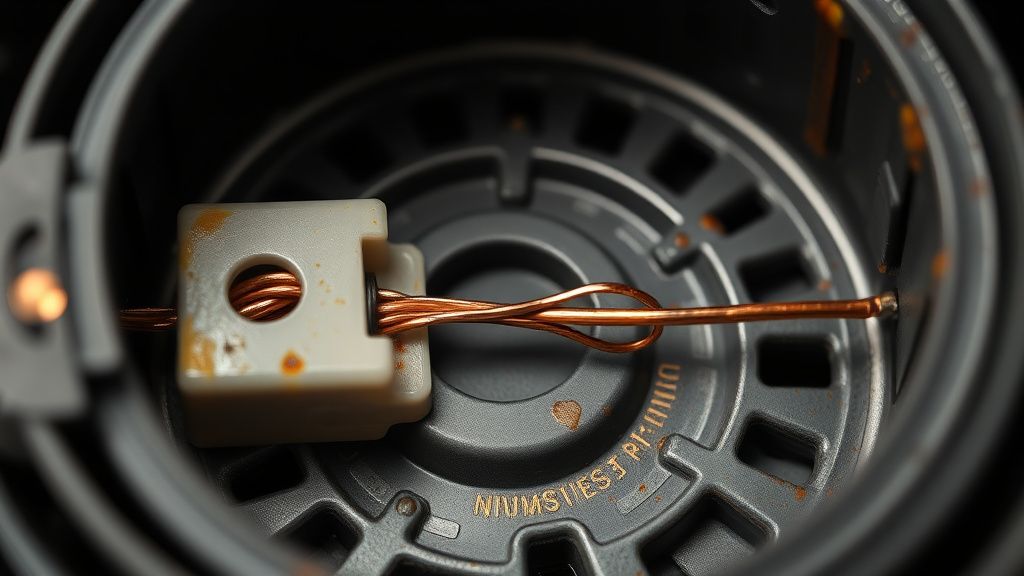
Most users think their machine "just broke." In reality, the breakdown is a process that began months ago. Inside the Vortex Plus, the thermistor is usually positioned near the top heating element. Over time, the repeated expansion and contraction of the metal brackets, combined with the vibration of the convection fan, causes the crimped connections to loosen.
I have seen countless units where the sensor itself is perfectly fine, but the JST connector (the plastic plug connecting the sensor wire to the main control board) has vibrated loose or developed corrosion due to humidity trapped inside the cavity. If you’re a DIYer willing to void your warranty, the repair often involves little more than reconnecting a plug or, in more severe cases, resoldering a thermal fuse.
Operational Reality: The "Right to Repair" Wall
Let’s be honest: Instant Brands, like most modern small appliance manufacturers, doesn't want you touching the inside of these machines. The chassis is often held together by specialized tamper-resistant screws—Security Torx or Y-type bits—that act as a social barrier to entry.
When you dive into the forums on Reddit or the GitHub pages of independent repair communities, you see the frustration clearly. A machine that cost $150 becomes a paperweight because of a $0.50 thermistor wire. The "planned obsolescence" debate is at its peak here. When the E1 error appears, the official support channel will almost always suggest a unit replacement. Why? Because the labor cost for a technician to disassemble the ClearCook, identify the broken sensor, and reassemble the unit exceeds the retail price of a new unit.
Real Field Reports: What the Community Says
Looking at the threads on r/airfryer and various appliance repair Discord servers, the "E1" narrative is consistent, indicating that this error code is a widespread issue across different brands, including the Ninja Foodi E1 Error Code.
- User A (Reddit): "My unit popped the E1 during a 400°F chicken breast run. Opened it up, found the yellow wire to the sensor had melted against the heating coil casing."
- User B (Discord): "I tried bypassing the sensor, but the firmware detected the lack of resistance and wouldn't even turn on the fan. It's a closed-loop system; you can't just trick the PCB."
These reports highlight a critical issue: the software is as much a hurdle as the hardware. Even if you "fix" the physical connection, if the controller has logged a persistent hardware fault in its EEPROM, some units may require a hard reset or a power cycle that the standard user manual fails to mention.
The Risks of DIY Repair and Counter-Criticism
There is a massive debate regarding the safety of "patching" a thermistor. If you solder a new connection, are you using high-temperature-rated solder? Are you using Teflon-coated or ceramic-insulated wiring? If you use standard household electrical tape or PVC-coated wire inside an air fryer chamber, you are asking for a secondary failure—or worse, a house fire—within days.
Many appliance repair experts argue that the E1 error is the system’s "kill switch." By trying to circumvent it, you are bypassing a critical safety feature. The counter-criticism here is that, while safety is paramount, these units are designed with such poor longevity that the "repair" is often the only way to keep the machine out of a landfill.
Step-by-Step Diagnostic Path
Before you start tearing screws, follow this standard technical triage:
- Hard Reset: Unplug the unit for at least 30 minutes. Some capacitors on the control board hold a charge that maintains a "fault state" in the memory.
- Clear the Vents: Sometimes the E1 error is a false positive caused by a restricted intake fan. If the airflow is blocked, the internal temperature spikes instantly, and the thermistor triggers an emergency cutoff.
- Inspect the Airflow Path: Remove the basket and inspect the top heating element. Do you see a dangling wire? Is there visible charring on the ceramic casing surrounding the sensor?
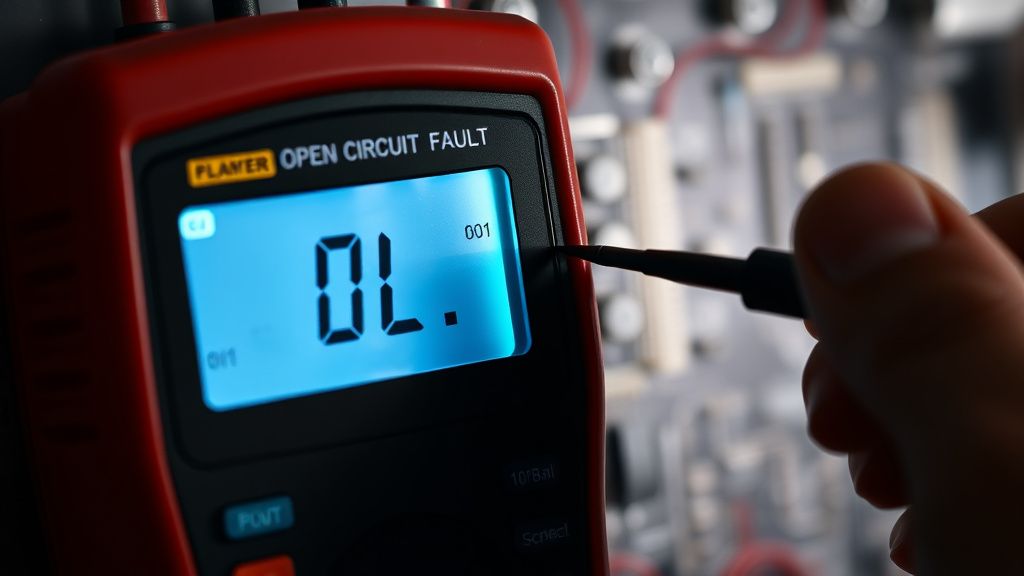
- Multimeter Check: If you have access to the internals, set your multimeter to Ohms (Ω). A healthy thermistor should provide a specific resistance reading (usually 50k to 100k Ohms at room temperature, though this varies by model). If the meter reads "OL" (Open Loop), the sensor is dead.
The Hidden Costs of Fragmentation
Why is it so hard to find the exact replacement part for a specific Vortex Plus model? The supply chain for these appliances is highly fragmented. A model manufactured in 2021 might have a completely different internal wiring layout than the same model sold in 2023. This "rolling production" model is a nightmare for independent repair shops and consumers alike.
When you order a "generic" thermistor from Amazon, you are playing a game of technical roulette. Does it have the same temperature curve? Does it match the calibration of your specific PCB? Most of the time, the answer is no. This leads to erratic cooking temperatures, where the machine thinks it's at 350°F but is actually blasting the food at 450°F.
The Psychological Impact on the User
There is a profound sense of "trust erosion" that happens when a appliance like this fails. We buy these devices for convenience, but the E1 error forces the user into the role of a junior engineer. People feel cheated when a "premium" product fails due to a two-cent component. This leads to a culture of "disposable appliance syndrome." Instead of fixing it, the user throws it away, feels bitter about the brand, and buys a competitor's model, which—statistically—is manufactured in the exact same facility with the exact same budget components.
Is the E1 Fixable?
The short answer: It depends on your threshold for risk and your technical capability.
- If the issue is a loose plug: It is a 10-minute fix involving a screwdriver and some patience.
- If the sensor has degraded: It requires sourcing a high-temp component and proper soldering skills.
- If the control board has fried: The unit is effectively dead. The cost of a replacement PCB, even if you can find one, is prohibitive.
Conclusion: The Future of Home Appliance Repair
The E1 error on your Instant Vortex is a microcosm of the larger struggle between consumers, manufacturers, and the environment. Until companies like Instant Brands provide accessible schematics, affordable spare parts, and "repair-friendly" chassis designs, the E1 error will remain a symbol of modern consumer frustration. For now, treat your machine with care, keep the vents clear, and if you do decide to open it up, respect the electricity inside. It’s not just a kitchen appliance; it’s a high-voltage system that demands respect.