
If your DeLonghi Magnifica Evo is displaying an error or refusing to grind, the conical burr mechanism is likely obstructed by an oily bean or a foreign object. For similar grinder-related issues, you might find solutions if your Jura Z10 grinder is too fine and needs expert repair. Power off the machine, unplug it, and use a vacuum to clear residual grounds from the chute. Avoid using water or sharp metal tools to dislodge debris.
The DeLonghi Magnifica Evo is a masterclass in compromise. On paper, it is a sleek, touch-sensitive entry point into the world of automatic espresso, a device designed to bridge the gap between convenience and the romanticism of manual brewing. In the sterile, air-conditioned world of marketing mock-ups, it produces perfect crema with a tap of an icon. In the real world, however, I’ve spent the better part of a decade pulling these things apart on kitchen counters that are covered in spilled milk and stale espresso grounds. The grinder jam isn’t just a "bug"—it’s an inevitable tax you pay for the privilege of one-touch caffeine.
The Engineering Anatomy of the Conical Burr System and Bean Hopper Friction
The grinding mechanism in the Magnifica Evo relies on a hardened steel conical burr set. It is a robust piece of engineering, but it operates under a fundamental constraint: it is designed to crush coffee beans, not ceramic, stone, or the occasional rogue screw that makes it into a bag of wholesale beans. When you hear that high-pitched, agonizing "whir-grind-stall" noise, you aren't just hearing a jam; you are hearing a thermal protection circuit saving the motor from burning out.
The primary point of failure here is the coffee bean density and moisture content. Modern "light roast" trends in specialty coffee have created a massive headache for these home appliances. Light-roasted beans are significantly denser and harder than the oily, dark roasts the machine was calibrated for in the factory. When a user forces the burrs to a "fine" setting with light-roast beans, the motor torque often hits a ceiling. The result? A stalled motor, a clogged exit chute, and an infuriated user on Reddit wondering why their 600-dollar machine has turned into a glorified paperweight.
Real Field Report: The "Dark Roast Oil Trap" Failure
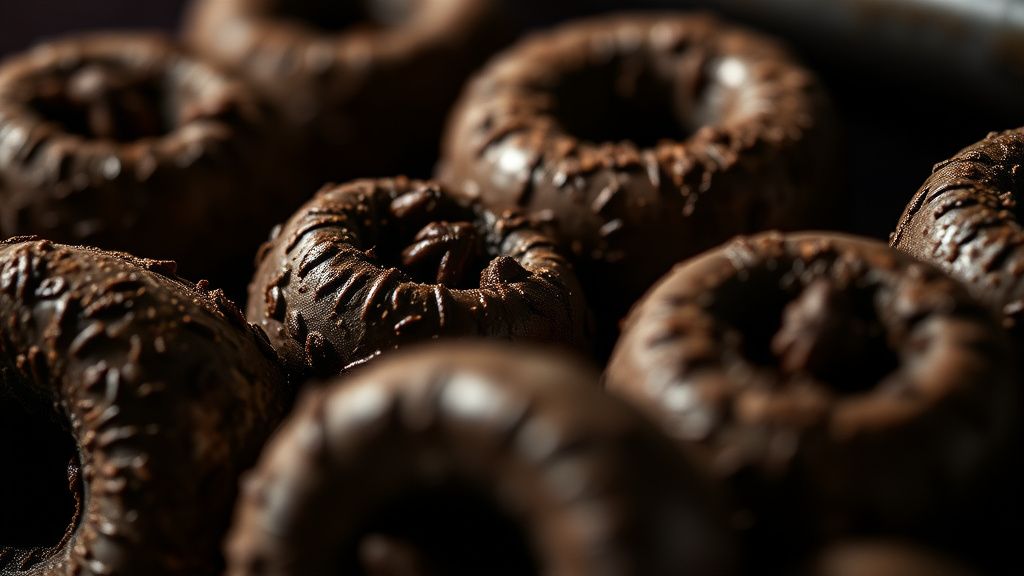
I recall a specific support thread on a popular coffee enthusiast forum where a user reported the "grinder failure" light flashing every single morning. After digging into their routine, it turned out they were exclusively using an artisanal, ultra-oily dark roast. The oil from these beans essentially creates a glue when mixed with fine particulate, coating the inner burr carrier and the discharge chute.
Over time, this isn't just dust; it’s a hardened paste that acts like a brake pad. The machine attempts to initiate a grind, the resistance is too high, and the firmware triggers an error state to prevent a catastrophic motor failure. Understanding common error states can be crucial, especially if your DeLonghi La Specialista is giving flow meter errors. It is a system designed to protect itself from the user’s choice of beans, but because the error messaging on the Evo is cryptic—often just flashing LEDs—the user assumes the hardware is broken, not that their beans are simply too "gourmet" for the tolerances of an entry-level automatic grinder. Such persistent issues, like when a Philips 2200 LatteGo gets stuck on calc-clean, often require specific troubleshooting.
Operational Realities of Clearing a Blocked Burr Mechanism
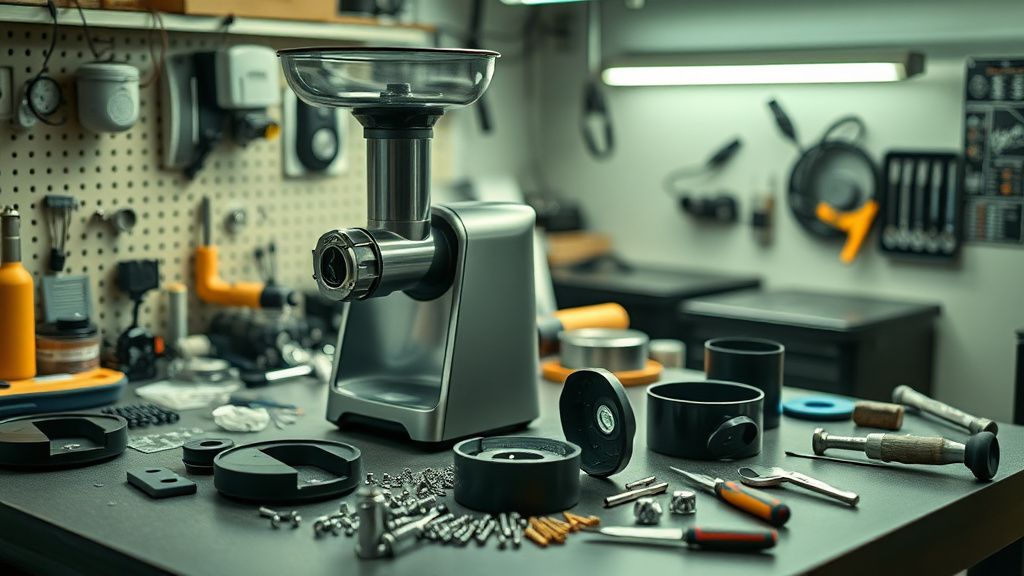
When the jam occurs, your first instinct will be to reach for a screwdriver. Don't. Most of the "maintenance" guides floating around YouTube suggest disassembling the entire front chassis, which is an excellent way to snap a plastic tab and void your warranty.
The procedure for clearing a blockage should always follow a specific, non-invasive order of operations:
- The Vacuum Extraction (Dry Method): Use a vacuum cleaner nozzle with a narrow attachment to pull grounds out of the hopper and the chute. Never use compressed air; you will only blow coffee dust deeper into the sensors.
- The Dial Adjustment: Many users believe they can change the grind setting while the machine is at rest. This is a critical error. The burrs must be moving while you adjust the knob toward the "coarse" setting to release tension. If the machine is already jammed, move the dial to the coarsest setting and attempt a reset.
- The "No-Water" Policy: I cannot stress this enough—do not pour water into the hopper. The moment water touches the residual coffee paste inside the chute, you have created a concrete-like substance that will require a complete teardown of the grinder assembly to resolve.
The "False Positive" Trap and Sensor Sensitivity
A significant portion of the "jam" reports I handle aren't actually physical jams. They are sensor errors. The Magnifica Evo utilizes a hall-effect sensor or a current-draw monitor to determine if the grinder is operating within parameters. If the electronics detect a spike in amperage—which could be caused by a momentary slip in the power supply or a piece of chaff blocking the sensor eye—the machine kills the process.
Users often report that "everything broke after the latest software update" or "the machine won't start after a cleaning cycle." In these cases, the machine isn't broken; it is suffering from a calibration drift. The "workaround" culture has led to a plethora of "hidden menu" resets, but these are often dangerous. Relying on an unofficial forum-sourced button combination to reset the grinder motor can, in some cases, disable the thermal protection features entirely, leading to a permanent motor death.
Counter-Criticism: Why the Magnifica Evo is Both Loved and Loathed
There is a fundamental divide in the community regarding these machines. The "Prosumer" camp, typically found on Discord servers dedicated to espresso, argues that the Magnifica Evo is an inherently flawed product because it lacks user-serviceability. They argue that the hidden menus and proprietary parts are a dark pattern designed to funnel users into an expensive service loop.
Conversely, the "Convenience" camp defends the machine, noting that for 95% of the population, a one-touch machine that works for three years is worth the occasional jam. The reality lies in the middle: the machine is a sophisticated balance of cost-cutting and high-end automation. It has to be complex to grind, tamp, and brew, but that complexity is hidden behind a polished interface that gives users the false impression that the process is simple and foolproof.
Avoiding the Jam: A Maintenance Philosophy
If you want to keep your Evo running, you must treat the hopper like an intake manifold.
- Avoid "Super-Oily" Beans: If your fingers get shiny just touching the bean, it is likely too oily for the internal chute of an automatic machine.
- The Grind Setting Rule: Once you find a setting that works, leave it alone. Constant switching between fine and coarse settings increases the mechanical wear on the adjustment collar, which is one of the most common failure points in the Magnifica line.
- Periodic Cleaning: Every month, use a dedicated coffee grinder cleaner (pellets, not water) to run through the mechanism. It absorbs the oils and helps prevent that "paste" from forming.
FAQ
Why does my machine say it's jammed when I just put in new beans?
Is it safe to use a wooden skewer to clear a blockage?
Does the "Grinder Jam" error mean my motor is dead?
Why is there so much coffee dust inside the machine?
Are all DeLonghi Magnifica models this prone to jamming?
The Final Analysis: Institutional Pressure vs. User Patience
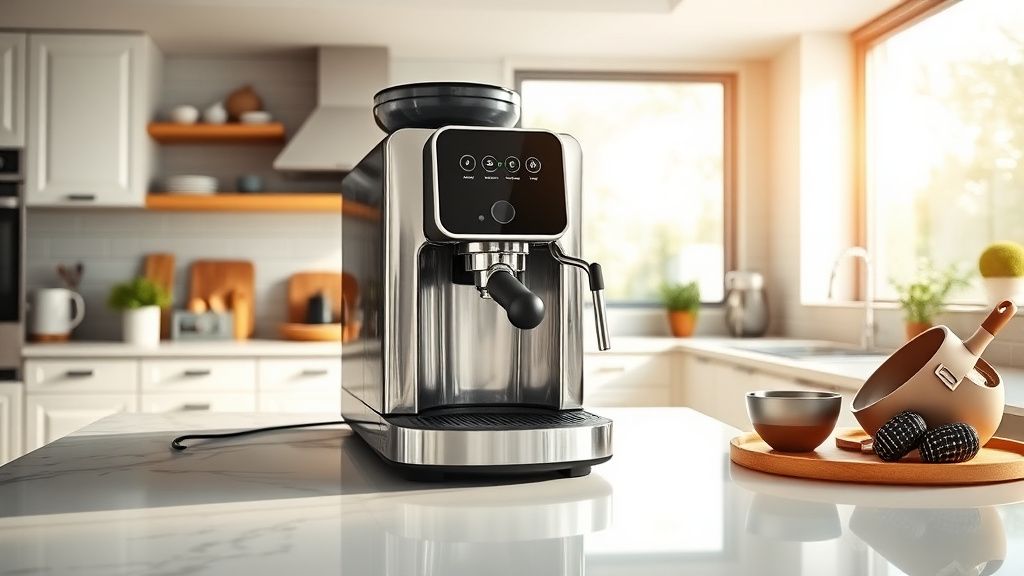
We live in an era of "disposable appliance culture." The DeLonghi Magnifica Evo sits on a razor’s edge. It is cheap enough to be bought in a department store, but complex enough to require a manual and a basic understanding of mechanical troubleshooting. The friction between the user's desire for a "perfect cup" and the realities of a motorized, plastic-heavy grinder is the source of all the online drama, the angry Reddit posts, and the "why does this thing keep beeping at me" support tickets.
When you purchase a machine like this, you aren't just buying a coffee maker; you're entering a tacit contract with a piece of hardware that requires a bit of care. If you treat it like an appliance that you can ignore for years, it will eventually betray you with a flashing red light. But if you accept the maintenance—the vacuuming, the bean selection, the delicate adjustments—it will serve you well. The system isn't broken; it’s just demanding. And in the world of home robotics and appliances, that is the most honest truth you’ll get.