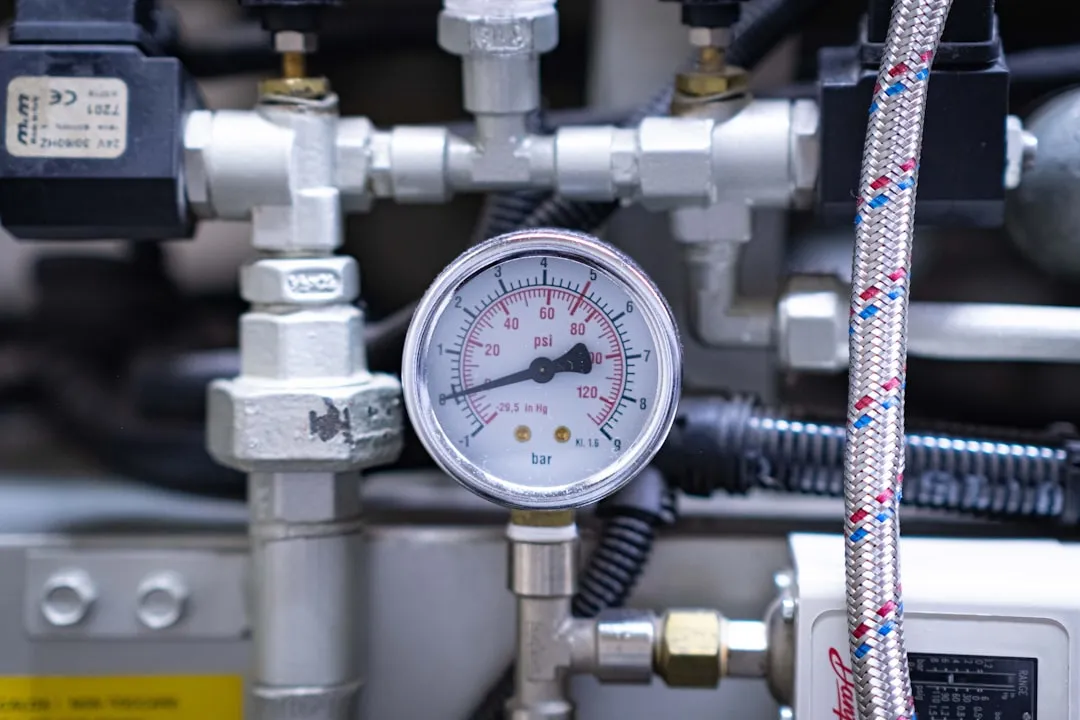
The "Flow Meter Error" on a DeLonghi La Specialista isn't just a notification; it is the machine’s way of admitting that its internal bureaucracy has collapsed. When the hall effect sensor stops counting pulses from the turbine, the machine essentially goes blind. It stops mid-brew, throws a flashing LED tantrum, and leaves you with a puck of wet, wasted coffee grounds. This is a classic case of low-cost electromechanical components meeting the harsh reality of hot water, mineral scale, and pressurized environments.
The Architecture of Failure: DeLonghi Flow Meter Physics and Pulse Counting Logic
At the heart of the La Specialista’s hydration system lies a tiny, unassuming turbine. As water flows from your tank, through the pump, and toward the thermoblock, it spins a small magnetic impeller inside a plastic housing. A hall effect sensor sits outside this housing, counting the magnetic pulses generated by the spinning impeller. The machine’s logic board—the "brain"—expects a specific number of pulses per second. If the pulse count drops to zero or remains inconsistent, the firmware assumes a blockage, an empty tank, or a pump failure.
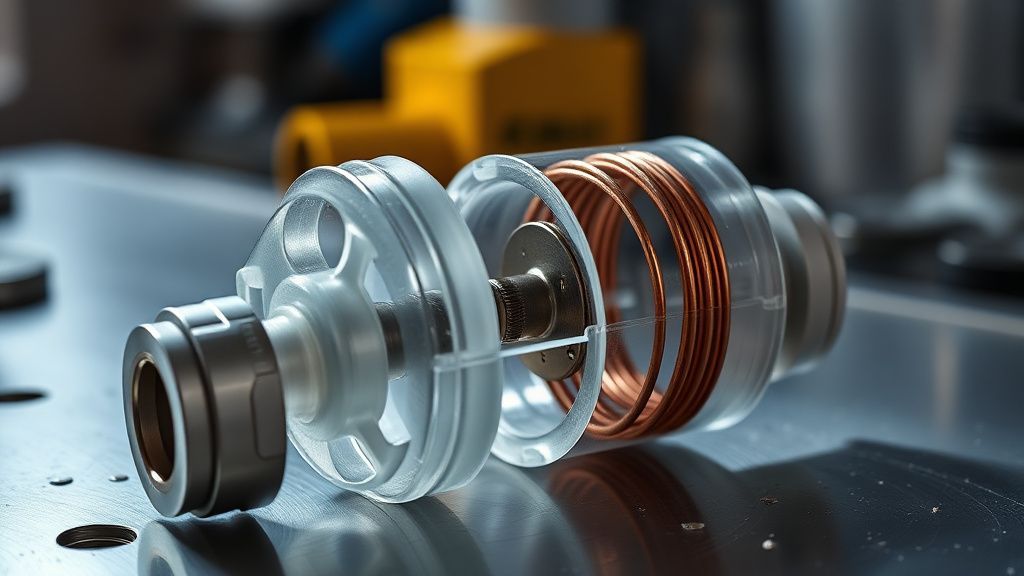
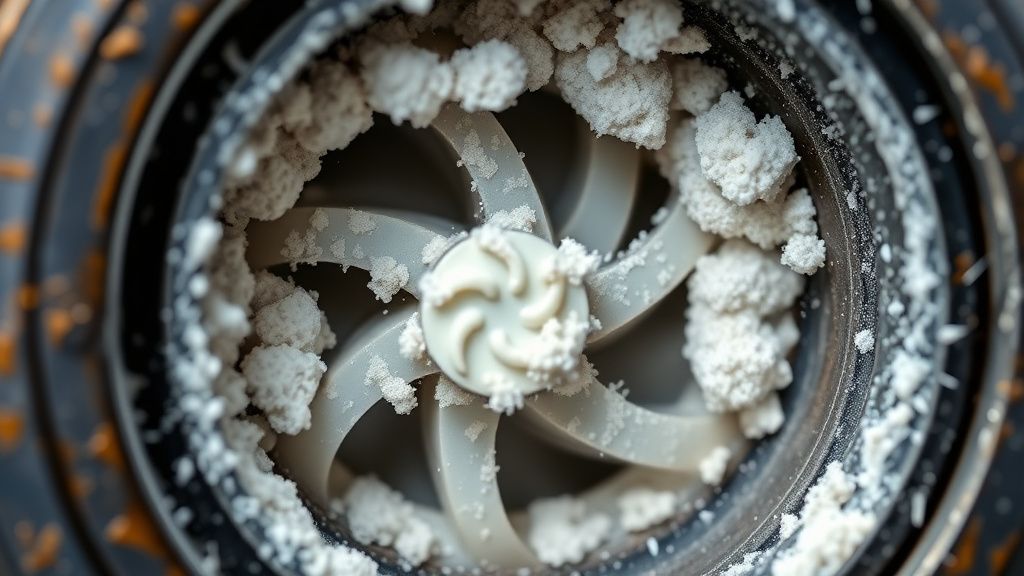
The operational reality here is far less elegant than the engineering diagrams suggest. The primary culprit in 90% of field cases is calcium carbonate buildup (limescale). When scale forms inside the turbine chamber, it acts like sand in a gearbox. The impeller gets sluggish, the pulse frequency drifts, and the CPU throws the error. But there is a deeper, more cynical problem: the sensor itself is a commodity part. It’s cheap, mass-produced, and subjected to massive thermal cycling—going from cold water during standby to nearly boiling temperatures during a brew cycle. Over time, the internal potting compound of the sensor cracks, letting moisture creep into the PCB, leading to phantom pulse readings.
Dissecting the "Flow Meter Error" Symptoms: Beyond the Blinking Lights
If you are seeing the lights flash, you aren’t just looking at a broken part; you are looking at a system that has lost its reference point. Users often confuse this with pump failure. The difference is tactile: a failing pump usually makes a high-pitched, strained sound before dying. A flow meter error, however, often happens while the pump is still running, or just as it engages. The machine "times out" because it isn't getting the feedback loop it requires to confirm water is actually moving through the lines, much like when a machine experiences other flow issues or clogged spouts.
Common behavioral patterns in the field:
- The "Half-Cup" Syndrome: The machine dispenses 30ml and then cuts off, triggering the error. This is a classic indication of a dirty impeller struggling to overcome the friction of scale.
- The Immediate Shutdown: You press the button, the pump engages for 0.5 seconds, and then the whole system halts. This suggests a total sensor failure—no pulses are reaching the logic board, and the system fails a "pre-flight" safety check.
- The Intermittent Glitch: It works fine on Tuesday but fails every Friday. This often points to an unstable electrical connection—the wiring harness between the flow meter and the main board is likely vibrating loose due to the pump's mechanical oscillation.
Real Field Reports: The Reality of DIY Repairs vs. Authorized Service
In the enthusiast circles on Reddit’s /r/espresso or the Home-Barista forums, the consensus is clear: DeLonghi’s modular design is a double-edged sword. It’s easy to open, but the parts are often "glued" into their housing via proprietary plastic clips that snap if you look at them the wrong way.
One recurring thread on a popular appliance repair forum (Thread ID: #DE-99421) highlights a persistent issue: even after replacing the flow meter, users sometimes still get the error. Why? Because the silicone tubing upstream of the meter had kinked. When the machine was reassembled, the tight radius of the tube restricted water flow enough to cause a "low flow" error, which the firmware confuses for a faulty sensor. The lesson here is that the machine is a holistic ecosystem. You cannot just swap the component; you have to inspect the entire fluid path.
Why the "Descaling Cycle" Often Fails to Fix the Meter
There is a widespread misconception that running the built-in descaling cycle will "fix" a flow meter error. This is technically true only if the blockage is minor. If the impeller is physically seized by hardened scale, the citric acid solution simply won't reach the interior of the housing effectively. You are essentially asking a clogged pipe to clean itself by pushing water through it—water that the machine won't let you push because it's already in error mode!
The "workaround" culture has led to some dangerous DIY habits. Some users try to bypass the error by tricking the sensor with a magnet, but this is a fool’s errand. The board expects an oscillating magnetic field, not a static one. If you fool the sensor, you risk the pump running dry while the thermoblock overheats, potentially melting the internal seals. Do not attempt to bypass safety logic; it exists for a reason.
The Engineering Compromise: Why Plastic Matters
You might wonder why a premium machine uses such fragile plastic components for critical hydration. It’s not just cost-cutting; it’s a design necessity for thermal expansion. Metal would conduct too much heat from the boiler to the flow meter, potentially warping it or causing premature failure of the magnetic sensor. The choice of engineering-grade polymers is a trade-off: they are chemically inert and thermally stable, but they are magnets for mineral buildup.
Troubleshooting Protocol: A Technician’s Step-by-Step
If you find yourself staring at that flashing warning, follow this sequence before you reach for your credit card:
- The Hard Reset: Unplug the machine, wait 10 minutes. Sometimes the hall effect sensor needs a power cycle to reset its threshold.
- The Physical Inspection: Remove the water tank. Look at the intake valve. Is there debris? Use a small syringe to back-flush the intake valve with distilled water.
- The Harness Check: Open the top cover. Follow the thin wires from the flow meter to the PCB. Are they seated tightly? Pump vibration is a notorious "cable loosener."
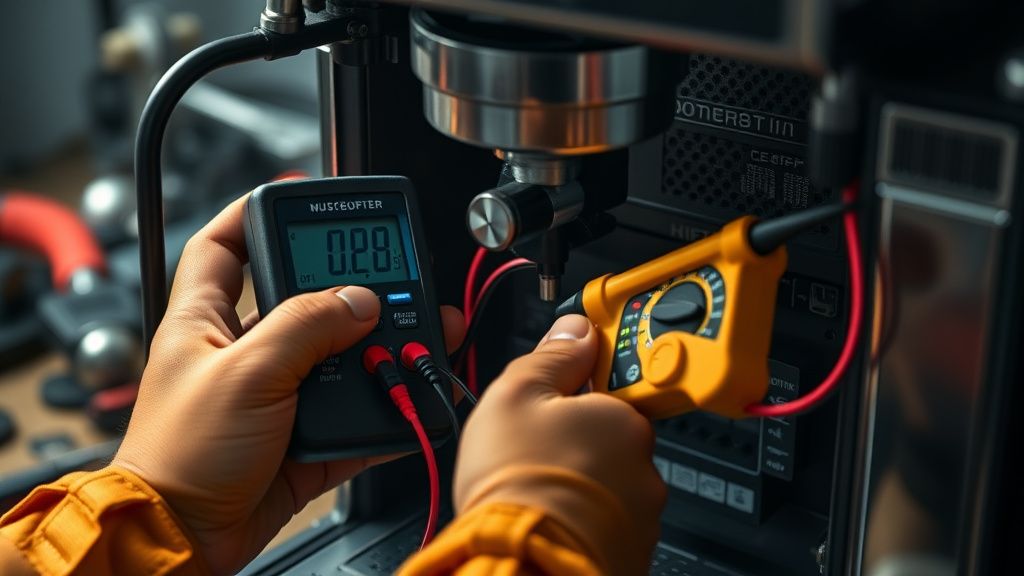
- The Component Audit: If you have a multimeter, set it to Hz (Frequency) mode and probe the sensor output pins while blowing lightly into the turbine. You should see a pulse frequency increase as you blow harder. If it stays at 0Hz, the sensor is dead, regardless of scale.
The Economic and Environmental Cost of "Repairability"
We live in an era where the "Right to Repair" is fighting against the reality of proprietary modules. DeLonghi sells the flow meter as a single unit, which is good, but the internal turbine is technically serviceable if you have the patience of a watchmaker. However, most service centers will simply refuse to "repair" the meter. They swap the whole unit. From their perspective, the labor cost to disassemble a plastic housing and clean an impeller is higher than the cost of a new $15 sensor. This leads to an excessive amount of e-waste.
The irony is that the most common failure point—the hall effect sensor—is a $0.50 electronic component. The rest of the plastic assembly is perfectly functional. This is a classic example of "component-level failure causing system-level replacement."
FAQ
Why does the flow meter error happen even after I descaled the machine?
Can I clean the flow meter with vinegar?
Why do the lights keep blinking even after I fixed the part?
Is the flow meter universal across all La Specialista models?
What is the biggest mistake DIYers make?
Final Thoughts: The Invisible Complexity
The DeLonghi La Specialista is a feat of consumer engineering—it puts high-end extraction within reach of the home user. But it operates on the edge of its own technical limits. Every time you pull a shot, you are relying on a complex dance between a pump, a turbine, and a microprocessor. When that dance stops, it’s not necessarily a sign of a "bad" machine; it’s a sign that the machine is struggling to handle the environment we put it in: hard water, daily use, and the constant stress of thermal expansion. Maintain the fluid path, respect the internal sensors, and understand that in the world of home coffee, you are always just one scale-build-up away from becoming a technician yourself.