
If your Chefman TurboFry has power but isn't producing heat, you are likely looking at a failure in the thermal fuse, the heating element assembly, or a degraded micro-switch, similar to F01 Error issues in Philips Airfryers. In 90% of cases, the unit’s internal safety circuit has tripped due to an accumulation of grease or a failing cooling fan, preventing the heating element from engaging to avoid a fire hazard.
The Anatomy of Failure: Why Your Appliance Stopped Cooking
After 15 years on the bench, I’ve learned that consumer appliances—especially budget-friendly air fryers like the Chefman TurboFry—are not built for longevity; they are built for a price point. When a customer brings me a unit that "doesn't get hot," they usually expect a blown heating element, and often face the question of whether their air fryer is worth repairing. While that happens, it’s rarely the first culprit.
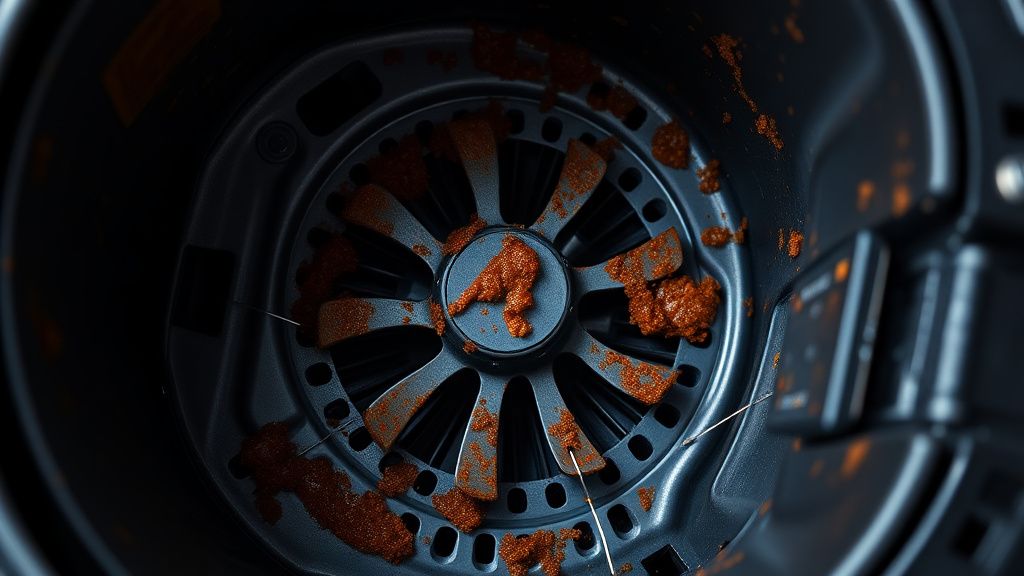
The real enemy is the internal thermal runaway prevention system. These machines are essentially high-wattage desk fans strapped to a heating coil inside a plastic housing. The accumulation of aerosolized cooking fats (the "grease fog" that coats the internals) eventually clogs the airflow or, worse, reaches the micro-switches that detect when the basket is inserted. If the switch doesn’t depress fully because of a sticky residue or a physical misalignment, the logic board refuses to complete the circuit to the heating coil.
Troubleshooting the Heating Element and Thermal Cut-Off Fuse
Before you start hunting for a multimeter, perform the "Physical Feedback Test." Does the basket feel like it’s clicking into place? If it feels mushy, your issue isn't the heater; it’s the interlock switch.
The thermal fuse is a one-time-use component. If the unit ever overheated—perhaps it was pushed against a wall, blocking the rear exhaust—the fuse would have blown. Once blown, it acts as an open circuit. You cannot "reset" a thermal fuse. If you find zero continuity across the fuse with a multimeter, it must be bypassed or replaced. Warning: Do not ever replace a fuse with a jumper wire. This is how house fires start. If the fuse blew, it did its job. You need to identify why it blew—usually a failing fan motor.
The Role of the Convection Fan
An air fryer is, by definition, a convection oven. If the fan motor at the top of the unit fails, the heat will be trapped in the upper chamber, triggering a safety cutoff. The unit’s internal thermostat will detect this, trigger a safety cutoff, and kill the power to the heating element.
- The Symptom: You hear the timer ticking or see the lights on, but there is no hum of the fan.
- The Reality: The fan is the most stressed component in the entire appliance. It deals with massive thermal expansion and contraction cycles.
Field Report: The "Hidden" Grease Problem
I once spent three hours debugging a Chefman unit that had intermittent heating. I checked the PCB, tested the heating element, and confirmed the wiring harnesses were solid. It turned out to be a microscopic layer of oil residue on the contact points of the basket detection switch. When the plastic housing heated up, the plastic expanded just enough to lose connection with the switch.
This is a recurring theme in consumer forums. If you head over to r/AirFryers or specific appliance repair Discords, you’ll see the "it works when it feels like it" complaint. It’s rarely a "broken" machine; it’s a machine that hasn't been cleaned in a way that respects its industrial limitations. Most users treat these like microwaves, but they should be treated like high-maintenance industrial convection fans.
Technical Analysis: PCB Logic vs. Mechanical Wear
Modern Chefman models (especially the digital interface versions) rely on a Triac or a Relay on the control board to switch the heavy AC load to the heating element. When you see a "No Heat" issue, don’t ignore the board.
- Solder Joint Failure: Lead-free solder is brittle. The constant vibration from the fan combined with thermal shock (cold to 400°F) causes micro-fractures in the solder joints of the relay.
- Relay Welding: Sometimes, the high current required by the heating coil welds the relay contacts shut or keeps them permanently open. If you tap the relay housing with a screwdriver handle and the heat kicks back on, you have a failing relay.
The "Right to Repair" Wall: Is it Worth Fixing?
There is a massive industry debate regarding the modularity of these appliances. Many of these units are snap-fit, meaning the plastic tabs are designed to break during disassembly. Companies like Chefman prioritize safety and cost-reduction, which leads to a "throw-away" architecture.
If you find that the heating element itself (the coiled nichrome wire) has snapped, stop. You cannot effectively repair a high-wattage nichrome element at home without specialized spot-welding equipment, and even then, it’s a fire risk. In these cases, the "repair" is actually a recycling event.
Addressing Common Complaints and Controversies
One of the most persistent frustrations I see in support threads is the "After the update" syndrome, even for non-smart devices. People claim their units stop heating "after a power surge" or "after a kitchen remodel." These are rarely software issues, but rather, power supply instability. Air fryers draw 1500W+ continuously. If your home’s electrical circuit has a loose neutral or is shared with a coffee maker, the voltage drop can cause the controller board to reset or refuse to engage the heating element to protect the sensitive electronics from brownouts.
Deep Dive: The Safety Switch Ecosystem
Why are the micro-switches so fragile? They are exposed to high humidity (from the food) and high heat. This creates the perfect storm for corrosion. If your air fryer doesn't heat up, check these points:
- The Basket Latch: Does it engage the sensor? Clean the contact point with 99% isopropyl alcohol.
- The Airflow Sensor: Some units have a tiny NTC thermistor near the air outlet. If this is caked in grease, it reads "overheat" and shuts off the element.
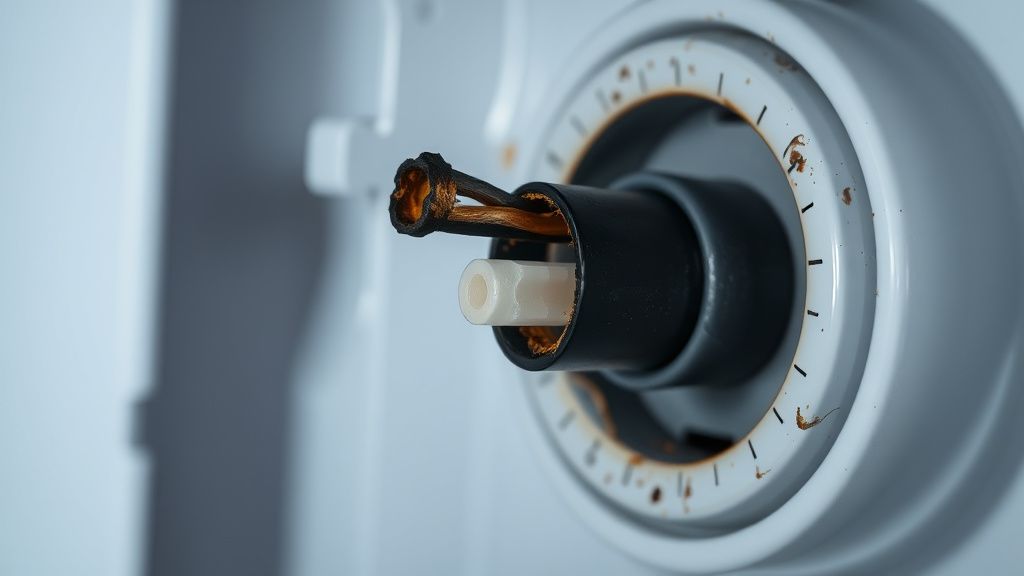
- Internal Wiring: Check the wire crimps. I have seen countless units where the factory crimp was loose, and the high-current draw caused the connector to arc and melt the plastic housing.
Step-by-Step Diagnostic Protocol
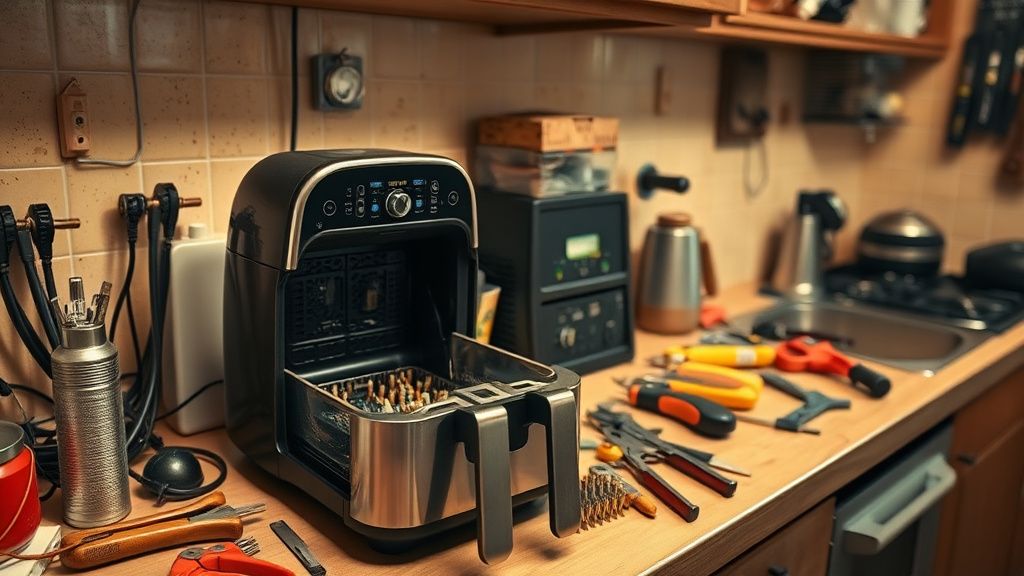
If you are determined to open your unit (and acknowledge that you are doing so at your own risk of shock or fire):
- Unplug the unit. Capacitors can hold a charge, though less common in these basic machines.
- Identify the Fasteners. They are usually hidden under the rubber feet of the base.
- Visual Inspection. Look for "magic smoke" stains—discoloration on the PCB or melted insulation on the wires.
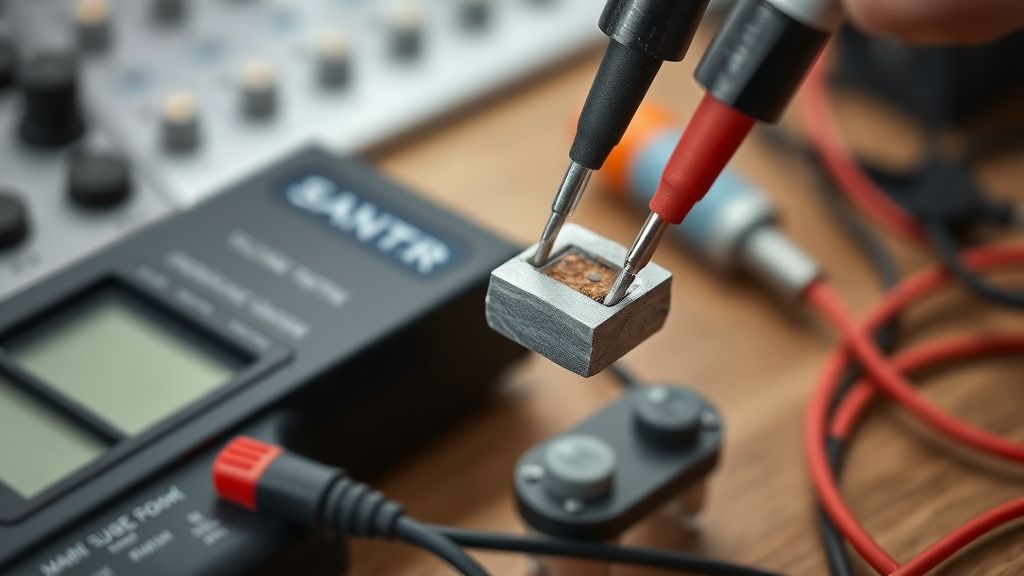
- Continuity Check. Test the element (should show low resistance, roughly 20-50 ohms), the thermal fuse (should show zero ohms/continuity), and the thermal switches (should be normally closed).
Why does my Chefman TurboFry have power, but the element won't glow?
This is almost always a safety interlock issue. The heating element is prevented from receiving power if the internal logic board does not receive a "Basket Inserted" signal or if the thermal cut-off fuse has tripped. Check the basket micro-switch for debris first.
Can I bypass the thermal fuse to see if it works?
Technically, yes, for a 5-second test. However, if you bypass it and the unit works, it confirms the fuse is blown. Do not use the machine in this state. It is a critical safety device that prevents your kitchen from catching fire if the fan fails. Replace it with the exact part number.
Why does my unit make a clicking noise but stay cold?
That clicking is likely the relay on the control board attempting to engage. If the relay clicks but the element remains cold, the relay contacts are likely burnt out or the heating element wire is broken.
Is it normal to smell burning plastic when I first use my air fryer?
A slight odor is common during the first two uses as factory oils burn off the element. If the smell is pungent and persists, you have grease buildup inside the unit that is charring. This is a fire hazard and requires a deep cleaning of the internal fan housing.
Why do some people say the "reset" button works?
Some larger models have a manual-reset thermal switch. If yours has one, it’s usually accessible through a small hole on the bottom. If it clicks back into place, you likely had an overheating event. Monitor it closely—if it pops again, your fan is dying.
Should I trust YouTube videos that show how to "hack" the heating element?
Treat those videos with extreme skepticism. Many suggest dangerous modifications like removing fuses or bypassing ground wires. An air fryer is a high-amperage heating device; if you compromise the electrical safety, you are risking a fire that your homeowner's insurance may not cover due to the modification.
Final Thoughts on Operational Reality
The air fryer is a triumph of convenience but a disaster of design longevity. When you buy one, you are essentially buying a consumable. If you keep the air intake clear, keep the grease trap (the basket) clean, and don't store it in a cabinet while it's still hot, you might get three or four years out of it. When it fails, don't look for a complex software bug—look for the simple, mechanical, and often greasy reality of a machine pushed to its limits.