
If your Gaggia Classic Pro is dead silent when you flick the steam switch, or if you’re getting a pathetic trickle instead of a forceful jet, don’t jump to the conclusion that the machine is "broken." It is, in reality, a victim of its own design: a 15-year-old architectural philosophy stuffed into a modern manufacturing budget. Most "no steam" failures aren't catastrophic; they are usually minor, crusty, and entirely predictable maintenance bottlenecks caused by scale buildup, dead solenoids, or simple airlocks.
The Anatomy of Failure: Why the GCP Steam System Stalls
The Gaggia Classic Pro (GCP) is an icon, sure, but look under the hood. It’s an entry-level prosumer machine that relies on a single aluminum boiler with a small thermal mass. When the machine enters steam mode, it effectively over-runs its PID or thermostat limits to push the temperature past the standard brewing point. If the system fails to deliver steam, you are looking at a classic "Triad of Neglect": scale-induced blockage in the solenoid valve, a failed heating element (rare, but fatal), or a seized pump.
Understanding the Solenoid Valve: The "Hidden" Gatekeeper
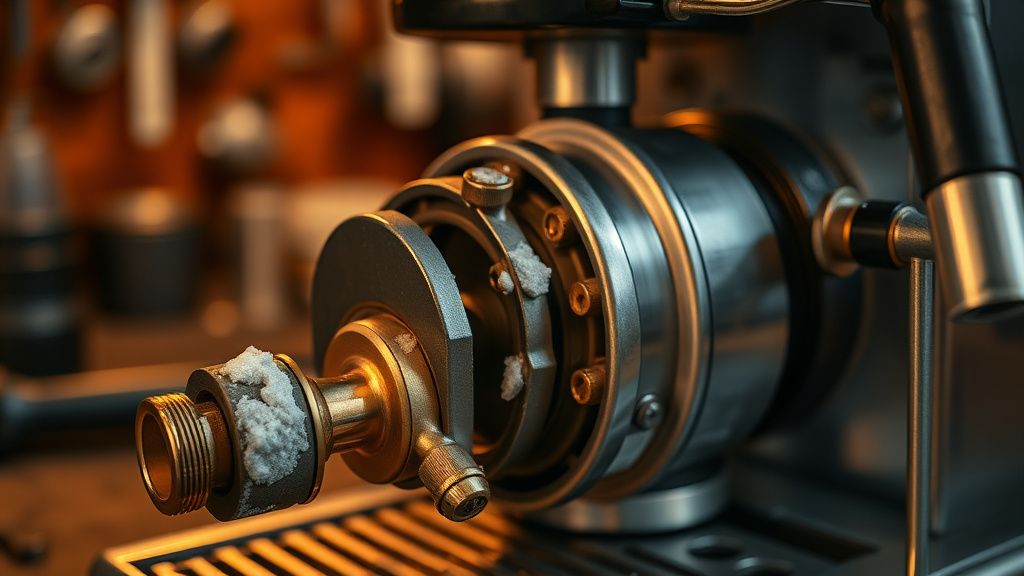
If the brew head works but the steam wand doesn't, or vice-versa, your primary suspect is the 3-way solenoid valve. This is a magnetic-actuated valve that redirects water flow. When it gets clogged with mineral deposits—thanks, unfiltered tap water—it fails to switch over.
- The Symptom: You turn the steam knob, the pump makes that familiar hum, but nothing comes out of the wand. Or, you get a "chattering" sound—the solenoid trying to fire but being physically blocked by sediment.
- The Reality: Replacing this is a rite of passage for every GCP owner. If you see a Reddit thread on r/espresso titled "Solenoid clicking but no flow," you’re seeing a user who didn't descale for eighteen months. The solenoid orifice is tiny; it doesn't take much calcium carbonate to turn your machine into a paperweight.
The Dreaded "Air Lock" Phenomenon
Sometimes, the machine isn't broken—it’s just choked by an air bubble. This often happens after a long period of inactivity or a descaling session where the lines were drained.
- The Fix: You need to "prime" the pump. Take the steam wand tip off. Place a cup under the wand. Open the steam knob. Turn the brew switch on. Wait. If the pump noise sounds "hollow," it’s air.
- The Workaround: If it still won't prime, use a large plastic syringe to force water into the steam wand tube while the machine is running. It sounds barbaric, but it forces the air out of the pump intake. This is a common "field hack" that you won't find in the official manual.
Thermal Fuse and Thermostat Failures: The Safety Paradox
The GCP features a thermal fuse that acts as a kamikaze pilot for your heating element. If the boiler overheats, the fuse blows to prevent a fire. Once it’s popped, the heating element is effectively disconnected.
- Engineering Compromise: Gaggia places these thermal components in a spot where they are prone to degradation from heat cycling. If your boiler is cold to the touch even after 20 minutes, your thermal fuse has likely done its job.
- The Controversy: Enthusiasts on forums like Home-Barista frequently debate the merits of "over-spec-ing" these fuses. Don't do it. If the fuse is blowing, your thermostat is likely stuck "on." Fixing the symptom without addressing the underlying thermostat behavior is how you end up with a melted boiler.
Maintenance Culture: Descaling vs. Backflushing
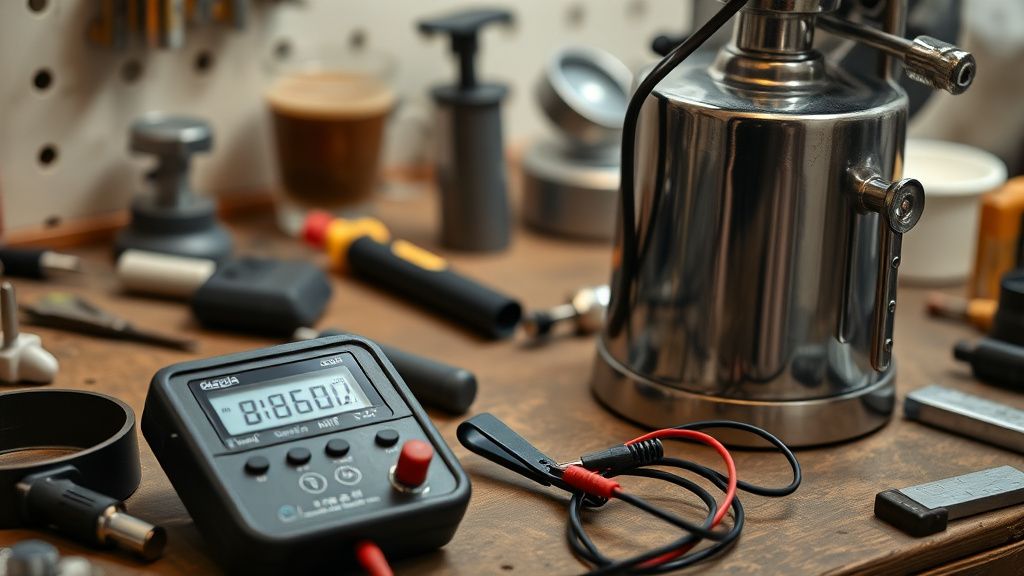
The biggest friction point in the GCP lifecycle is the difference between backflushing (removing coffee oils from the group head) and descaling (removing minerals from the boiler).
- The Failure Point: People backflush religiously with Cafiza but never descale. This creates a false sense of security. You can have a sparkling clean portafilter and a completely calcified heating coil.
- The Economic Reality: Gaggia’s official guidance often undersells the frequency of descaling because they don't want to admit that their aluminum boilers are highly reactive to hard water. If you live in an area with high-TDS water, your "steam failure" is a ticking clock.
Field Report: The "Scale-Crust" Catastrophe
I recently opened a GCP that had been used for three years in a London office. The user complained of "low steam pressure." When I tore down the boiler, the steam tube was reduced to a pin-prick aperture. It wasn't just scale; it was a hardened, fossilized layer of minerals that had been baked on by the high heat of the steam cycle.
- Lesson learned: Once the scale reaches this state, chemical descaling (citric acid or specialized solutions) won't work. You have to mechanically scrape the fittings. If you find yourself here, you’re past the "home repair" phase and into "restoration" territory.
Scaling vs. System Fragmentation
We see a lot of "Frankenstein" machines—GCPs modified with aftermarket PIDs (like the Auber kit) or brass shower plates. These mods are great for temperature stability, but they introduce new failure points. An Auber PID allows for higher steam temp control, but if the sensor isn't seated correctly against the boiler, the system can enter a runaway heating state, triggering the thermal safety shut-off.
- The "Hype" Problem: The online community pushes these mods as mandatory. If you are a novice, these mods significantly increase your troubleshooting complexity. When your steam wand stops working, is it a Gaggia hardware failure, or is it a bad sensor reading from your third-party PID?
Dealing with the Solenoid Valve: Step-by-Step Reality
If you decide to crack the case, prepare for a mess.
- Safety First: Unplug it. Wait 30 minutes. Water and electricity are not friends.
- Access: Remove the top tray and housing. The solenoid is usually hidden near the boiler.
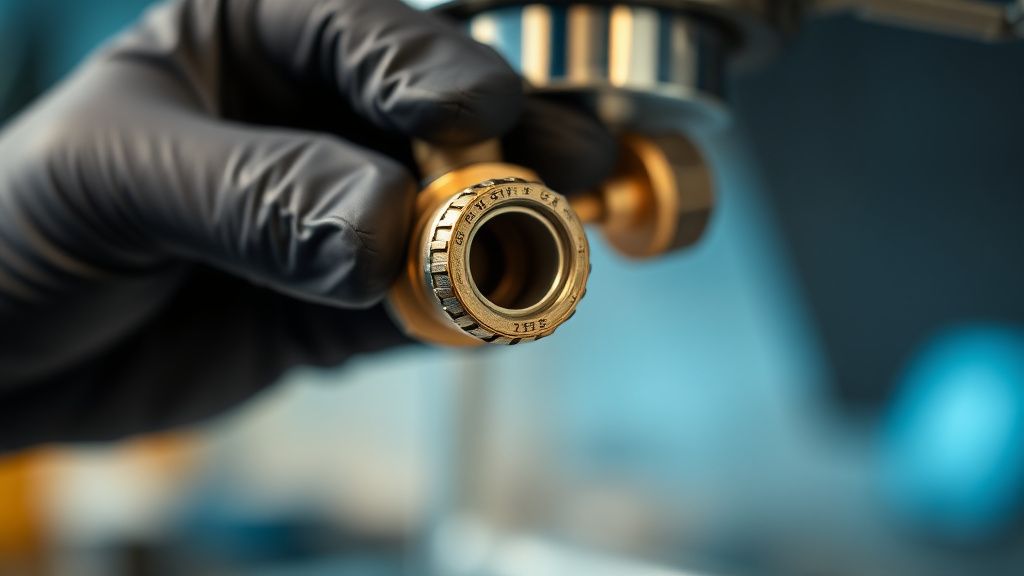
- Removal: You need a specific thin-profile wrench. If you use standard pliers, you will strip the brass fittings.
- Inspection: Once out, check the plunger. Does it move freely? Is the spring snapped? Most of the time, the rubber gasket at the base is hardened or cracked. You don't need a new valve; you need a $5 seal kit.
The "No Steam" Troubleshooting Matrix
| Symptom | Primary Suspect | Fix Difficulty |
|---|---|---|
| Pump noise, no steam | Air lock in pump | Easy (Prime with syringe) |
| Chattering noise | Clogged solenoid valve | Moderate (Requires disassembly) |
| Silent pump, no steam | Thermal fuse or switch failure | Moderate (Requires testing) |
| Weak steam, sputtering | Scale buildup in wand tip | Easy (Soak tip in descaler) |
Why Do Companies Hide These Maintenance Needs?
There’s a tension between "planned obsolescence" and "simple design." Gaggia wants a machine that lasts, but they operate in a market that demands a sub-$500 price point. The aluminum boiler is cheap, conductive, and easy to manufacture, but it demands strict water quality. The reality is that the consumer—the person who just wants a cappuccino—is rarely told that they are essentially managing a miniature chemical processing plant on their countertop.
The Community Backlash: When Things Go Wrong
Browse the r/gaggiaclassic subreddit, and you'll see a recurring theme: "I bought this because it was supposed to be a tank, but it broke in six months."
The frustration is palpable. Users feel betrayed by the "buy it for life" marketing. But in the world of espresso machines, "tank" just means "repairable." It doesn't mean "maintenance-free." The failure here is not in the hardware—it's in the communication. The industry sells the lifestyle of professional brewing but hides the labor of professional maintenance.
Counter-Criticism: Is the GCP Still Worth It?
Critics argue that the Gaggia Classic Pro is an outdated platform. They point to competitors like the Breville/Sage Barista Express or newer thermoblock machines that heat up faster and have fewer scaling issues.
- The Counter-Argument: Those machines are "black boxes." When a Breville thermal loop fails, you’re often looking at a motherboard replacement. The GCP is ugly under the hood, it’s prone to scale, and the steam power is mediocre at best. But I can fix a GCP with a screwdriver and a $5 part I can buy at any hardware store. That is the true value proposition that the specs sheets don't show.
Why does my steam wand drip water when I'm brewing?
This is usually a sign that your steam valve is not seating properly. Over time, the internal rubber seal inside the steam knob assembly compresses. You can either tighten the assembly or, more effectively, replace the O-ring inside the steam valve body. It’s a common wear-and-tear item.
Is descaling really necessary if I use "filtered" water?
"Filtered" is a vague term. If you’re using a Brita pitcher, you are removing chlorine, but you aren't significantly lowering the calcium and magnesium content that causes scale. If you want to avoid descaling, you need a remineralization system or distilled water with a specific additive package. Otherwise, assume you need to descale every 3–6 months.
My steam wand is weak even after cleaning. Is the pump dying?
Pumps in these machines are vibrating piston pumps (ULKA). They don't typically "slowly" die; they usually just stop working. If the steam is weak, it’s almost always a restriction—either a clogged steam tip, a buildup in the steam valve, or a partial blockage in the boiler outlet pipe.
Can I use vinegar to descale?
Don't. Vinegar is a weak acid and leaves a lingering smell/taste in the aluminum boiler that you will be tasting for weeks. Use a proper citric acid-based descaler. It’s cheap, odorless, and far more effective at breaking down the specific mineral bonds found in coffee scale.
How do I know if it's the solenoid valve or the pump?
Listen closely. If the machine is quiet when you turn on the steam, the pump is either dead or air-locked. If you hear a loud, rapid clicking or a vibrating "thud" sound, the pump is trying to push water, but the solenoid is physically blocking the path. The pump is fighting a wall.
Is the Gaggia Classic Pro repairable by a beginner?
It is the gold standard for "learning" appliance repair. The architecture is straightforward, the parts are standard, and the community documentation is extensive. As long as you have the patience to keep track of your screws and a basic set of hex keys, you can keep a GCP running for 20 years. Just accept that you will get your hands dirty.