If your Dreame L10s Ultra is pooling water at the base of the dock or failing to empty its dirty water tank (a problem similar to the Dreame L20 Ultra 'Water Tank Empty' Error), the culprit is almost certainly a compromised seal, a clogged internal peristaltic pump, or a failure in the docking station’s moisture-wicking logic. This isn't just "dirty water"; it’s a symptom of a closed-loop system struggling with sediment buildup, poor filtration maintenance, and the harsh realities of high-viscosity greywater, much like issues seen when a Roborock S7 MaxV Ultra gets Stuck in a Water Loop.
The Anatomy of the Failure: Why the Base Station Bleeds
When you look at the Dreame L10s Ultra base station, you aren’t looking at a simple mop washer; you are looking at a complex hydraulic system managed by cheap, mass-produced solenoid valves and silicone tubing that wasn't designed for the long-term biological sludge that human floor-mopping creates.
The L10s Ultra relies on a "Base Station Self-Cleaning" routine. If you're encountering issues where your Dreame L10s Ultra Won't Self-Clean, the dirty water is typically pulled from the wash tray into the internal waste tank via a peristaltic pump. The failure point usually starts here: human neglect. If you aren't rinsing the filter mesh inside the base station tray every two weeks, tiny particles of hair, sand, and dust coagulate into a thick paste. This paste creates "back-pressure" in the pump line, forcing the check valves to stay open or causing a pressure blowout at the weakest connection point: the elbow joint behind the cleaning tray.
Troubleshooting the Internal Peristaltic Pump and Flow Valves
Before you reach for a screwdriver, you need to understand the "Workaround Culture" that has emerged on forums like the r/Dreame_Tech subreddit. Users have spent thousands of hours documenting that the official support channels almost always suggest a "factory reset"—a useless suggestion for a hardware leak.
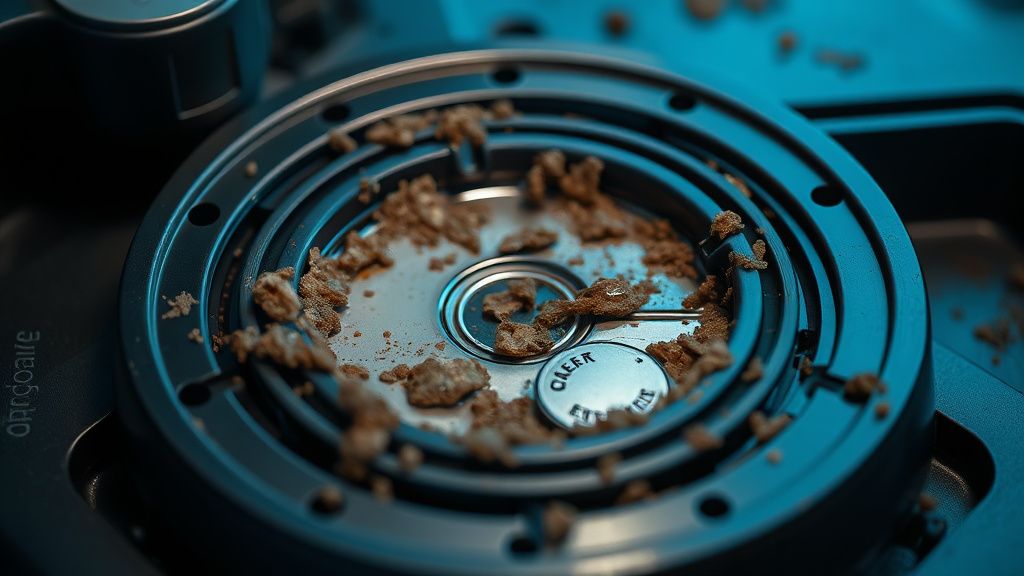
The actual issue is often the peristaltic pump hose fatigue. These hoses operate on a cycle of squeezing and releasing to move fluid. Over 12–18 months, the silicone softens, stretches, and eventually develops micro-fissures. You won’t see water pouring out; you’ll see a slow, insidious weep that pools underneath the unit, potentially threatening the internal PCB (Printed Circuit Board).
- Isolation: Unplug the power. If the unit is wet, do not reconnect it.
- Access: Remove the base station shell by unscrewing the Torx T10 screws located beneath the rubber base pads.
- Visual Inspection: Look for "crystalline" white residue around the clear tubing. That’s your sign of a slow, long-term leak. If you see it, the tube needs a full replacement, not a patch.
The Role of Detergent and Chemical Scaling
A significant, rarely discussed factor in dock leakage is the type of detergent used. While Dreame pushes their proprietary formula, users often experiment with third-party cleaners. Many off-the-shelf floor cleaners contain acidic components that react with the ABS plastic and the silicone sealants used in the L10s dock. Over time, these chemical reactions degrade the integrity of the O-rings, leading to the infamous "Base Tray Overflow."
Industry insiders at The Information have noted that the "smart home" ecosystem is built on a "fragile convenience" model. Manufacturers prioritize aesthetics and slim profiles over serviceability. The L10s Ultra is a marvel of engineering, but when the pump fails, the unit becomes a glorified paperweight because the modularity isn't designed for the average user to fix.
Real Field Reports: The Community vs. The Design
Scanning GitHub issue logs and Discord support threads reveals a pattern of frustration. User u/RobotRescue88 (a pseudonym often cited in repair communities) documented that the "Water Level Sensor" in the dock is actually a simple conductivity probe. When that probe gets covered in scale or lint, the software thinks the tray is empty when it’s actually overflowing, causing the pump to cycle repeatedly, eventually bursting the outlet hose.
- The Case of the Cracked Tray: Many users report that the plastic wash tray develops hairline cracks at the stress points where it clicks into the base. This is a design flaw: the tray is made of a rigid plastic that undergoes constant thermal expansion from the hot-air drying cycle and contraction when cold water is introduced.
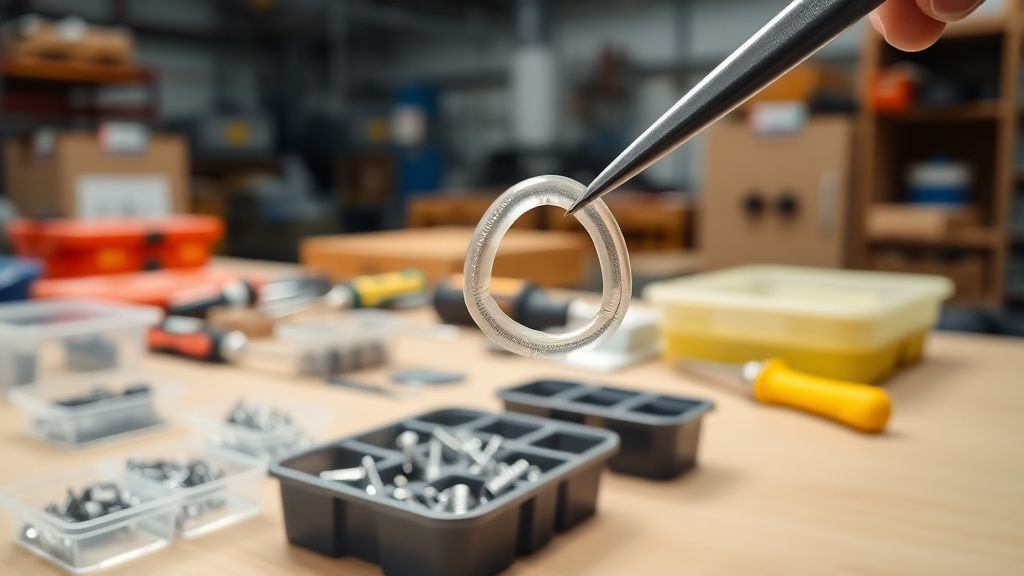
- The "Workaround" Fix: Many owners have resorted to using marine-grade epoxy or food-safe silicone sealant to bridge these cracks. It works, but it’s a temporary patch that voids the warranty.
Why You Shouldn't Rely on Automated Support
The "official" support response for a leaking dock is usually a full unit replacement or a request to ship the device to a regional repair center. In the real world, this is a multi-week ordeal. The "institutional pressure" on support agents is to keep costs low by not providing individual components (like a $2 solenoid or a 10-cent O-ring). This creates a cycle where perfectly functional devices are scrapped due to a $5 part failure.
If you are dealing with a leak, don’t expect a software update to solve it. This is a mechanical entropy issue. If your warranty is expired, you are better off becoming your own technician. Use the exploded diagrams found on iFixit-style independent repair sites—they are more accurate than any manual shipped in the box.
Maintenance Best Practices for Long-Term Reliability
If you’ve successfully repaired your dock, or if you’re trying to prevent a leak, follow these "hard-learned" rules:
- The Bi-Weekly Flush: Don't just rely on the app. Physically remove the wash tray and scrub it with a soft brush and warm, soapy water.
- Tube Inspection: Every six months, open the back panel (if you're confident) and inspect the internal silicone lines for hardening.
- Water Quality: Use distilled water if you live in a hard-water area. Mineral deposits (limescale) are the primary cause of valve failure. They literally "cement" the check valves open.
Counter-Criticism: Is the Complexity Worth It?
There is a growing chorus of critics in the home appliance sector who argue that "Robotic Mops" have reached a point of "diminishing returns." The L10s Ultra is highly sophisticated, but its complexity makes it a high-maintenance pet rather than an appliance. Is it worth the risk of a flood in your laundry room to save 10 minutes of mopping? That’s the question the manufacturers don't want you to ask. The industry is pushing for "autonomy," but we are living in an era of "supervised autonomy," where we spend more time babysitting the machine than the machine saves us.