If your Saeco Xelsis is leaking, the culprit is almost certainly a compromised O-ring on the brew group or a calcium-clogged discharge valve. Start by inspecting the brew unit’s piston seals and the internal O-ring on the connector. If these are dry or cracked, water will bypass the seal, pooling in the drip tray or leaking internally.
The Anatomy of Failure: Why High-End Super-Automatics Eventually Weep
After fifteen years of turning wrenches on machines like the Saeco Xelsis, I’ve learned one fundamental truth: there is no such thing as a "maintenance-free" super-automatic coffee machine, and learning how to fix common coffee machine errors is essential. The marketing team at Philips/Saeco wants you to believe that the Xelsis is a plug-and-play gateway to café-quality espresso. The operational reality, however, is that you are hosting a high-pressure hydraulic system inside a plastic housing, subject to constant thermal cycling.
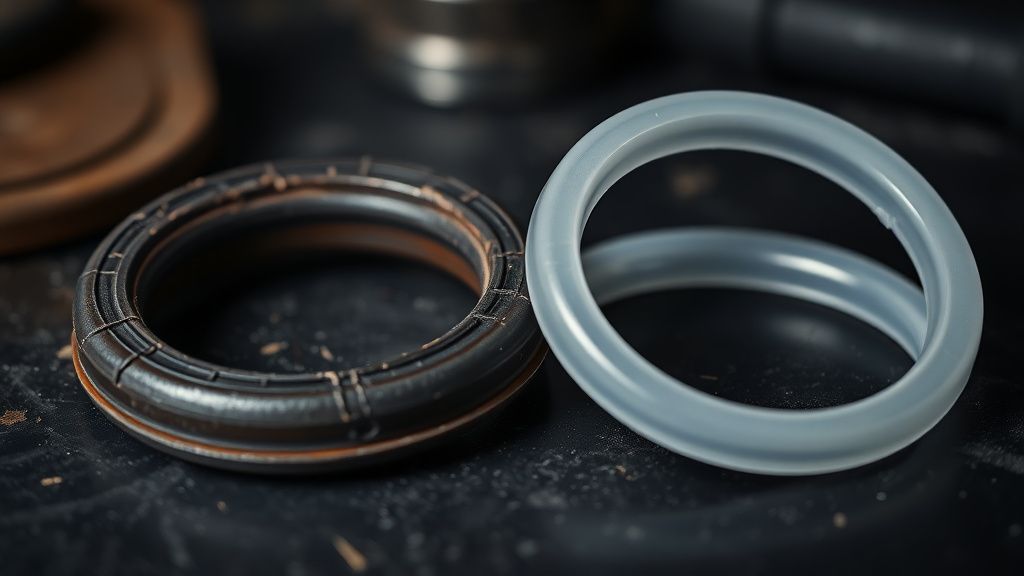
When a Xelsis leaks, it is rarely a catastrophic mechanical failure. It is almost always a slow-motion degradation of rubber and food-grade silicone. Every time your machine pulls a shot, the internal pump pushes water at roughly 9 to 15 bars of pressure. Over time, the O-rings (specifically the ones on the brew group piston and the interface between the boiler and the brew unit) harden. Once they lose their elasticity, they stop sealing against the brass or plastic housing. The water has to go somewhere, and since it’s under pressure, it finds the path of least resistance—usually straight onto your kitchen counter.
The Brew Group: The Heart of the Mess
The brew group (the removable infuser) is the most common point of failure. It is a masterpiece of engineering that is simultaneously the most neglected part of the machine, often facing issues similar to when a Breville Oracle Touch grinder is jammed. Most users treat it like an appliance component, but it’s actually a dynamic mechanical assembly that needs to be treated like a car engine.
- The Piston O-Ring: This is the ring that seals the coffee puck. If you see coffee grounds inside the machine cabinet or wet sludge in the drip tray that shouldn't be there, this ring is toast.
- The Crema Valve: Sometimes the leak isn't water—it’s back-pressure. If the crema valve is clogged with coffee oils, the pressure builds up until it forces the seal to separate.
- The Connector Interface: On the back of the brew group, there is a small O-ring that seals the connection to the machine's internal piping. If this is dry, it will leak every single time you pull a shot, often channeling water down the back of the machine.
Real Field Report: The "Ghost Leak" Phenomenon
I once dealt with a Xelsis owner who insisted his machine was leaking internally despite the seals looking "perfect." He’d spent three weeks on Discord forums following advice to "grease the group head," but the floor was still wet. When I tore the chassis down, I found that the solenoid valve manifold had developed a microscopic hairline fracture in the plastic housing. It wasn't the seal at all; it was a stress fracture from thermal expansion over three years of use. This is the "ghost leak"—where the user chases seals, but the real enemy is material fatigue in the harder plastics.
The Economics of Repair vs. Replacement
The industry wants you to replace these machines every three to four years. The "Cost of Ownership" for a high-end super-automatic is not just the sticker price; it is the $150 annual investment in descaling solutions, food-grade grease, and the inevitable O-ring kit. If you refuse to perform the maintenance, the machine will leak. It’s a design choice. The gaskets are designed to be sacrificial to protect the more expensive pump and boiler. If you ignore the leaks, you aren't just losing water; you’re risking a short circuit in the main logic board—a death sentence for a machine this expensive.
Addressing the Drip Tray and Internal Overflow Mechanisms
Many users report a "leaking" machine that is actually just an overflow issue. The Xelsis drip tray has a float sensor, but the physical tolerances are tight. If the machine isn't perfectly level, or if the tray is slightly warped from dishwasher heat (a common user error), the water bypasses the tray entirely.
Never put your drip tray or your brew unit in the dishwasher. The heat cycles degrade the seals and warp the plastic, leading to misalignments that make "fixing a leak" impossible because the parts no longer fit the chassis geometry correctly.
Technical Deep Dive: The Descaling Conflict
There is a massive debate in the forums (Hacker News and specialty coffee subreddits included) regarding descaling frequency. The manufacturer recommends it based on a "hard water" timer. However, I’ve seen machines that were "properly" descaled that had more internal corrosion than machines that used filtered water and were descaled less often.
Why? Because the descaling agents are acidic. If your O-rings are already brittle, the descaling acid can accelerate the degradation. My advice: Use a water softener filter religiously, and descale only when the machine forces you to. Don't use the generic "coffee machine cleaner" you found on Amazon; use the OEM Saeco solution or a citric-acid-based equivalent that is verified for these specific seals.
Systematic Troubleshooting: A Technician’s Workflow
If you are currently staring at a puddle under your Xelsis, follow this hierarchy of diagnostics:
- The "Dry Test": Dry the entire machine, inside and out. Remove the drip tray and place a dry paper towel under the brew group housing. Pull one shot.
- Inspect the Paper: If the towel is wet, the leak is at the brew group interface (check the O-rings).
- Check the Drip Tray Floor: If the machine is wet inside the cabinet but the paper towel is dry, you have an internal plumbing leak. This involves removing the side panels (T10 Torx usually required).
- The Valve Check: Look at the discharge valve. Is there a white, chalky residue? That’s calcium buildup. It’s eating your seal from the inside out.
Counter-Criticism: Why Modern Appliances Are "Disposable"
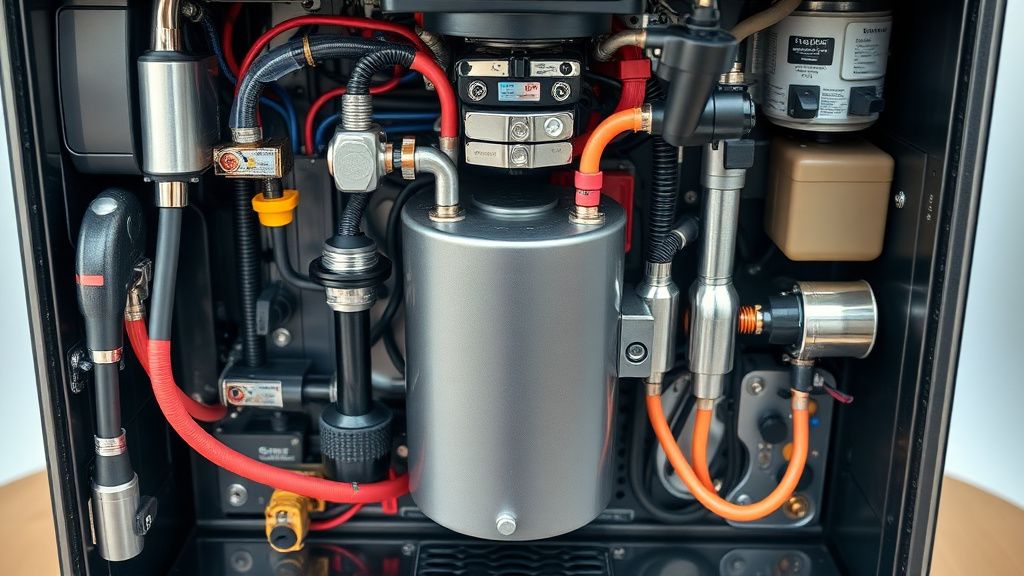
There is a legitimate frustration in the community regarding the Xelsis's "serviceability." You can find complaints on GitHub and Reddit where users have reverse-engineered the firmware to get more control, only to find that the hardware components (like the pump mounts) are fragile and designed for a single assembly run at the factory. When you take these machines apart, you notice that they are held together with a mixture of clips and screws. Some of these clips are one-time-use. The company makes it difficult to get into the heart of the machine because they want you to go to an authorized service center.
But let's be honest: their service centers are often just as frustrated as you are. They don't fix the machines; they swap the entire sub-assemblies. If the boiler leaks, they replace the boiler. It’s efficient for the company, but terrible for the environment and your wallet. By choosing to fix your own seals, you are entering a "workaround culture." You are essentially fighting a battle against planned obsolescence.
How do I know if the leak is from the Brew Group?
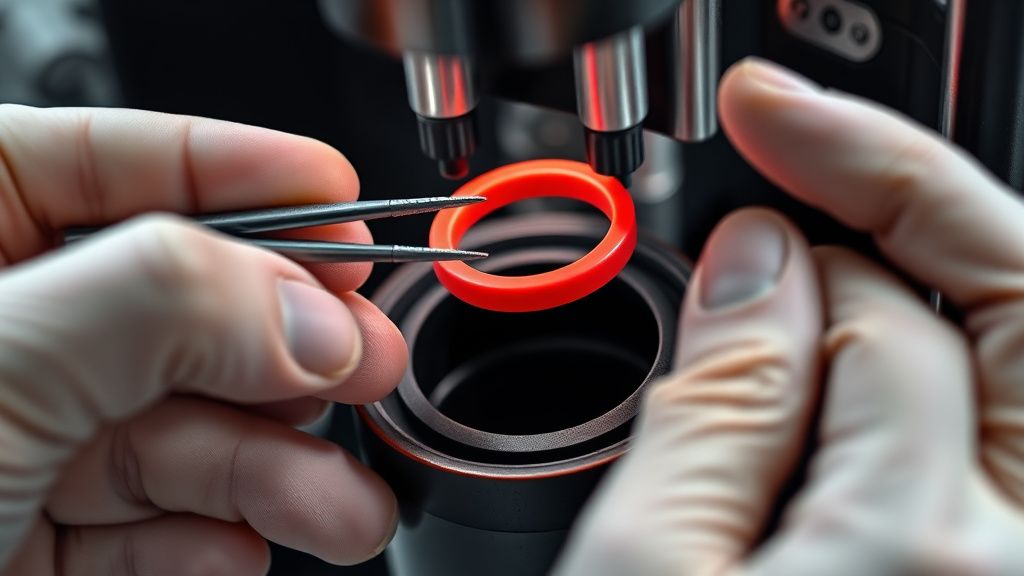
If water is pooling directly under the infuser or coffee grounds are appearing in the lower cavity of the machine, the brew group's O-rings are the primary suspects. Remove the infuser, inspect the two main O-rings on the piston, and check for any cracks in the plastic manifold.
Can I use any food-grade grease for the O-rings?
Use only dedicated food-grade silicone grease (usually Molykote 111 or similar). Petroleum-based lubricants will degrade the rubber seals, causing them to swell and fail much faster. Never use standard kitchen oil.
Why does my machine leak only when I use the milk carafe?
This usually points to a pressure issue in the steam/milk circuit rather than the coffee brewing circuit. If the steam valve is clogged, the pressure backs up into the internal lines, causing a joint to weep. Check the steam connector for mineral buildup.
Is a leak covered under the manufacturer's warranty?
Usually, no. Most manufacturers classify leaking as "lack of maintenance" or "user error" unless you can prove a manufacturing defect in the pump or boiler. They will point to the descaling history. Keep your records.
How often should I perform a deep clean?
At a minimum, every 500 cups. This involves removing the brew group, soaking it in warm water (never soap!), and re-lubricating the rails and the piston rings. Ignore the machine's "cleaning" reminders if you see signs of leakage earlier.
The Final Verdict on Maintenance
The Saeco Xelsis is a high-performance machine that behaves like an Italian sports car: it’s brilliant when it works, but it demands constant attention. If you are the type of person who just wants a cup of coffee without thinking about it, you are going to be frustrated. But if you accept that you are the primary mechanic for your machine, it will last you a decade. Keep your O-rings lubricated, use high-quality filtered water, and don't let the "leak" turn into a "flood." If you see a drop, don't ignore it. That drop is a signal that your machine is asking for a bit of respect.