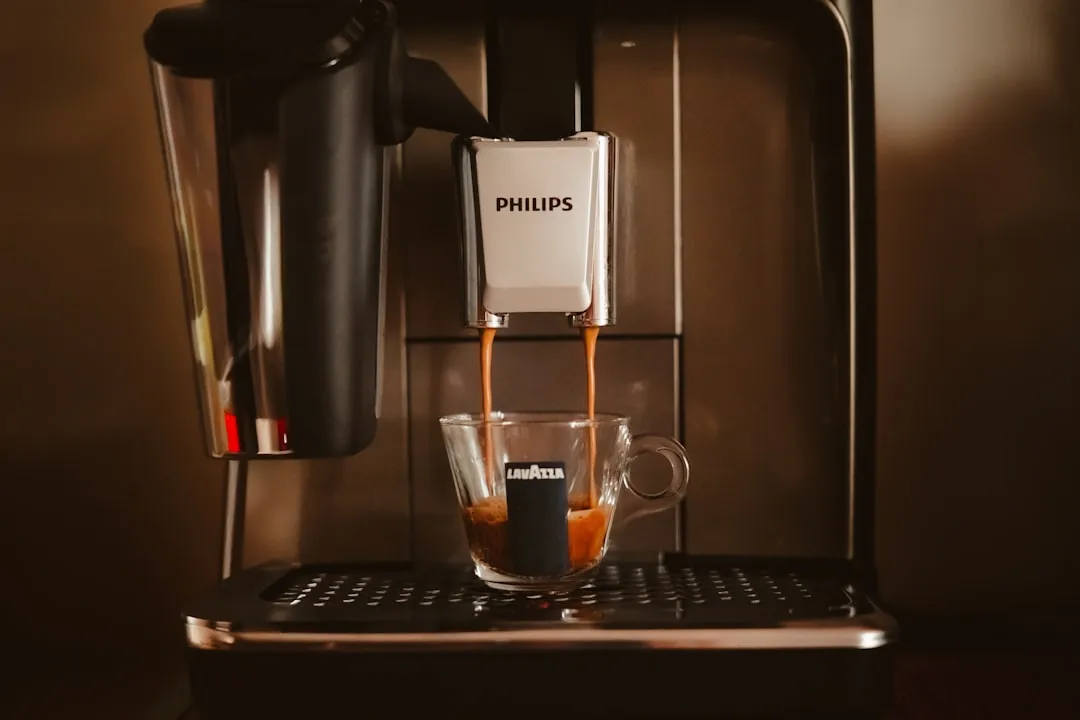
Quick Answer: The Philips 3200 LatteGo stops producing milk froth primarily due to a clogged or improperly seated LatteGo milk system, a worn spout seal, incorrect milk temperature, or a failed carafe sensor. Clean the LatteGo unit completely, reseat it firmly, verify the seal integrity, and run a descaling cycle before assuming component failure.
There's a particular kind of frustration reserved for Monday mornings when your Philips 3200 LatteGo pulls a perfect espresso shot but delivers nothing but cold, flat milk on top of it. No froth. No crema-laced foam. Just liquid disappointing you from inside a glass. I've seen this exact scenario play out hundreds of times on workbenches, in customer kitchens, and across every coffee appliance forum that exists. The machine hasn't catastrophically failed. But it's also not working. And the gap between those two states is where most users — and frankly, a lot of technicians who don't specialize in these units — get completely lost.
The Philips 3200 series with the LatteGo system was positioned as the "no-hassle" milk solution. Two-part design, no tubes, easy rinse. Philips marketed it hard. The reality in the field is somewhat messier. The LatteGo's elegance is also its vulnerability. Because it relies on a very specific venturi-style airflow path integrated directly into the carafe body, any partial blockage, misalignment, or seal degradation hits the frothing output disproportionately hard. You don't get "slightly less froth." You get nothing.
This guide is not a repackaged user manual. It's a diagnostic protocol built from actual teardown experience, cross-referenced with recurring failure patterns reported in communities like the Philips community forum, Reddit's r/espresso and r/coffeegeek threads, and Home-Barista.com repair discussions. We'll go deep on why this happens, what you can actually fix yourself, what requires parts, and where the machine's design creates chronic problems that no cleaning cycle will ever solve.
Understanding the LatteGo System Architecture: Why It Fails Differently Than Classic Frothers
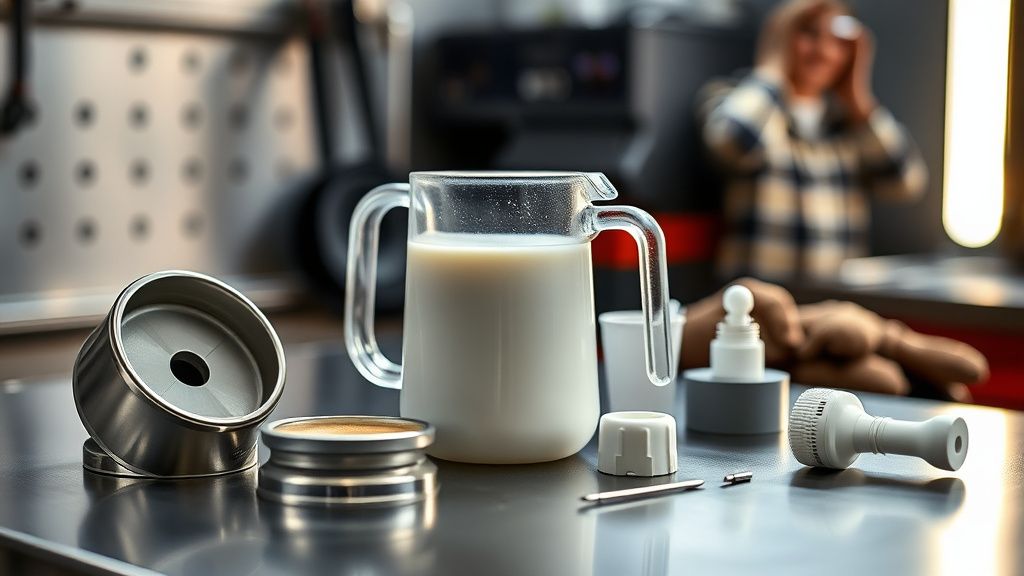
The LatteGo is not a traditional milk frother in any meaningful sense. It doesn't use a standalone steam wand. It doesn't use a separate frothing tube or a pump-driven separate circuit. Instead, it uses the machine's internal steam boiler pressure delivered through a small nozzle that inserts into the base of the carafe. Cold milk is drawn upward via venturi effect — low pressure created by steam flow pulls milk into the mixing chamber, where it gets aerated and heated simultaneously.
This is clever engineering. It's also engineering that creates at least four distinct failure modes that classic steam-wand systems don't have.
Failure Mode 1: Venturi Channel Blockage
The venturi channel inside the LatteGo carafe body is narrow. We're talking about passages in the 1–2mm range in some sections. Milk proteins — specifically casein — denature at heat and stick to surfaces. If you're not doing a full clean cycle after every use (and most users aren't, regardless of what Philips recommends), that buildup accumulates over weeks. The machine still pulls milk. The machine still generates steam. But the effective cross-section of the venturi path narrows, airflow dynamics degrade, and the froth collapses before it exits the spout.
Failure Mode 2: Spout Seal Degradation
The LatteGo connects to the machine via a silicon/rubber seal interface. This seal needs to maintain an airtight connection for the steam delivery to work correctly. After 12–18 months of regular use, this seal hardens. It doesn't catastrophically fail — it just stops sealing completely. A small leak here means steam pressure drops before it even reaches the carafe. The result: milk gets warm but doesn't froth properly. Users often mistake this for a steam boiler problem and go down entirely the wrong diagnostic path.
Failure Mode 3: Milk Temperature and Type Variables
The LatteGo is tuned for a fairly specific input: cold whole milk (around 3–8°C) with standard fat content. The moment you deviate — oat milk, almond milk, room-temperature dairy, skimmed milk — the froth behavior changes dramatically. Oat milk in particular has become a chronic complaint across community forums. The fat and protein content behaves differently under the venturi system, and what worked beautifully with dairy produces a thin, collapsing foam with plant-based alternatives. This isn't a malfunction. But users experience it as one, because the machine was sold as universally capable.
Failure Mode 4: Carafe Sensor or Steam Delivery Timing Issue
The 3200 has an NTC thermistor inside the machine that monitors steam delivery temperature. If this sensor drifts — and after years of scale buildup in the steam circuit it does — the machine may cut steam delivery slightly early. The milk isn't getting the full steam cycle. Froth initiation starts, but the cycle terminates before adequate aeration occurs. This is a firmware/hardware interaction problem that user-level cleaning won't fix.
Step-by-Step Diagnostic Protocol: Starting Where the Problem Actually Lives
Most repair guides jump straight to "clean your LatteGo." That's not wrong, but it skips the triage step. Before you start disassembling anything, you need to narrow down which failure mode you're dealing with.
Step 1: Auditory Diagnosis — Listen to the Machine During Milk Cycle
Run a milk froth cycle with the LatteGo seated and a cup underneath. Do not look at the output yet. Listen.
- Strong steam sound, weak or no milk output: Venturi blockage or spout seal issue. Steam is generating but milk isn't being drawn properly.
- Weak steam sound, milk barely heated: Steam circuit issue — possible scale in the steam boiler, early sensor cutoff, or steam nozzle obstruction inside the machine body.
- Normal sound, froth starts then collapses: Partial venturi blockage, wrong milk type, or milk temperature too warm going in.
- Gurgling or irregular steam sound: Scale buildup in steam delivery lines. Descale immediately before proceeding with anything else.
This auditory triage step alone eliminates probably 40% of wasted diagnostic time. The LatteGo system is not silent when it's working, and the deviations from normal are audible if you know what to listen for.
Step 2: Full LatteGo Disassembly and Cleaning
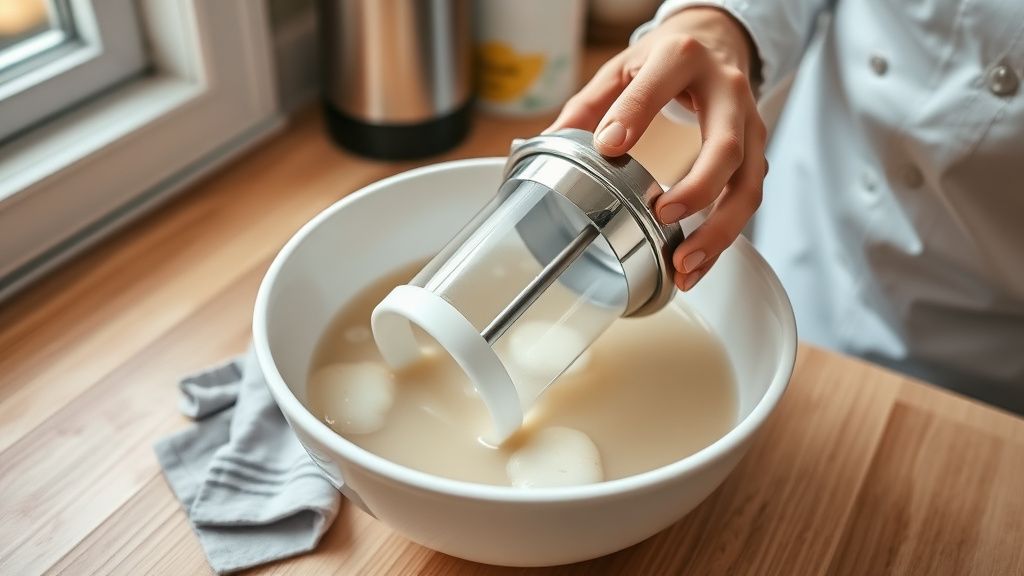
The LatteGo system has two main components that separate: the upper carafe body and the lower spout/connection assembly. Philips says you can rinse it under running water. That is the minimum. It is not sufficient for machines that have been in regular use for more than a few months.
What you actually need to do:
- Separate both components completely.
- Fill the lower spout section with a diluted citric acid solution (1 teaspoon citric acid powder in 200ml warm water) or a dedicated milk system cleaner like Durgol Swiss Milk or Philips CA6705 milk circuit cleaner.
- Use a small-diameter brush — a pipe cleaner, a baby bottle brush, or specifically a LatteGo cleaning brush if you have one — to manually agitate the venturi channel. You'll feel resistance where protein deposits have accumulated.
- Soak for 20–30 minutes minimum. Not two minutes. Twenty to thirty.
- Flush thoroughly with clean water. Run a clean-water froth cycle with the LatteGo before using milk again.
- Inspect the seal on the connection point. Press it with a fingernail. It should be soft and resilient. If it feels hard, brittle, or has visible cracks — replace it.
The replacement seal (often listed as the LatteGo spout seal or the CP0345 compatible seal depending on variant) costs almost nothing. It's consistently the most underdiagnosed fix for no-froth complaints in the 3200 series, and it gets overlooked because it doesn't look broken until you know what a healthy one feels like.
Step 3: Machine-Side Inspection — The Steam Nozzle Interface
The steam nozzle inside the machine where the LatteGo docks is a small stainless pin with a tiny exit orifice. Scale from hard water accumulates here. Even in machines that have been descaled on schedule, this specific orifice can partially clog because the descaling cycle's flow dynamics don't always fully flush this point.
Take a toothpick or a fine needle and very gently probe the exit orifice. Do not enlarge it. You're looking for whether there's a white or yellowish deposit that's partially blocking the hole. If there is, a targeted application of descaling solution — applied with a cotton swab and left for five minutes — usually loosens it.
Do not use metal tools aggressively here. This nozzle is precision-machined and if you damage the orifice diameter you've fundamentally altered the steam delivery pressure, and now you have a genuinely broken machine instead of a blocked one.
Step 4: Descaling the Machine Fully
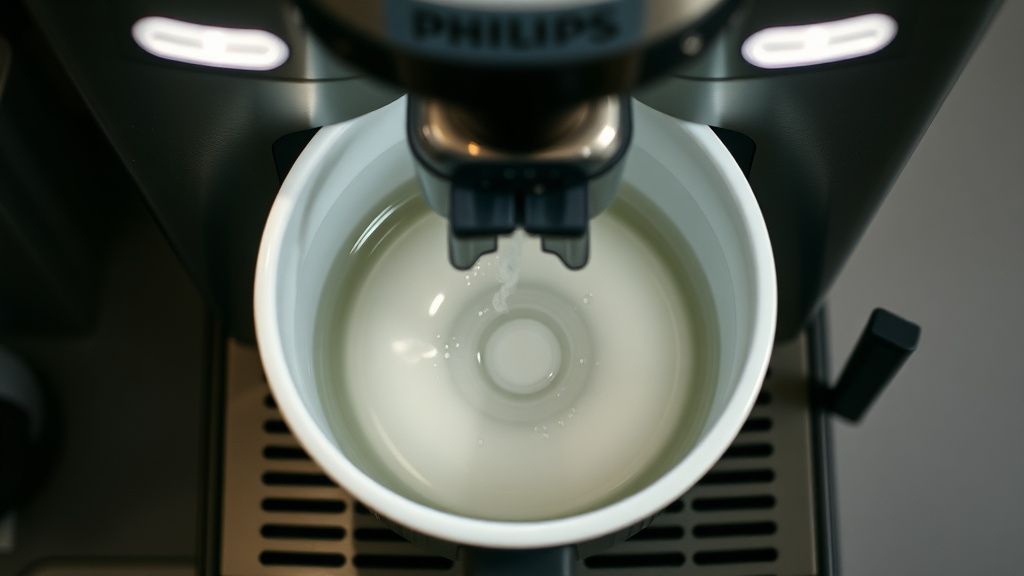
If your machine has been flagging the descale indicator light — or especially if you've been ignoring it — run a full descaling cycle before concluding anything about the frothing system. Scale in the steam boiler changes the thermal dynamics. The machine may still technically reach temperature, but the timing drifts. The NTC sensor reads a temperature value that's being influenced by scale-insulated surfaces, cuts the cycle slightly differently, and the steam delivery to the LatteGo becomes inconsistent.
Use Philips CA6700 descaler or any citric acid-based descaler in the correct dilution. Do not use vinegar — acetic acid attacks rubber seals at the concentrations needed to be effective against calcium scale, and the 3200's internal seal material does not love it. The community consensus on this, across dozens of threads including a detailed Home-Barista post from user "GrindController" that got substantial traction, is unambiguous: vinegar is a false economy in fully automated machines.
Run the full descale program. Not a partial one. Let it complete. Refill and run the rinse cycle twice.
Real Field Reports: What Actually Breaks in the Wild
This is where theory and practice diverge most noticeably. Based on patterns across repair logs, forum complaint threads, and personal workbench experience:
The six-month cliff: A significant cluster of complaints about LatteGo no-froth issues appears around the six-month mark. This aligns with the typical progression of protein deposit buildup in the venturi channel for average-frequency users (2–3 coffees per day) who are doing the quick-rinse cleaning but not the deep clean. The machine rinsed itself. The user assumed that was sufficient. It wasn't.
The oat milk explosion: Since roughly 2020, "LatteGo won't froth oat milk" has become one of the most searched support queries for this machine. Philips added some guidance in later firmware versions about adjusting frothing settings for plant-based milks, but the physical reality is that the venturi system optimized for dairy doesn't behave consistently with low-protein, high-carbohydrate alternatives. Some users on Reddit's r/espresso reported success with barista-edition oat milk (higher protein formulation) while standard oat milk produced near-zero foam.
The seal ghost problem: Multiple users across the Philips Community forum and Amazon review sections have described replacing the LatteGo carafe entirely only to find the froth problem returns within weeks — because the problem was never the carafe. It was the machine-side seal or the steam nozzle, which survived the carafe replacement unchanged. This is an expensive misdiagnosis. A replacement LatteGo unit runs €30–50 depending on region. The actual fix — a seal replacement or nozzle cleaning — is under €5 and 20 minutes of work.
The descaling-deferred disaster: Machines that have been running 18+ months without descaling often present with what looks like a frothing problem but is actually a steam system problem. The thermal behavior has shifted enough that the milk froth cycle, which depends on precise steam delivery timing, is no longer executing correctly. Full descaling usually resolves this. But if scale has been building long enough, it can also physically narrow the steam delivery passage in ways that one descale cycle doesn't fully clear. Technicians who deal with heavily scaled machines sometimes run two or three consecutive descale cycles with a rinse between each.
Counter-Criticism and Design Debate: The LatteGo's Inherent Tension
It would be dishonest not to acknowledge the ongoing debate about whether the LatteGo design makes the 3200 worse as a long-term ownership proposition than its traditional steam-wand competitors.
The counter-argument from the LatteGo side is legitimate: traditional steam wands have their own maintenance pathology. Milk backs up into the wand, the purge valve clogs, the steam tip blocks. Users who don't purge and wipe immediately after every use — which is most users — end up with crusted steam tips and backed-up milk protein inside the wand tube. The LatteGo's failure mode is different but not clearly worse in severity.
What is worse is the diagnostic opacity. With a steam wand, the problem is usually visible. The tip is blocked. You can see it, you can fix it. With the LatteGo's internal venturi channel, the blockage is hidden inside a plastic housing. Users have no visibility into whether it's clean or not. The machine provides no feedback signal about frothing system health. It just stops working one day, and the user has no idea whether the issue started a week ago or six months ago.
There's also a legitimate criticism about Philips's cleaning guidance being underspecified for real-world usage. The quick-rinse cycle instruction gives users a false sense of maintenance completeness. Nobody reads the deep-clean instruction in the manual, because the machine appears to clean itself. The gap between "appeared to clean itself" and "actually needs manual disassembly and chemical cleaning every few weeks" is where a substantial portion of no-froth complaints originate.
Some technicians argue Philips should have included a cleaning-required indicator specifically for the milk system, separate from the descaling indicator. That suggestion has appeared in community forums. As of this writing, no firmware update has implemented it.
Parts You Actually Need: What to Buy and What to Ignore
If cleaning and descaling haven't resolved the issue, here's the hardware reality:
LatteGo Spout Seal (High Priority) This is almost always worth replacing if the machine is 12+ months old and hasn't had the seal replaced. Compatible seals for the EP3200 LatteGo series are available from third-party suppliers. Confirm the exact part number against your carafe variant — there are slight differences between regional variants of the 3200 series.
LatteGo Carafe Body (Only if Physically Damaged) Cracked channel walls, broken connection clip, warped plastic from dishwasher exposure — these justify carafe replacement. Frothing performance alone, without visible physical damage, rarely needs a full carafe replacement if proper cleaning has been done.
NTC Thermistor (Advanced Repair) If you've descaled fully, cleaned thoroughly, replaced the seal, and the machine still doesn't froth correctly — and the auditory diagnosis suggests weak or inconsistent steam — the NTC thermistor in the steam circuit is the next candidate. This is a soldering job and not a user-accessible repair in any practical sense. It requires machine disassembly, locating the thermistor on the boiler assembly, desoldering, and replacing. If you're at this point and the machine is under warranty, use the warranty. If it's out of warranty and you're comfortable with electronics repair, replacement thermistors are inexpensive, but the teardown is non-trivial on the 3200's layout.
Steam Nozzle Assembly (Rare) Physical damage to the steam nozzle orifice from aggressive cleaning attempts. If someone has used a metal tool and enlarged or deformed the orifice, the steam delivery pressure profile is altered. This is not cleanable. The assembly requires replacement. This is an uncommon failure mode but it exists — usually as the result of a previous DIY repair attempt gone wrong.
The Workaround Culture Around LatteGo Failures
It's worth noting that an entire workaround ecosystem has grown