
If your Gaggia Anima steam wand is blocked, you are likely dealing with dried milk protein buildup within the panarello nozzle or the inner silicone tube. To fix it, detach the outer sleeve, soak it in a dedicated milk system cleaner, and clear the air-intake port with a thin pin. Never use metal needles that might scratch the internal flow-restrictor geometry.
The Mechanics of the Panarello and the Failure of Simplistic Cleaning
The Gaggia Anima—and its close siblings in the Saeco/Gaggia automated lineage—relies on a classic "Panarello" steam wand design. Unlike professional manual steam wands that rely on user technique to introduce air (stretching), the Panarello uses a venturi effect. It has a small hole near the top, just below the ball joint, where air is pulled into the steam stream.
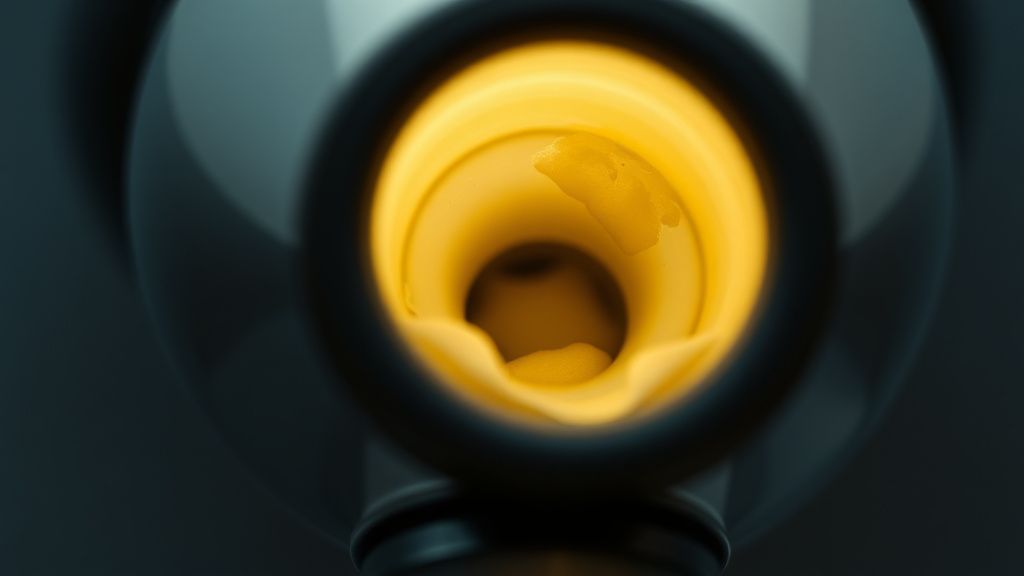
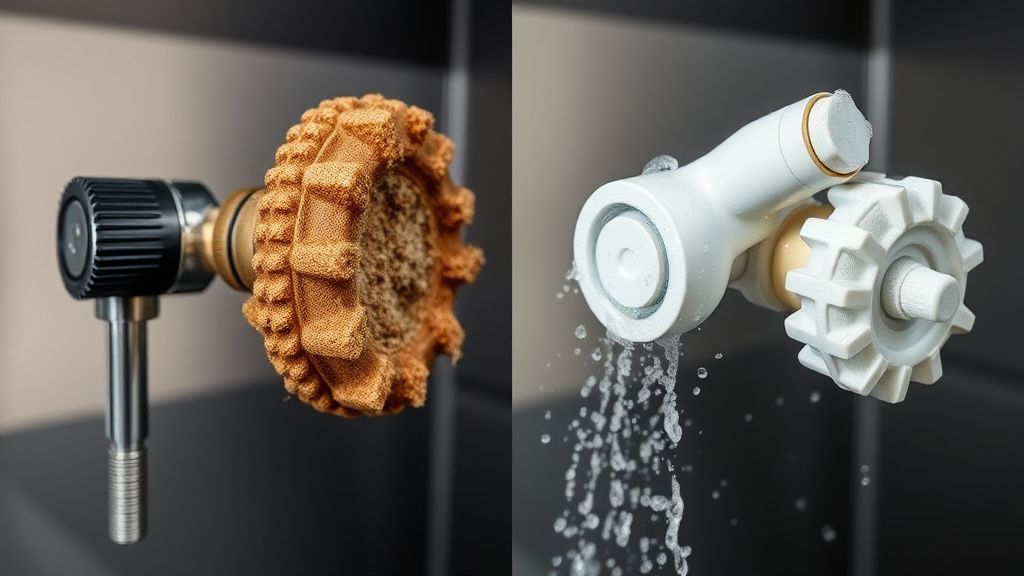
The problem? It is a biological disaster zone. If you stop the steam flow before the milk has been thoroughly purged from the internal nozzle, the vacuum effect draws milk back up into the wand. Once the temperature drops, the proteins cross-link, turning into a cement-like substance that blocks the air intake and narrows the steam orifice.
Analyzing the "Quick Fix" Fallacy: Why Your Steam Wand Still Hisses
Most users hop onto forums like CoffeeGeek or the r/espresso subreddit claiming, "I poked a needle in it, and it worked for a day." This is the classic "symptom management" trap. Poking a needle into the steam hole is a band-aid. If the blockage is further up—at the steam valve junction or inside the silicone inner sleeve—you are merely pushing the debris deeper into the flow-path.
In the professional repair world, we see a recurring failure pattern:
- User frustration: "The machine is broken, no steam."
- Aggressive intervention: Jamming a paperclip or stiff wire into the wand.
- Catastrophic damage: Scoring the interior of the plastic nozzle, which ruins the laminar flow of the steam, resulting in big, ugly bubbles instead of micro-foam.
The Operational Reality of Milk System Maintenance
Let’s talk about the Anima internals. The steam circuit is controlled by a solenoid valve. When you engage the steam function, the pump pushes water through the thermoblock (or boiler), which flashes it to steam, but issues can arise if your Gaggia Classic Pro isn't heating properly. If your internal limescale buildup is high, your steam pressure drops. Many users confuse a "low pressure" issue with a "blocked wand" issue; for instance, understanding why your Sage Barista Express has no pressure can help clarify the difference. If your machine is taking 45 seconds to get up to steam pressure and the steam coming out is "wet" (watery), the wand isn't the problem—your descale cycle is long overdue.
I’ve seen dozens of support tickets where the user blames the wand for a blockage that is actually a mineral-choked solenoid. If you remove the wand and the steam still comes out weakly from the base, stop poking the nozzle and look at your descaling history.
Real Field Report: The "After-Update" Syndrome
On a recent thread in a Gaggia-specific Discord server, a user reported that their Anima's steam performance plummeted immediately following a firmware-adjacent maintenance cycle. After investigating the logs and the physical machine, it became clear: the user had used a harsh, non-approved descaling agent. This caused a piece of calcified scale to break loose from the boiler and lodge itself firmly at the neck of the steam wand’s internal valve assembly.
This is a critical edge-case. When internal components flake, the steam wand acts as the final filter. You aren't just dealing with milk; you’re dealing with mineral sediment acting as a mechanical obstruction.
Professional Deconstruction: How to Properly Service the Wand
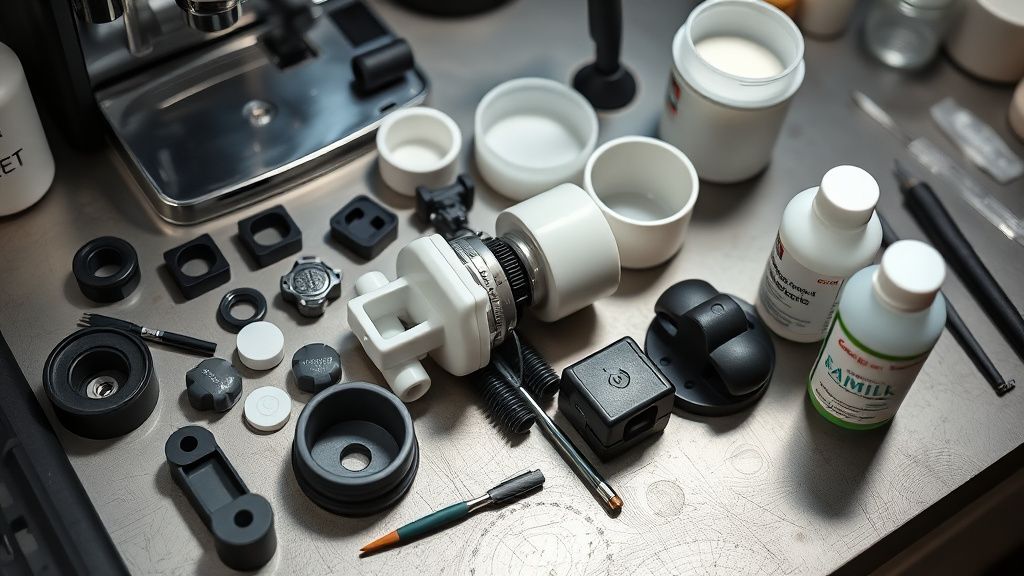
To address a blockage without damaging the machine, follow this procedural flow, which is standard across most mid-range automatic espresso machines:
- Step 1: The Chemical Soak. Never rely on hot water alone. Use an enzymatic milk system cleaner (like Cafiza or Gaggia Milk Circuit Cleaner). The enzymes are designed to break down the protein chains in milk. Place the wand tip in a solution and let it sit for 30 minutes.
- Step 2: The Outer Sleeve Removal. The Panarello has an outer plastic sleeve that twists and pulls off. Underneath, there is a second, smaller air-intake nozzle. Most people forget to clean this inner component. Use a soft-bristle brush, not a metal pick.
- Step 3: The Venturi Inspection. Locate the tiny hole on the side. If this is blocked, the steam won't draw air, and you’ll get hot milk rather than foam. Use a soft plastic bristle or a very fine, thin wooden toothpick. Avoid anything that can snap off inside.
- Step 4: The Backflush Logic. If you suspect the blockage is internal to the pipe leading to the boiler, remove the wand entirely. Many Gaggia models use a clip-on mechanism. Once removed, you can visually inspect if the steam exits the machine with force.
Counter-Criticism: Why the Panarello Design is Technically Flawed
There is a long-standing debate among home baristas: the Panarello nozzle is a "cheat" device that produces inferior foam compared to a manual steam wand. From a technical standpoint, the criticism is valid. The Panarello forces air into the milk in a turbulent, uncontrolled way, which prevents the production of true "micro-foam."
When you struggle to clean it, you aren't just struggling with maintenance; you're struggling with a design that favors convenience over texture. Many power users choose to bypass the Panarello entirely by modifying the wand with a custom silicone sleeve or a different steam tip, but this introduces its own risks: pressure imbalances that can trip the machine’s internal safety sensors. If you choose to modify, you are on your own—the factory warranty won't cover a burnt-out solenoid caused by increased backpressure.
Economics of Repair vs. Replacement
Why is it so hard to find a replacement wand? Gaggia and parent company Philips maintain a specific SKU ecosystem. You’ll find that the "Anima" wand is often cross-compatible with other models, but the availability of these parts in regional markets fluctuates based on inventory cycles. When you search for "Gaggia Anima Steam Wand Replacement," you are competing with global demand.
We see a "workaround culture" where users resort to 3D printing custom tips. I have seen, firsthand, a 3D-printed PLA tip melt under the heat of the steam, creating a toxic mess of molten plastic fused to the wand base. Stick to OEM parts or high-heat resistant silicone. The cost-saving of a DIY fix is negated by the time spent cleaning and the risk of ruining a $600 machine.
The Role of User Psychology in Maintenance Failures
There is a distinct psychological threshold in machine ownership: the "Maintenance Fatigue" point. When the machine is new, the user purges the wand after every use. Six months later, it’s "just a quick wipe." Two years later, the wand is a biological hazard.
This isn't just laziness; it’s a design failure. Machines like the Anima are marketed as "set and forget," which creates a false sense of security. The reality is that these are high-temperature, high-pressure hydraulic systems. They require a rigorous, almost ritualistic, cleaning cycle. If you aren't doing the weekly deep soak, you aren't "using" the machine; you’re merely borrowing it until the system fails.
Troubleshooting Flowchart for Persistent Blockages
| Symptom | Probable Cause | Action |
|---|---|---|
| No steam, pump sounds loud | Severe calcification | Descale the machine immediately |
| Steam exits, but no foam | Air intake hole is clogged | Use a non-metallic pick to clear |
| Steam exits, but "wet" | Internal solenoid failure | Check for error codes/contact service |
| Steam leaks at the connection | Worn O-ring | Replace the silicone O-rings on the wand |
Why does my steam wand stop producing foam even though steam is coming out?
The Panarello wand works on the Venturi principle, which requires a specific air-to-steam ratio. If the tiny air-intake hole (usually located near the top of the wand) is blocked by dried milk, the vacuum effect fails. You get steam, but no "stretch," resulting in flat, hot milk. Clean that specific port with a thin, soft tool.
Can I put the steam wand in the dishwasher?
Absolutely not. The high-heat cycles and abrasive detergents in dishwashers will degrade the food-grade plastic of the nozzle and potentially corrode the inner brass or stainless steel components. Always hand-wash using warm water and an approved enzymatic cleaner.
My machine is making a weird rattling noise when I steam. Is this related to the blockage?
A rattling noise is often indicative of air being trapped in the hydraulic circuit or the pump struggling against a blockage. If the steam wand is heavily clogged, the backpressure increases, causing the pump to cavitate. Clear the blockage, and if the noise persists, perform a thorough descaling to clear the entire circuit.
Is it safe to use white vinegar to clear the milk blockage?
Vinegar is a mild acid, which is fine for descaling boilers, but it is largely ineffective at breaking down stubborn, calcified milk proteins. For milk blockages, you need an enzymatic cleaner (like Cafiza) that chemically breaks down protein bonds. Vinegar will leave a lingering odor that will taint the taste of your future lattes.
How often should I perform a "deep clean" of the steam wand?
In a residential setting, if you steam milk daily, a deep soak—removing the wand and soaking it in cleaner—should occur at least once every two weeks. A simple "purge and wipe" with a damp cloth must occur immediately after every single steam session. No exceptions.
Why do some people suggest removing the inner silicone tube inside the wand?
Some users believe the inner tube restricts steam flow and creates more surface area for milk to stick. While removing it might change the steam texture, it is not recommended by the manufacturer. It is designed to act as a heat-shield and flow-straightener. Removing it can make the steam "sputter" and produce inconsistent foam.
What should I do if the plastic nozzle is cracked or damaged?
If the plastic is cracked, the air-intake geometry is compromised. You will never get decent foam again, and it becomes a breeding ground for bacteria. Do not try to repair it with glue, as the heat will cause the glue to off-gas. Purchase a replacement nozzle; they are relatively inexpensive compared to the health risks of using a damaged, contaminated wand.