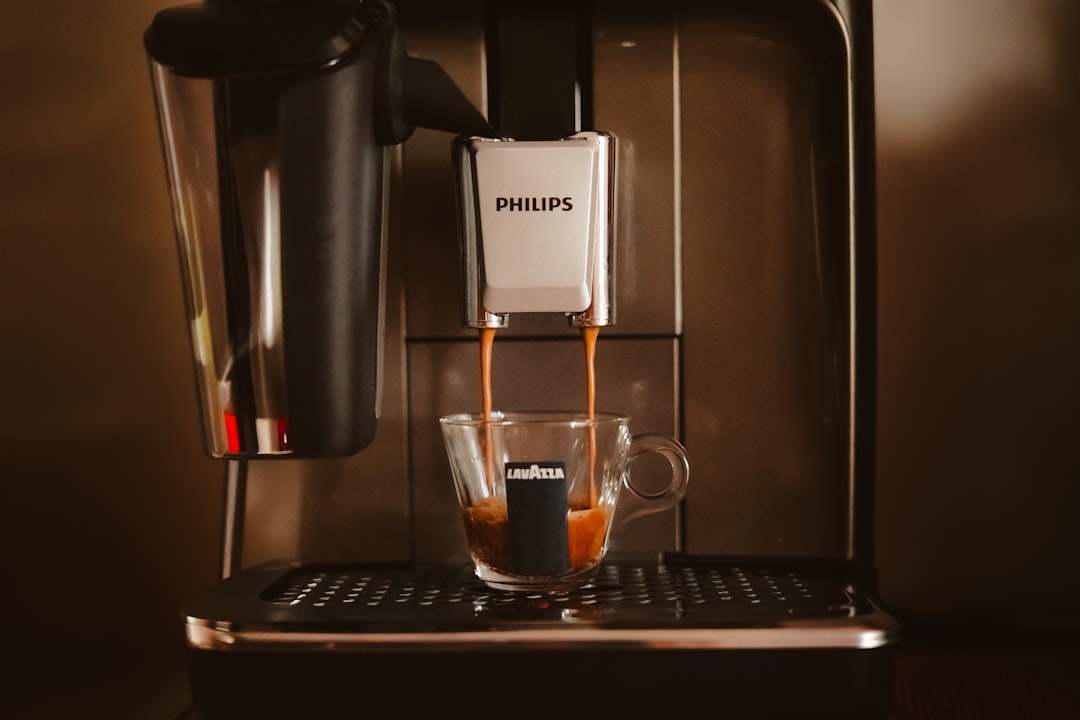
Quick Answer: The Philips 5400 LatteGo no water flow problem is almost always caused by a blocked brew group, calcified water circuit, failed flow meter, dry pump seals after storage, or a clogged pre-infusion chamber. Descale first. If that fails, remove and manually rinse the brew group, check the flow meter impeller, and inspect the pump inlet filter.
You pull the drip tray out, hit the button, the machine goes through its startup ritual — grinding sounds fine, pressure sounds like it's building — and then nothing comes out. Or you get a pathetic dribble that stops mid-shot. The display might throw a "Fill Water Tank" warning even though the tank is full. Or it just silently stalls.
Welcome to one of the most common field complaints on the Philips 5400 LatteGo platform, which can be as frustrating as troubleshooting a Shark IQ Robot Error 6: How to Fix Navigation and Sensor Issues. I've pulled apart probably thirty of these units over the years, and the no-water-flow failure pattern is weirdly consistent. It's almost never one catastrophic failure. It's almost always a cascade of small neglects that the machine's self-cleaning routines couldn't compensate for.
Let me walk you through how this system actually behaves, where it breaks, and how to fix it — starting from the cheapest interventions and working toward the stuff that requires a screwdriver.
How the Philips 5400 LatteGo Water Circuit Actually Works
Before you start pulling panels off, you need to understand the flow path. Water in this machine doesn't just go "tank → pump → coffee." There are at least six checkpoints where flow can die.
The actual path:
- Water tank → inlet filter screen
- Inlet filter → priming tube (passive siphon)
- Priming tube → ULKA vibratory pump (or gear pump variant, depending on batch)
- Pump → flow meter (magnetic impeller type)
- Flow meter → thermoblock heater assembly
- Thermoblock → brew group / LatteGo milk circuit depending on selection
The flow meter is the critical piece most people overlook, similar to how users often struggle when their Apple TV 4K Error 5013: Why Your Streaming Keeps Crashing and How to Fix It occurs. The machine's control board uses the flow meter's pulse signal to know how much water has been dispensed. If the impeller sticks — even partially — the board thinks no water is flowing and cuts the pump. This creates the maddening situation where the pump is running fine but the machine acts like it's bone dry.
The LatteGo milk system adds another branch: a separate water path runs through the steam circuit and the milk frother's mixing chamber, requiring maintenance not unlike ensuring your Dreame L10s Ultra Not Emptying? Try These Simple Fixes First. When people say "no water flow during milk prep," that's usually a steam circuit blockage or a LatteGo component with dried milk residue sealing the path.
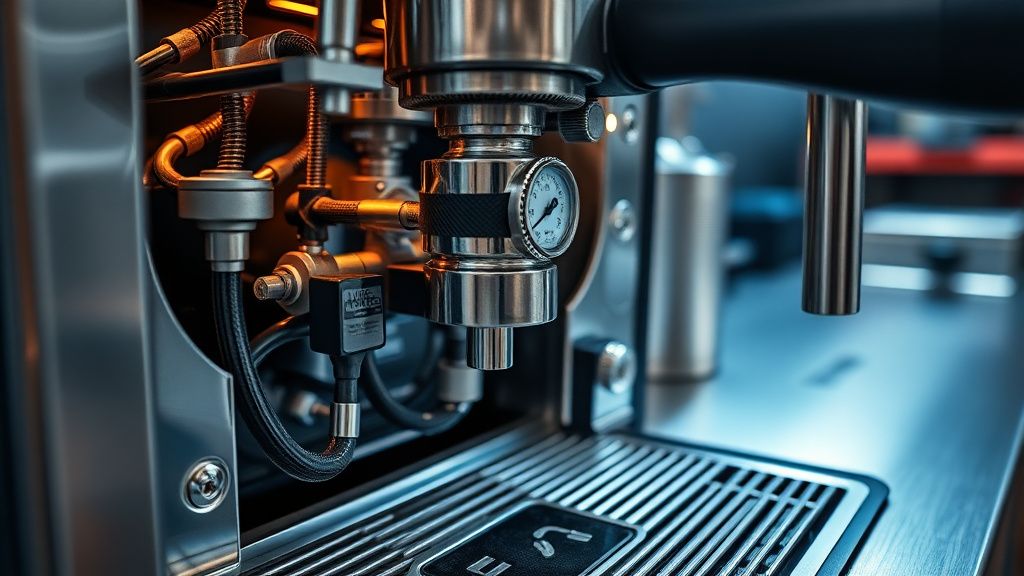
Symptom Mapping: What "No Water Flow" Actually Looks Like in the Field
Not all no-flow events are the same failure, much like how Why Your Wi-Fi 7 Mesh Nodes Keep Dropping (And How to Fix It) requires precise diagnosis. The symptom tells you where to look.
Pump runs, nothing comes out at the spout
Classic flow meter or thermoblock calcium blockage, which can be just as annoying as dealing with a persistent Is Your Eufy X10 Pro Omni Lost? How to Fix Persistent LiDAR Errors. Pump is doing its job; the water is being stopped downstream, much like a DeLonghi Magnifica S Grinder Not Working? How to Fix the Most Common Mechanical Failures issue. You'll sometimes hear pressure cycling — the pump builds pressure, hits resistance, the thermal cutout trips briefly, pressure releases. Repeat.
Machine shows "Fill Water Tank" but tank is full
The float sensor in the tank is fine; the real trigger for this warning is often the flow meter reading zero pulses. Machine interprets "no flow signal" as "no water available." This is a firmware logic shortcut that catches a lot of people off guard. They refill the tank three times and still get the error.
Water flows for five seconds then stops
Pre-infusion chamber partial blockage or a thermoblock that's partially scaled. The machine gets a little water through before the calcium bridge seals the path under pressure. Very common in hard-water regions with inconsistent descaling schedules.
LatteGo makes steam but no water for coffee
The steam circuit and brew circuit share the thermoblock but diverge after it. If coffee gets no water but steam works, your blockage is between the thermoblock outlet and the brew group — usually the pre-infusion needle valve or a cracked/swollen brew group O-ring causing a pressure bypass.
No flow at all, pump barely audible
Dry pump. If this machine sat unused for more than 3-4 weeks — especially after a descale cycle that wasn't followed by a rinse cycle — the ULKA pump's internal seals dry out and the pump can't prime. The pump runs but can't pull water. Different problem, different fix.
Field Reports: What Technicians and Users Actually See
Reddit's r/espresso and r/phillipscoffeemachines threads are a decent secondary data source here. The pattern is remarkably consistent.
One thread from late 2023 documents a user who ran three consecutive descale cycles — which is already a red flag, because that much descaling agent without adequate rinse cycles can leave residue that causes blockages rather than clearing them. The thermoblock came out with white crystalline deposits mixed with what looked like dried descaling agent precipitate. Not pure calcium; a chemical byproduct of over-descaling.
Another documented case: a 5400 purchased in a hard-water area (think German tap water, 20+ dH), never descaled once in 18 months of daily use. The flow meter impeller was essentially cemented in place with calcium. The pump was drawing current (audible hum, motor running) but the impeller wasn't spinning, so the control board was receiving zero pulses. Machine threw continuous water tank errors.
A third pattern shows up in machines that were stored after a move. Pump couldn't prime, classic dry seal situation. The workaround — forcing water into the pump inlet manually with a syringe before startup — is documented in at least four separate community threads and actually works most of the time.
The LatteGo-specific milk circuit failure is almost always a "user cleaned the LatteGo carafe but didn't run the cleaning cycle" situation. The mixing chamber has a narrow venturi-style throat. Dried milk proteins at 1-2mm thick are enough to completely block steam-assisted water flow through the milk path.
The Descale-First Protocol (And Why People Do It Wrong)
Before you open anything, you need to exhaust the software-addressable fixes.
Descaling the right way on the 5400 LatteGo:
The machine has a descale alert system, but the alert timing is based on water volume dispensed tracked by the flow meter — which is already broken in a no-flow scenario. So the machine might not even be showing a descale warning when it's badly scaled. Don't wait for the warning.
Use the Philips-recommended descaling solution (calcium-citric acid blend). Do not use white vinegar. I know half the internet recommends vinegar. Vinegar works for kettles. For a thermoblock with tight tolerances and rubber seals at multiple junction points, the acetic acid attacks the seals over repeated use. It also leaves a residue that affects taste for weeks.
- Fill tank with 1L water + one sachet Philips descaler
- Initiate descale mode via the menu (hold the button combination until the descale indicator lights up)
- Let the machine run the full automatic cycle — do not interrupt it
- Run TWO full tank rinse cycles after. Not one. Two.
The rinse cycle step is where most people fail. One rinse leaves descaling agent residue in the thermoblock. That residue can flake off and block the flow meter impeller on the next use — which is exactly the situation that creates the "descaled but now worse" complaint you see constantly in support threads.
Manual Brew Group Inspection and Cleaning
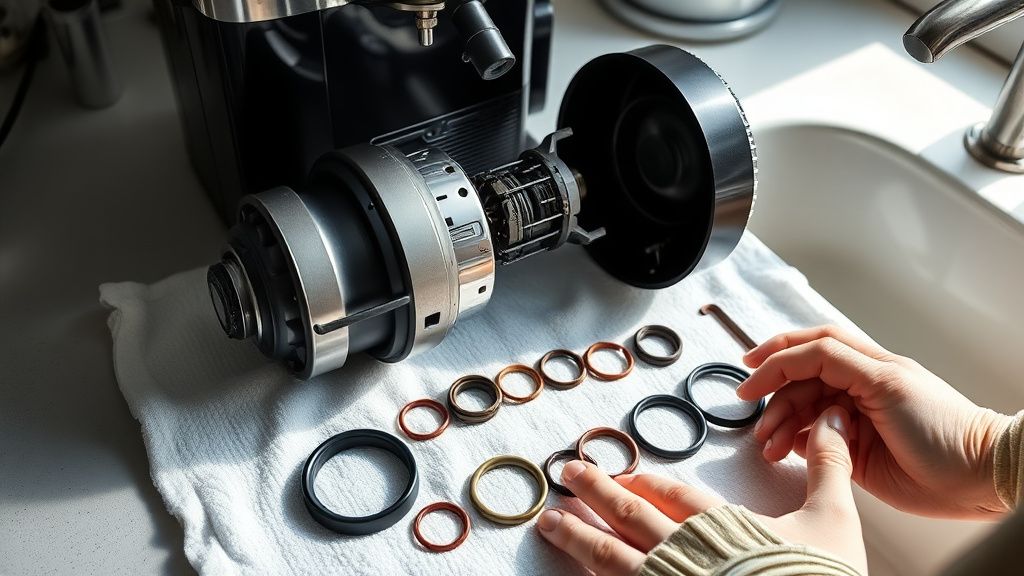
If descaling doesn't restore flow, the brew group comes out next. On the 5400, this is a tool-free operation — which is one genuine design win on this platform.
Removal:
- Open the service door (left side)
- Press the release button and pull the brew group straight out
- It should slide smoothly; if it's stiff, the machine probably needed cleaning three months ago
What you're looking for:
Inspect the mesh filter at the top of the brew group — this is the pre-infusion distributor. In hard water machines, this looks like a waffle iron made of calcium. You can see the channels blocked.
Soak the brew group in warm water (40-50°C, not boiling) for 20 minutes. No dish soap — it leaves residue that destroys the crema. Just water. Then use a soft brush (the Philips cleaning brush that came in the box, or any soft-bristled brush) on the mesh.
The O-rings: There are three O-rings on the standard 5400 brew group. After two years of regular use, they harden and stop creating adequate pressure seals. A hardened O-ring doesn't block flow — it creates a pressure bypass, which means water takes the path of least resistance around the coffee puck instead of through it. You get fast, weak, watery output that looks like flow but isn't extracting properly.
O-ring replacement kits for the 5400 brew group are widely available and cost almost nothing. If the machine is over 18 months old and hasn't had O-ring maintenance, replace them during this service regardless of their visible condition.
Flow Meter Access and the Impeller Problem
This is where it gets more technical. If the brew group is clean and descaling didn't fix it, the flow meter is the next target.
The flow meter on the 5400 is located in the water circuit between the pump output and the thermoblock inlet. It's a small plastic housing with a magnetic impeller inside. The control board reads pulse frequency from the spinning magnet to calculate water volume.
Accessing it without full disassembly:
You can reach the flow meter by removing the top panel and the water tank housing. There are four Torx T20 screws involved depending on production batch — Philips made minor internal layout changes at least twice during the 5400's production run, so the exact routing varies slightly.
The flow meter housing unclips from the circuit with a quarter-turn. Remove it, hold it over a sink, and gently shake it. A functional impeller should spin freely and you should hear/feel it moving. A calcified impeller will rattle, be stiff, or be completely immobile.
The fix: Soak the flow meter in warm water or very diluted descaling solution (weaker than the descale cycle — maybe 10% concentration) for 15-30 minutes. Then rinse under running water while blowing gently into the inlet port to force the impeller to spin. You're mechanically breaking the calcium bridge.
Do not use a toothpick or any rigid tool to force the impeller. The impeller magnet is brittle. If you crack it, you need a new flow meter, which means ordering parts and a more involved repair.
Pump Priming for Machines That Sat Idle
This is the scenario that gets underestimated. Dry pump seals are a real failure mode.
ULKA vibratory pumps — the type used in most consumer espresso machines including this Philips platform — have internal rubber diaphragm seals that need to stay wet to maintain suction. If the machine ran a descale cycle and then sat in a cabinet for a month, those seals can dry and contract slightly. When you start the machine, the pump runs but can't pull water because the seal isn't creating adequate suction against a dry chamber.
The manual prime fix:
- Remove the water tank
- Locate the pump inlet tube — it runs from the tank seat down to the pump body
- Using a small syringe (5-10ml, any pharmacy syringe works), inject 10-15ml of water directly into the pump inlet tube
- Reinstall the tank, start the machine immediately
The injected water gives the pump enough hydraulic contact to re-seat the seals and begin pulling normally. This works most of the time in dry-pump scenarios. If it doesn't work on the first attempt, try twice more before escalating to pump replacement.
The LatteGo Milk Circuit Specific Failures
The LatteGo system — Philips's signature milk frother that clips onto the front of the machine — has its own flow path that's completely separate from the coffee brew circuit in terms of cleaning requirements.
The mixing chamber is a venturi design: steam from the boiler draws milk up through the carafe tube and mixes it with water at a T-junction to create froth. When this "no flow" manifests specifically during milk preparation, you're dealing with a different beast.
Common LatteGo milk circuit failures:
Mixing chamber throat blocked: Dried milk proteins are incredibly adhesive. A single missed cleaning cycle — even one — can leave a film that partially restricts the throat. Two or three missed cycles can seal it entirely.
Steam valve calcification: The steam path has its own scale buildup problem. If the coffee brew path was descaled but the steam path was skipped (possible if the user always aborted descale cycles early), the steam valve can be partially open, reducing the pressure differential that drives milk uptake.
LatteGo carafe float stuck: There's a small float mechanism in the LatteGo carafe that's a safety interlock — it prevents the machine from trying to draw milk when the carafe is empty. If this float jams in the "down" position due to milk residue, the machine reads the carafe as empty and won't engage the milk circuit.
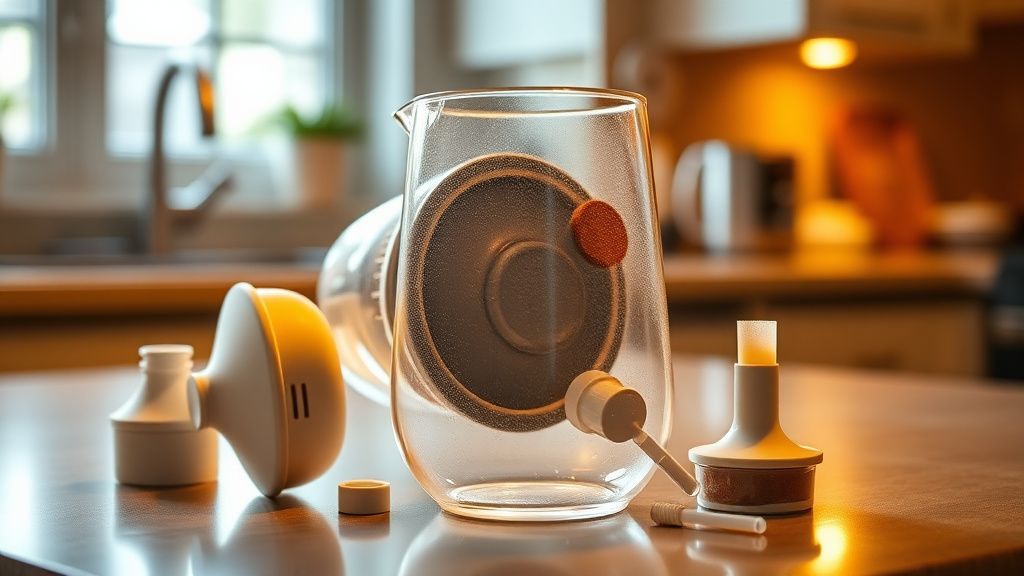
Cleaning the LatteGo system properly:
Philips designed the LatteGo to be dishwasher safe for the carafe and most components. What they don't emphasize strongly enough: the mixing chamber throat should be soaked in warm water after every milk preparation session, not just daily. The proteins denature and bond to the plastic within hours at room temperature.
Use the dedicated LatteGo cleaning program (accessible via the machine menu) every time you do a descale. It runs a hot water flush through the steam and milk circuit specifically.
When the Problem Is Actually Electrical or Sensor-Side
You've done everything above and it's still not working. Now we're getting into territory where the repair decision tree branches toward "professional service or replace."
Control board NTC thermistor failure: The thermoblock has a temperature sensor. If the sensor reads incorrectly high (common failure mode after calcium bridges near the sensor housing), the control board may be refusing to run the pump because it thinks the thermoblock is overheating. The machine won't tell you this explicitly — it just won't flow water.
Pump capacitor failure: The ULKA pump on AC versions of this machine uses a start capacitor. Failed capacitors produce a hum with no actual pumping. The pump sounds like it's running but has no output pressure. Capacitor replacement is cheap; accessing it is not trivial on this platform.
Flow meter hall-effect sensor failure: The magnetic sensor that reads the impeller can fail independently of the impeller itself. If the impeller spins freely but the control board never receives a pulse signal, the machine behaves exactly like a physical blockage. Diagnosing this requires either a multimeter on the sensor output or swapping the flow meter unit entirely.
Counter-Criticism: Where the Repair Community Gets This Wrong
There's a popular YouTube repair video circulating that recommends heating the thermoblock with a heat gun to "loosen calcium deposits." Do not do this. The thermoblock on the 5400 has multiple silicone seals and a polyphenylene sulfide (PPS) plastic housing around the heating element. Direct heat gun exposure deforms these components. The advice might work on older commercial-style thermoblocks. It's dangerous on consumer units.
There's also a community-generated workaround suggesting you run neat vodka or grain alcohol through the system to clean the flow meter. The theory is that alcohol dissolves mineral salts. The reality: alcohol at those concentrations attacks the pump's internal diaphragm seals and the O-rings in the brew group. You'll solve one problem and create two more.
The "just keep running descale cycles" approach — the over-descaling problem mentioned in the field reports — is also genuinely counterproductive. More descale does not equal cleaner machine beyond a certain point. The chemical action plateaus. Excess descaling agent leaves citrate precipitation in hard-water environments and stresses rubber components. One correct descale cycle is worth more than three incorrect ones.
The Harder Conversation: Repairability vs. Replacement
The Philips 5400 LatteGo retails in the €700-900 range depending on region and retailer. It's a significant appliance investment. But