
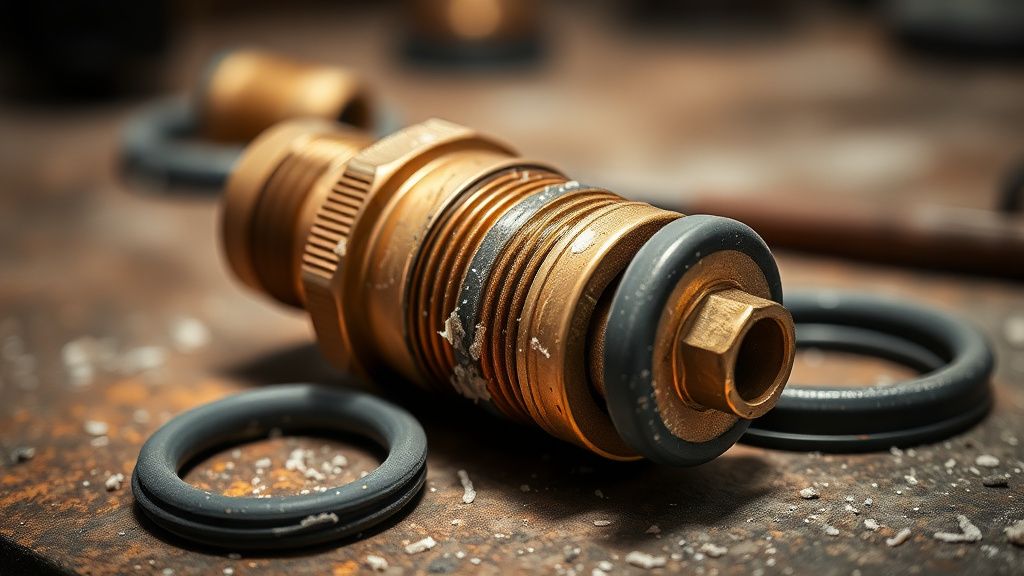
If your KitchenAid Pro Line espresso machine is leaking from the steam wand, or perhaps not steaming correctly, the culprit is almost certainly a degraded EPDM or silicone O-ring within the steam valve assembly. A leaking wand isn't just an annoyance; it’s a symptom of internal pressure loss, mineral buildup (scale), and material fatigue, similar to issues seen in other high-end models where a leaking espresso machine often points to seal degradation. You need to replace the internal seals, descale the valve body, and check the Teflon seat for pitting.
The Anatomy of Failure: Why Pro Line Wands Leak
You aren’t just fixing a "leak." You are fighting fifteen years of thermal cycling. The KitchenAid Pro Line series—essentially a rebadged, high-end Italian commercial-lite machine—uses a brass or nickel-plated valve assembly that relies on tight tolerances. When that steam wand drips, it means the secondary seal behind the valve stem has failed, or the primary seat has been compromised by micro-calcification.
From a technician’s perspective, the Pro Line is a "double-edged sword." It is over-engineered for home use, which makes it serviceable, but it is also prone to user-induced stress. Most users yank the wand, put lateral pressure on it while frothing, or—the classic sin—over-tighten the steam knob to stop a leak that was caused by an O-ring in the first place.
Diagnostic Protocol: Is It a Gasket or a Seat?
Before you order a $5 generic seal kit from eBay, perform a real-world triage. If the leak is constant, the O-ring is likely toast. If the leak occurs only when the machine reaches full brew pressure or when you engage the steam function, the issue is more likely the Teflon seat (the "tip" of the valve plunger).
- Step 1: The Pressure Test. With the machine off and cold, remove the steam wand tip. If water drips, your solenoid or boiler fill valve might be leaking into the steam circuit. That’s a different problem entirely.
- Step 2: The Physical Check. If the steam wand feels "crunchy" when you turn the knob, you have calcium buildup. Do not use vinegar; it’s too weak for these hardened deposits. You need a professional-grade descaler (sulfamic acid based), especially if you're dealing with persistent calc-clean cycles on other coffee machines.
Operational Reality: The Hidden Cost of "Workarounds"
I see this on Reddit’s /r/espresso all the time. People wrap the steam wand threads in Teflon plumbing tape. Stop it. Plumbing tape is meant for static, cold-water pipe joints. It has no business near a steam wand that hits 120°C+. The adhesive will break down, gum up your steam valve, and eventually enter your boiler, where it can foul your solenoid valves.
The community loves "hacks," but when it comes to the Pro Line’s proprietary steam assembly, hacks usually lead to a $200 replacement valve block rather than a $2 O-ring fix.
The Repair Sequence: Step-by-Step Technical Breakdown
- Safety First: Unplug the machine. Let it cool for at least two hours. Thermal burns from pressurized steam are no joke.
- Accessing the Valve: You’ll need to remove the top casing. The Pro Line is a heavy beast; watch your fingers on the sheet metal edges.
- Valve Removal: Use a deep-well socket to back the valve out of the chassis. Do not use an adjustable wrench if you value the finish of your brass fittings.
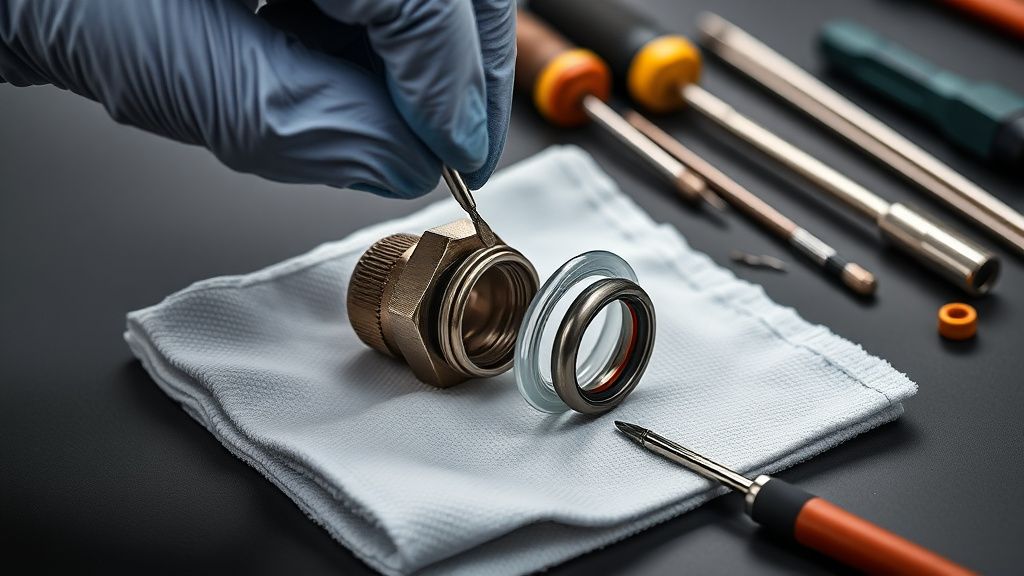
- Seal Extraction: Use a dental pick, not a screwdriver. If you scratch the interior housing, no amount of new O-rings will stop the leak.
- Lubrication: Use Molykote 111 or another food-grade silicone grease. If you don't grease the new O-ring, it will tear within three cycles of the steam wand moving.
Engineering Compromise: Why the Pro Line Feels "Fragile"
There is an inherent conflict between the "Pro" branding and the domestic usage patterns of the KitchenAid Pro Line. The steam knob is geared. If you turn it until it hits the hard stop and then pull on it, you’re stressing the valve stem. Over time, the internal brass threads deform.
I’ve seen machines come into the shop with "stripped" valve stems. This isn't a factory defect; it’s a design limit. The valve was designed to be turned to the "open" position, not "torqued to a lock."
Real Field Reports: The Community Consensus
Looking at the GitHub style issue trackers for home appliance repair forums, the consensus is clear: the factory seals are underspecified.
User "CoffeeFix88" on a legacy forum: "I replaced the seal four times in two years. Finally bit the bullet and bought a Viton O-ring with a higher durometer rating. Haven't had a drip since. The stock EPDM is just too soft for the heat cycles of a machine that stays on all day."
This is a critical point. If you are doing this repair, upgrade your O-ring material. Search for "Viton O-rings" in the specific mm size required. They handle heat expansion significantly better than the OEM components.
Counter-Criticism: Should You Even Fix It?
There is a segment of the industry that argues that once a KitchenAid Pro Line valve block starts leaking, you should replace the entire assembly, not just the seals. Why? Because the housing itself wears down. When you see a "groove" inside the brass block, a new seal is merely a temporary patch.
Critics of this "replace everything" approach point to the sustainability nightmare. Replacing a $150 valve block for a 50-cent seal is wasteful, but in a commercial setting, it’s often cheaper than the labor cost of repeated failures. For the home user, it’s a question of how much time you want to spend opening your machine.

Scaling Issues and Maintenance Misconceptions
The "scaling" (mineral buildup) problem is the silent killer of these machines. Most users don't realize that steam wands have a "dead zone" where water sits and cools, creating the perfect environment for scale crystallization. Even if you use filtered water, the steam generation process leaves behind concentrated minerals.
If you don't perform a "steam wand purge" (letting steam blow for 3-5 seconds into a cloth every time you finish), you are essentially seasoning your valve with mineral grit that will act like sandpaper on your new O-rings.
The Economics of the Pro Line Ecosystem
Why does it seem like the parts are always "out of stock"? The KitchenAid Pro Line was a specific collaboration that sits in a weird middle ground between the enthusiast market and the entry-level commercial space. It doesn't have the sheer volume of parts support that a Gaggia Classic or a Rancilio Silvia enjoys. Consequently, you are often at the mercy of secondary parts suppliers who pull components from similar Italian machines (like those from ECM or Profitec).
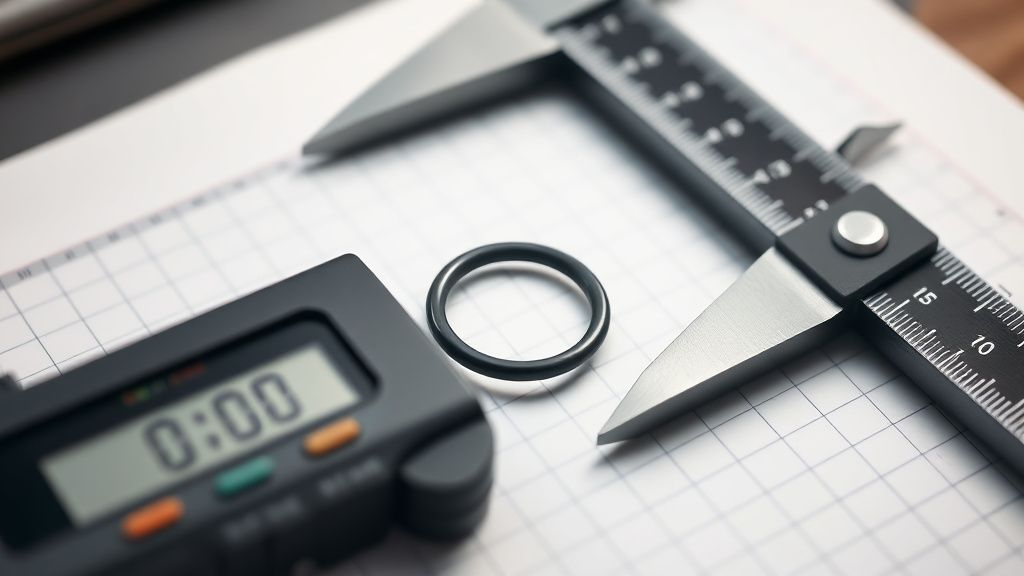
Be careful: "Looks like it fits" is the fastest way to ruin a machine. Always verify the inner diameter (ID) and outer diameter (OD) of your seals using a digital caliper before forcing anything into the valve block.
Long-Term Reliability: A Technician's Reality
If you follow the repair guide, your machine will run for another five years. But acknowledge the limitations. The KitchenAid Pro Line is a mechanical system, not a digital one. It relies on gaskets that will degrade.
- Don't ignore the signs. If the steam pressure starts to drop or the wand starts "sputtering" (water mixed with steam), that is the early warning sign of a failing seal.
- Lubrication is key. Every six months, pull the valve and inspect the seals. It takes 15 minutes and saves you from a catastrophic blowout.
Final Analysis: The User Paradox
The KitchenAid Pro Line user is a specific archetype: someone who wants cafe-quality equipment but struggles with the "cafe-quality maintenance" required to keep it running. You are essentially operating a small industrial boiler on your kitchen counter. It requires respect. When it leaks, don't get frustrated; treat it as an opportunity to understand the hydraulics of your brew system.
If you are intimidated by the teardown, reach out to local appliance repair shops, but specify that you have a "commercial-style steam valve assembly." Many shops will turn you away if you say "KitchenAid" because they assume it’s a cheap plastic drip coffee maker. Educate them, or you’ll be doing the work yourself.