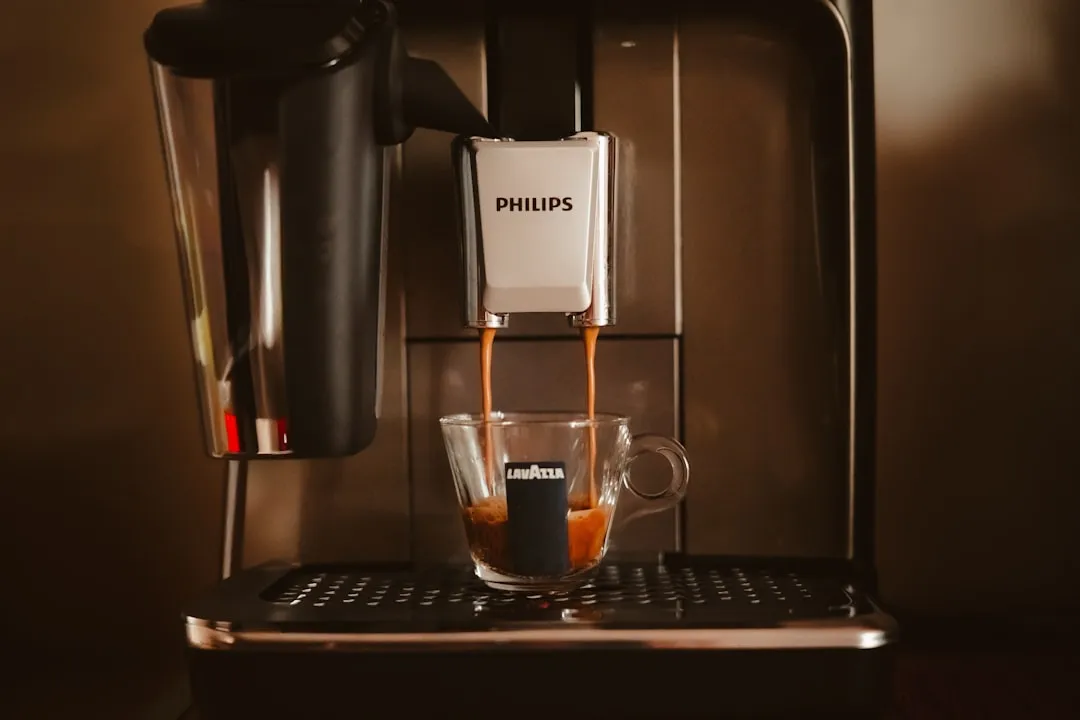
If your Philips 3200 LatteGo isn’t frothing, the culprit is almost always dried milk proteins—casein and fat—obstructing the microscopic air intake valve or the steam nozzle. To fix it, you need a deep soak in a food-grade descaler or citric acid solution, followed by a manual needle-clearance of the venturi port. Do not use metal pins that can scratch the internal orifice.
The Anatomy of Failure: Why the LatteGo System Gets Bogged Down
The Philips 3200 LatteGo is a marvel of modern consumer convenience, but it is fundamentally a high-maintenance machine masquerading as a "one-touch" luxury item. The engineering premise is simple: use high-velocity steam to create a venturi effect that pulls milk through a narrow passage, aerating it into a stable micro-foam. However, the operational reality of this system is brutal.
In the field, I see these units arrive with "blocked" frothers at least twice a week. The issue isn't a mechanical failure of the pump or the thermoblock; it’s a biological and chemical interaction. Milk is a complex colloid. When you heat it, the proteins begin to denature. If the system isn't rinsed with extreme prejudice immediately after every cycle, the residual milk dries into a hard, epoxy-like biofilm.
Understanding the Venturi Effect and Air Intake Port
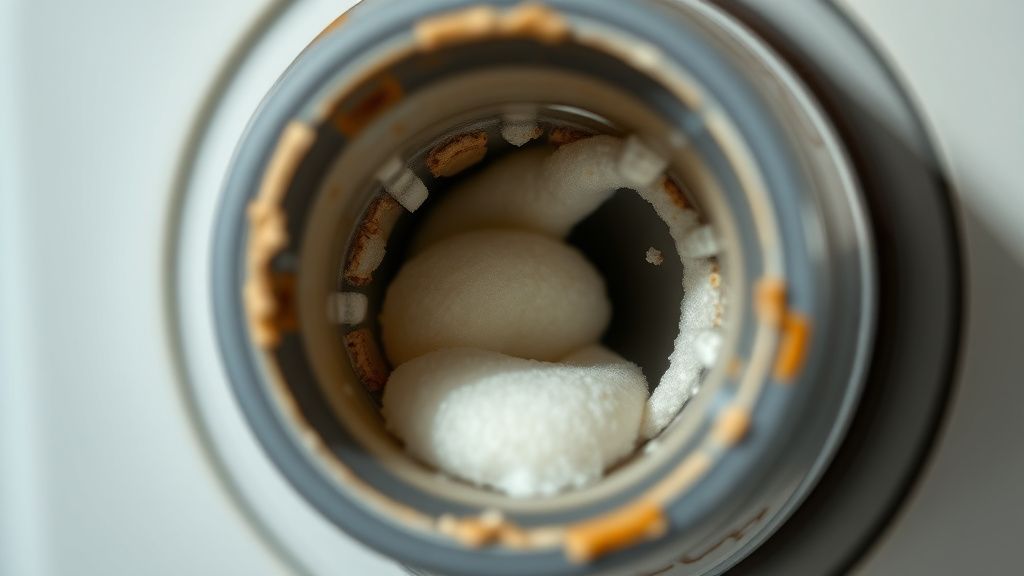
The LatteGo container doesn't have an active pump; it relies on the vacuum created by the steam escaping the machine's primary boiler unit. This vacuum pulls air and milk through a tiny, calibrated aperture. If this aperture—the "air intake"—is restricted by as little as 0.2mm of residue, the pressure differential collapses. The result? You get "hot milk" instead of "foamed milk," or the dreaded sputtering sound that sends users to Reddit in a rage.
Users often mistake this for a failed solenoid valve inside the machine. Before you start tearing down the casing, ask yourself: have you actually cleaned the air intake channel with a dedicated brush, or did you just run the "Quick Clean" cycle? The "Quick Clean" feature is, frankly, a marketing comfort blanket. It circulates hot water, but it rarely reaches the temperature required to emulsify the heavy butterfat trapped in the narrow neck of the frother.
Real Field Reports: The "Cold Milk" Symptom
Looking at user forums like the r/espresso sub or various appliance repair Discord servers, the sentiment is consistently split.
- User A (Reddit): "The LatteGo stopped frothing after three months. Support told me to buy a new container. I soaked it in hot water instead, and it works perfectly."
- User B (GitHub Issue Tracker for Coffee Machines): "Even after deep cleaning the housing, the flow remains inconsistent. I suspect the internal O-ring seal at the connection point is failing, allowing air to leak and ruining the venturi pressure."
This reflects the two realities of the Philips 3200: either the user is neglecting the cleaning regime, or the proprietary O-ring seals—which are notoriously difficult to source—have degraded. Philips doesn't sell individual gaskets; they sell the entire container assembly. That is a deliberate economic design choice, not a technical necessity.
The "Deep Soak" Protocol: A Technician’s Approach
Forget the manual’s advice for a moment. To truly recover a blocked LatteGo, you need to break the chemical bond of the dried milk.
- Preparation: Fill a basin with hot water (not boiling, or you will warp the ABS plastic). Use a high-quality, citric acid-based descaler.
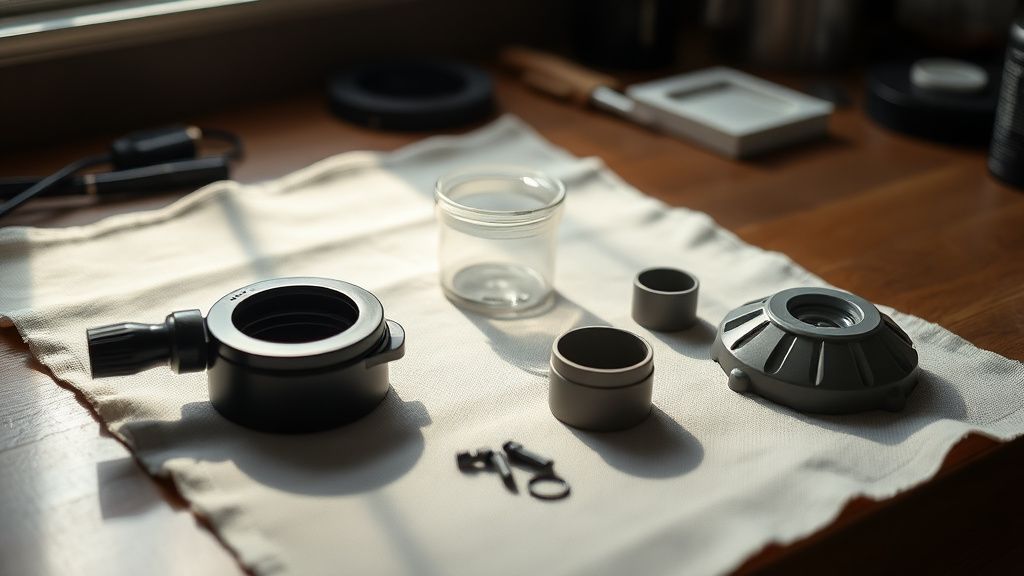
- Disassembly: Remove the two main parts of the LatteGo container. Do not force the plastic latches; they become brittle with heat cycles.
- The Soak: Submerge the container parts for at least two hours. If you smell sour milk, the bacteria is still active.
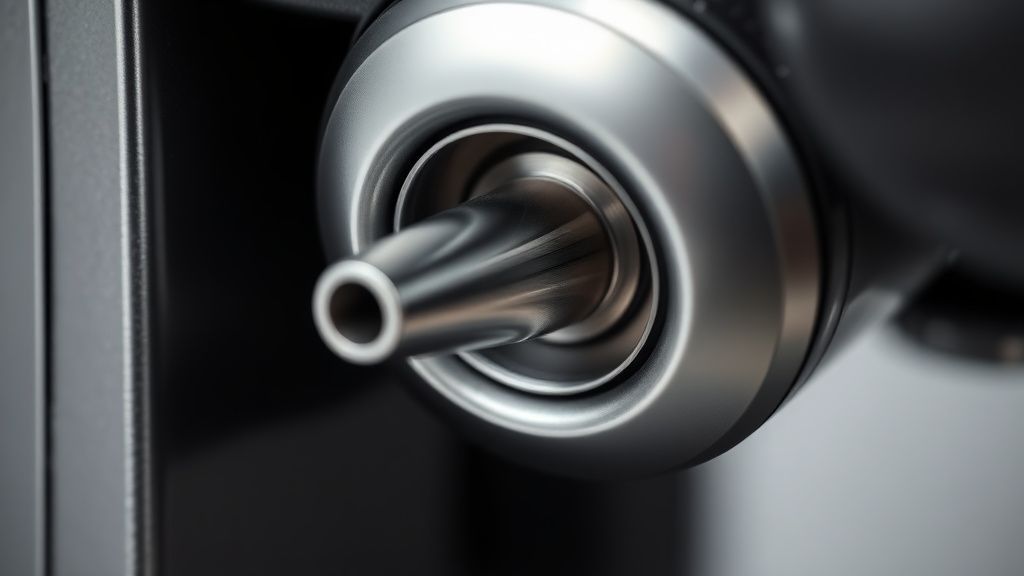
- Mechanical Intervention: Use a soft-bristled brush. Never use a toothpick or a paperclip on the nozzle orifice. If you scratch the interior of the nozzle, the fluid dynamics will change, and you will never get proper foam again. Use a monofilament nylon brush instead.
Why "Automatic" Descaling Often Misses the Frother
A major point of contention in the industry is the machine's descaling cycle. When you run the Philips-brand descaling program, the acidic solution passes through the internal hydraulic circuit, the brew group, and the main coffee spout. It does not effectively route through the LatteGo milk carafe.
This is a massive oversight in the user experience design. The machine tells the user "Descaling Complete," providing a false sense of security. The user assumes the milk system has been cleaned, but the milk path remains untouched by the descaling acid. This creates an environment where the internal steam wand and the LatteGo connection point harbor mineral buildup and biofilm that eventually cause a total blockage.
Managing Expectations: The Lifecycle of the Plastic Components
Let’s be cynical for a moment: the LatteGo is a consumable. The reliance on thin plastic snap-fits and silicone seals means that, regardless of how meticulously you clean it, the system will eventually fail due to fatigue.
The internet is full of "workaround culture"—users printing custom 3D nozzle replacements or using high-pressure air compressors to blast out clogs. While these methods are creative, they often lead to larger issues. Blasting high-pressure air into a nozzle that was designed for low-pressure steam can displace internal seals, leading to permanent leaks that require a full unit replacement.
Troubleshooting Flow: A Diagnostic Checklist
If you are currently staring at a blinking light or a sputtering frother, follow this order of operations:
- Step 1: Verify the "Steam" flow without the container attached. Does the machine output a strong, continuous, and hot burst of steam? If no, your internal boiler or solenoid is the problem. Stop touching the container and look at the internal pump.
- Step 2: Inspect the milk intake aperture on the bottom of the container. Use a magnifying glass. Is there a visible white speck?
- Step 3: The "Resistance" test. With the container empty, pull hot water through the system. If it flows freely, your blockage is protein-based (milk). If it trickles, you likely have a mineral (limescale) blockage.
The Politics of Proprietary Parts
There is a growing movement of "Right to Repair" advocates calling out Philips for the lack of available service parts for the 3200 series. When the LatteGo container’s seal fails, you are faced with a choice: spend significant money on a replacement module, or abandon the machine. This "planned obsolescence through modularity" is a standard industry practice, but it feels particularly aggressive in the $500–$800 price bracket.
If you find that even after professional-grade cleaning your machine continues to fail, the issue is likely a microscopic crack in the plastic housing of the container. These cracks are often invisible to the naked eye but allow air to infiltrate, breaking the venturi vacuum. At that point, stop trying to fix it. The engineering tolerances required for the LatteGo to work are simply too precise for home-repaired plastic.
of Best Practices To extend the life of your LatteGo beyond the standard two-year burnout window:
- Never leave milk in the fridge inside the container. The shift in temperature causes the seals to contract and leak air.
- Use distilled or filtered water. Limescale in the steam circuit is the silent killer of the LatteGo’s performance.
- Adopt a "flush-first" policy. Before you make your coffee, run a quick burst of steam without milk to heat the nozzle, then perform the cleaning immediately after the milk cycle.
FAQ
My LatteGo makes a weird clicking sound, is it broken?
Can I use a dishwasher to clean the LatteGo?
I see air bubbles in my milk, does that mean the container is leaking?
How often should I replace the LatteGo container?

Final Thoughts: The Reality of Modern Convenience
The Philips 3200 LatteGo is a machine built for people who want the output of a professional barista without the labor of a professional barista. That desire creates a fundamental conflict: professional-grade milk systems require professional-grade cleaning. When you cut the manual labor out of the equation, the hardware eventually breaks.
The "blocked frother" isn't a design flaw per se—it is the system’s way of saying it has reached its limit. Treat your machine like a piece of high-precision equipment, not a toaster, and you will get years of service out of it. Ignore the maintenance, and you’ll find yourself part of the endless cycle of support forums and "replacement container" purchases. The technology works, but it demands respect for the physics of fluid dynamics that it relies upon.