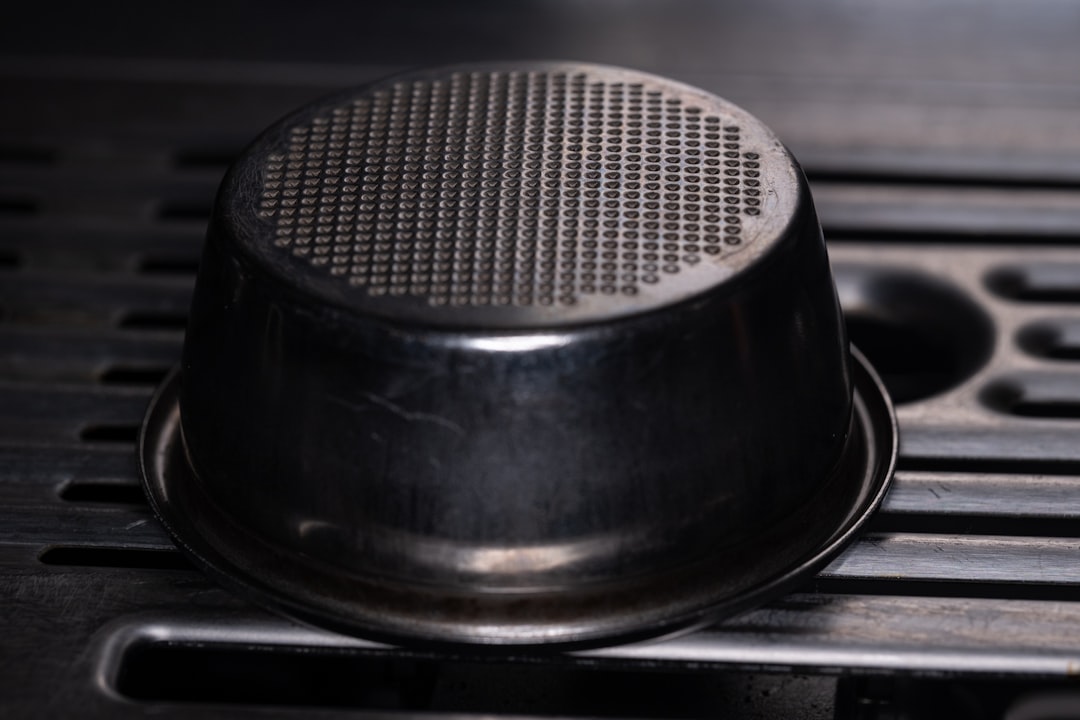
The Breville Barista Express (BES870XL) is an engineering marvel in the home espresso space, but it is notorious for its strict maintenance protocols. When the "Clean Me" light illuminates, the machine is not merely suggesting a rinse; it is signaling that the internal solenoid valves, flow meter, and thermoblock are beginning to accumulate mineral deposits (scale) that will eventually compromise extraction pressure and thermal stability. Ignoring this indicator is the number one cause of premature pump failure in domestic espresso machines, much like failing to perform regular maintenance can cause a Shark IQ Robot Error Code 14: How to Fix the Vacuum Motor Issue, or lead to other appliance malfunctions.
Problem Nedir (What is the Problem?)
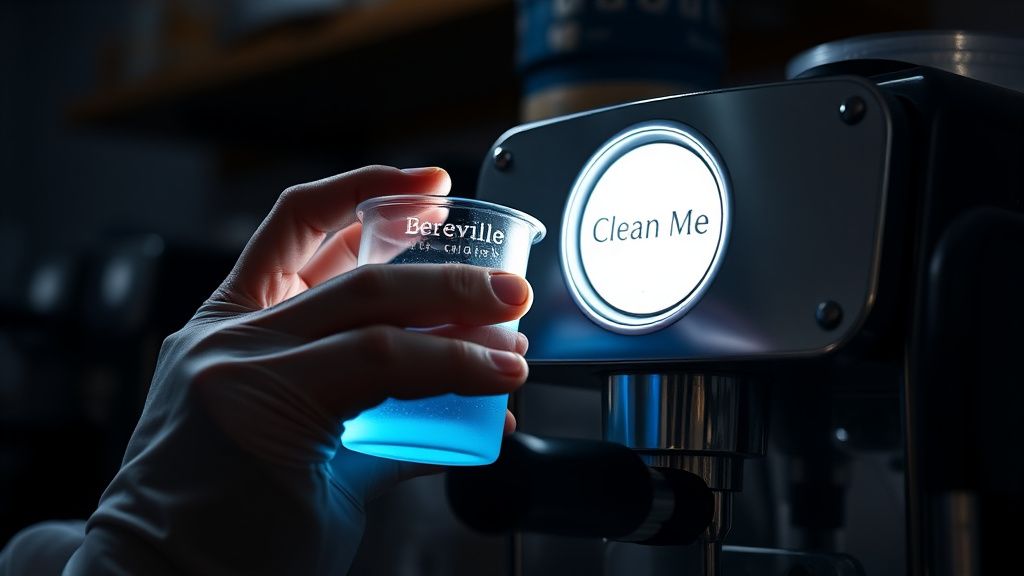
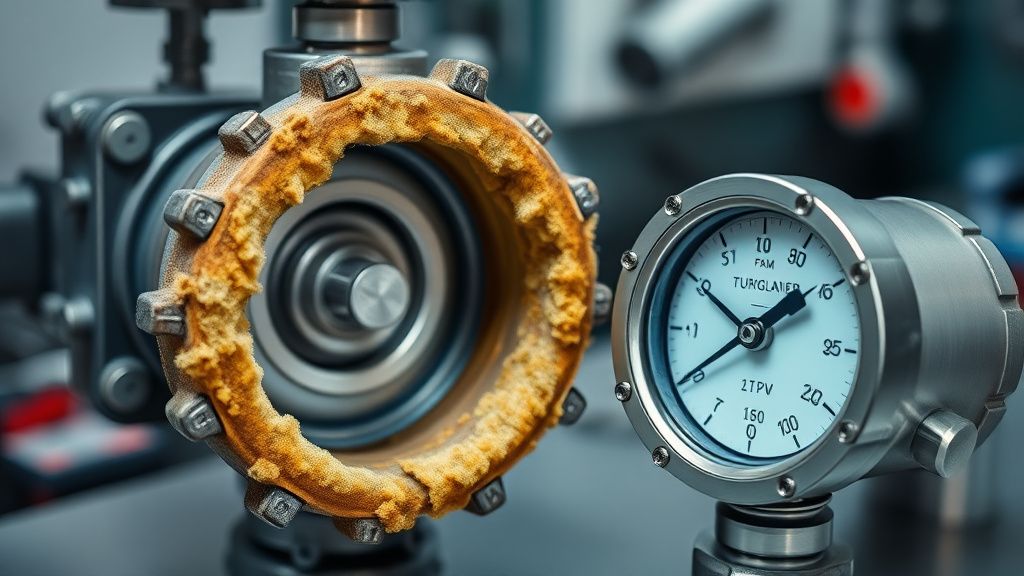
The "Clean Me" light is a persistent, non-optional maintenance notification triggered by a specific number of extraction cycles—usually around 200 shots. It is not an intelligent sensor detection of lime scale, but a mechanical counter. When this light is on, the machine enters a state where it expects a Cleaning Cycle (using a specialized cleaning tablet) or a Descaling Cycle (using a liquid descaling solution). If left unaddressed, the mineral deposits (calcium carbonate and magnesium) build up inside the thermoblock, restricting water flow and causing the pressure gauge to fluctuate wildly during extraction.
Belirtileri (Symptoms)
- Steady "Clean Me" Light: The light remains illuminated even after power-cycling the machine.
- Pressure Gauge Drop: You notice the gauge failing to hit the "Espresso" range despite proper grind size and tamping force.
- Audible Strain: The vibration pump sounds significantly louder or labored, indicating a blockage in the internal tubing.
- Flow Inconsistency: A "choking" sensation where the water flow is intermittent or significantly slower than your baseline shot time.
- Steam Wand Output: Weak steam pressure or sputtering, suggesting the steam circuit is affected by calcification.
Olası Nedenler (Possible Causes)
- Hard Water Usage: The primary culprit. Using unfiltered tap water in areas with high mineral content causes rapid calcification.
- Lack of Filter Maintenance: Failure to replace the charcoal water filter in the reservoir every two months allows scale-heavy water into the boiler.
- Cycle Counter Threshold: Reaching the internal 200-shot limit mandated by the machine's firmware.
- Incomplete Cleaning Cycles: Interrupting a cleaning cycle or failing to use the provided silicone cleaning disc, which prevents the group head from being thoroughly flushed.
- Solenoid Valve Fouling: Fine coffee oils and scale fragments lodging in the 3-way solenoid valve, which prevents the machine from diverting pressure properly.
Quick Fixes (Hızlı Çözümler)
For users who need to clear the light immediately to finish a coffee, consider that troubleshooting common home tech is similar to solving a Keurig K-Elite Descale Light Won't Turn Off? Try This Fix.
- The Forced Reset: If you are certain you have cleaned the machine, ensure the cleaning disc is in the portafilter with a tablet. Run the cycle.
- The "Ghost" Cycle: If you are in a rush and the machine is clean, run a cleaning cycle without the tablet (not recommended long-term, but effective for clearing the alert)—though for more complex home maintenance, you might also need guidance like Roborock S7 Error 1: How to Fix LiDAR Turret Obstructions Quickly.
- Water Reservoir Check: Ensure the water tank is seated firmly, as proper device connectivity is essential—just as you would ensure your devices are configured correctly if your Ring Doorbell Pro Offline After Wi-Fi Change? Here’s How to Fix It. A loose tank can prevent the pump from priming, mimicking a blockage.
- Descaling Solution Flush: If you have run out of cleaning tablets, a 1:1 mixture of water and food-grade white vinegar can serve as a last-resort descaler, though it is less effective and harsher on rubber seals than professional solutions.
İleri Düzey Çözümler (Advanced Fixes)
When simple cleaning cycles do not resolve flow issues, you are likely dealing with deep-seated calcification, requiring a proactive strategy similar to learning Why Property Managers Are Outsourcing Dishwasher Diverter Repairs to Boost ROI.
Professional Descaling Procedure
- Solution Preparation: Use a proper, non-citric acid based descaler (like Breville’s own or a quality liquid descaler). Citric acid can sometimes leave a residue that clogs the fine mesh screens.
- Drain the Boiler: Empty the water tank completely. Fill it with the mixed descaling solution.
- The Steam/Hot Water Circuit: Open the steam wand valve and cycle the pump to pull the solution through the steam boiler. Do this in 30-second bursts to avoid overheating the pump.
- The Group Head: Close the steam valve and pull the remaining solution through the group head.
- The Dwell Time: This is the most crucial step—let the machine sit for 20 minutes. This allows the acidic solution to chemically break down the molecular structure of the lime scale inside the copper/brass tubing.
- The Rinse: Flush at least two full tanks of fresh, filtered water through both the steam wand and the group head to ensure no chemical residue remains.
Counter-Criticism: The "Descaler vs. Vinegar" Debate
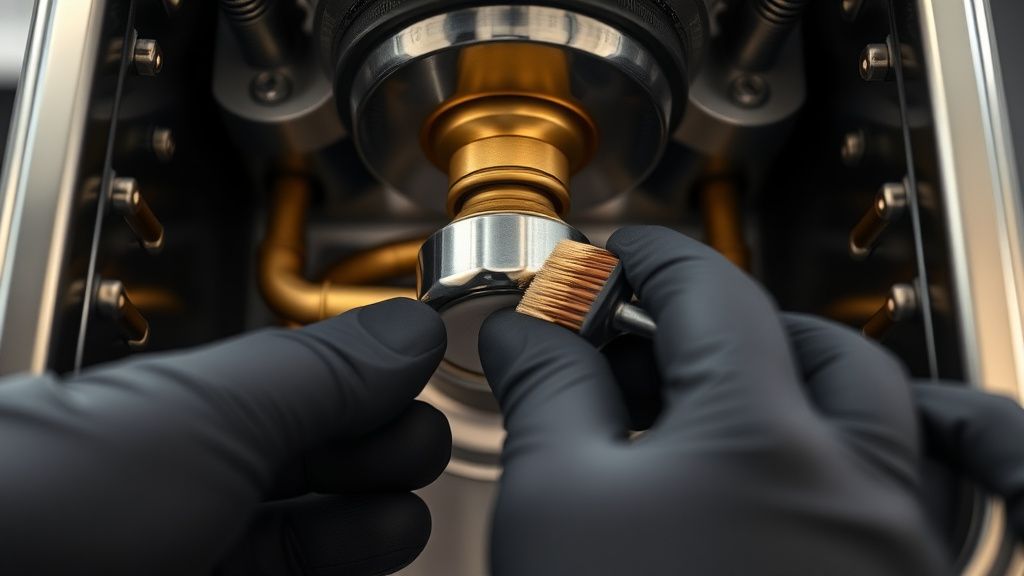
There is a massive ongoing industry debate regarding the use of white vinegar. Purists and Breville-certified technicians argue that vinegar is too abrasive and can degrade the seals within the group head over time, leading to leaks. Conversely, budget-focused home users argue that it is the only cost-effective way to manage scale. The expert verdict? Use specialized descaler. The cost of a replacement solenoid valve or a new pump due to seal degradation far outweighs the price of a bottle of commercial descaler.
Factory Reset (Fabrika Ayarlarına Döndürme)
If your machine is behaving erratically beyond the "Clean Me" light, a factory reset can clear persistent firmware glitches.
- Power Off: Ensure the machine is turned off but plugged in.
- Hold Buttons: Press and hold the Program button and the 2-Cup button simultaneously.
- Power On: While holding those buttons, turn the machine on (the Power button).
- Confirmation: The machine will flash its lights or perform a series of clicks to acknowledge the reset. All volume settings will return to the factory default (30ml for single, 60ml for double).
Real Field Reports (Gerçek Saha Raporları)
Case Study A: A user in a hard-water region (high calcium) noticed the "Clean Me" light flickering sporadically even when not triggered. Upon disassembly, we found the flow meter was physically blocked by a piece of limestone scale, causing the turbine to stop spinning and confusing the CPU. Case Study B: A home barista attempted to "clean" the machine with a heavy concentration of citric acid, which caused the fine screen on the shower head to corrode. We had to perform a full group-head rebuild. Lesson: Always follow the dilution ratios on the bottle.
When to Replace (Ne Zaman Yenisiyle Değiştirilmeli?)
It is time to consider retiring your Barista Express when:
- The Thermoblock Leaks: If you see water originating from the aluminum block itself rather than a connection point, the internal heat exchanger has likely cracked due to thermal fatigue.
- Motherboard Failure: If the "Clean Me" light and other indicators start blinking in an erratic, non-patterned way, the logic board is failing. Replacing the PCB is costly and often exceeds 40% of the value of a new machine.
- Pump Seizure: If you have performed a manual descaling and the pump still refuses to build pressure, the internal diaphragm of the ULKA pump is likely shot. While replaceable, it is a sign that the machine has reached its life expectancy.
FAQ (Sıkça Sorulan Sorular)
Can I use store-bought bottled water instead of filtering?
While better than hard tap water, many bottled waters contain high amounts of magnesium or calcium which still cause scale. Always use water that has been through a reverse osmosis or a dedicated espresso-grade filtration system (like BWT) for the longest machine lifespan.
How often should I truly descale, regardless of the light?
If you live in an area with "hard" water, do not wait for the light. Descale every 3 months. If you use soft or distilled water (reminalized), you can stretch this to every 6 months. Never use purely distilled water, as the machine's sensors require minerals to detect water flow.
Why does the "Clean Me" light come back on immediately after I run a cycle?
You likely performed a cleaning cycle but did not actually "reset" the counter, or the machine didn't complete the full cycle. Ensure the cleaning tablet is fully dissolved and the pump runs for the entire duration of the cycle without interruption.
Is it safe to monetize this repair skill?
Yes, but only with proper liability insurance. Many Barista Express owners are terrified of the internal components. Offering a "Deep Clean & Descale Service" as a local side-hustle is highly lucrative, provided you document your process and use authorized parts.
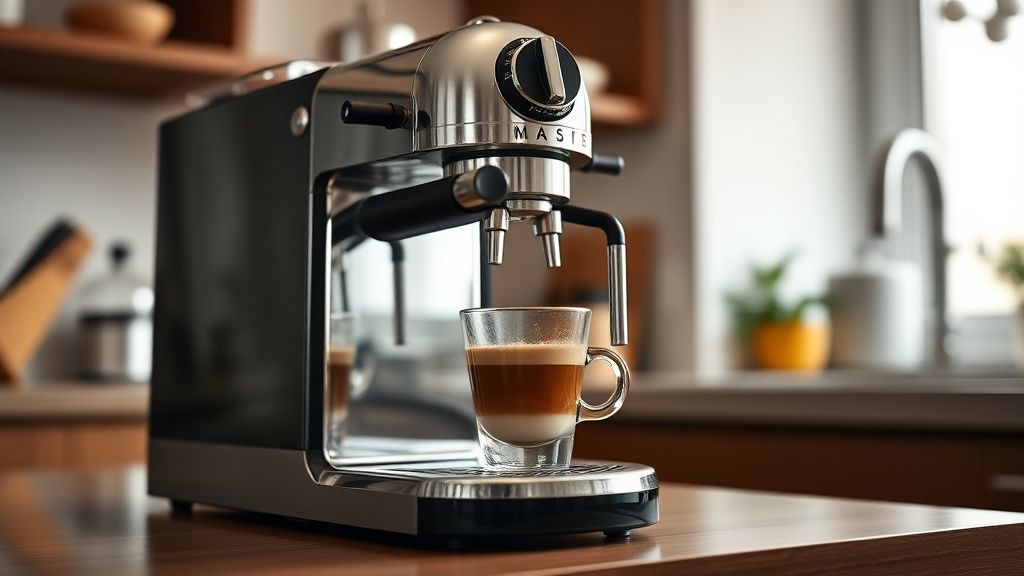
Mastering the Maintenance Lifecycle
The longevity of your Breville Barista Express is entirely dependent on your commitment to the machine's maintenance cycle. The "Clean Me" light is your primary line of defense. By understanding the underlying mechanics—from the flow meter’s reliance on water purity to the solenoid's vulnerability to calcium deposits—you move from being a user to a steward of the equipment.
If you treat the machine as a precision instrument rather than an appliance, you will avoid the pitfalls of component failure and ensure that your morning ritual remains as consistent in year five as it was in year one. Remember: The cost of a few descaling tablets is pennies compared to the cost of a new machine. Maintenance is not a chore; it is an investment in your daily coffee experience.