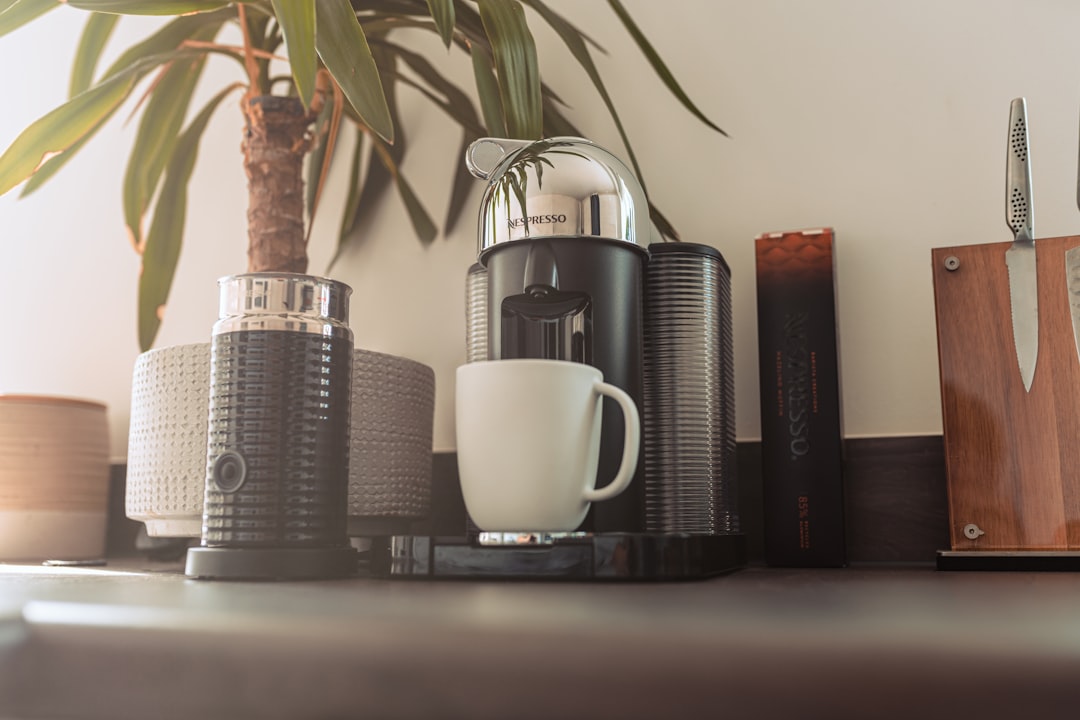
The Nespresso Vertuo blinking red light is the quintessential "death code" of modern home coffee brewing. It represents a state of firmware panic—the machine’s internal logic controller has detected a discrepancy between the mechanical state of the brewing head, the capsule barcode reader, or the internal pressure sensors, and it has locked the system to prevent a catastrophic blowout or electrical failure. For the savvy technician, this blinking light is not a tragedy; it is the cornerstone of a highly profitable, high-velocity home appliance repair service, similar to how professionals scale induction cooktop repair businesses into new goldmines.
Problem Nedir (What is the Problem?)
The "Blinking Red Light" on a Nespresso Vertuo machine is a general fault indicator, not a specific error code. When the LED flashes red, it signals that the machine’s Centrifusion™ technology has failed to initiate a cycle. The system is essentially saying: "I cannot guarantee the integrity of the pressure or the reading of the barcode, so I am refusing to operate." This is a fail-safe mechanism designed to protect the heating element, the pump, and the motor assembly from operating under dangerous conditions, such as a blocked water path or an incorrectly seated capsule.
Belirtileri (Symptoms)
Users typically experience one of three distinct patterns, though those dealing with other common kitchen appliance issues might also want to check our guide on Nespresso Vertuo Next Blinking Orange and White Light: How to Fix It.
- The Half-Red/Half-Green Blink: Usually indicates a descaling cycle is required or the machine is locked in a maintenance mode.
- The Rapid Red Flash: This is the most common "hard fault." It happens when the user lowers the head and attempts to brew, only for the machine to shudder and flash red immediately.
- The "Dead" Machine: The machine is plugged in, but pressing the button results in a silent unit with a red light, indicating that the internal board has registered a thermal cut-off or a motor stall.
Olası Nedenler (Possible Causes)
- Barcode Reader Occlusion: Coffee oils and scale build-up on the optical laser lens prevent the machine from identifying the capsule.
- Internal Air Lock: The pump, specifically the vibration pump, has developed an air bubble, preventing water flow. The machine detects the lack of pressure increase and enters an error state.
- Mechanical Obstruction: Residue in the capsule holder prevents the cam-lock mechanism from fully seating the head.
- Descaling Sensor Fatigue: The software counter has hit the "forced maintenance" limit, and the machine will refuse to brew until a full cycle is performed.
- Mainboard Surge: A voltage spike has corrupted the volatile memory of the microcontroller.
Quick Fixes (Hızlı Çözümler)
Before you dismantle a machine, perform these 30-second triage steps to weed out the "user error" cases:
- The Power Cycle: Unplug the machine for at least 15 minutes. This allows the capacitors on the mainboard to discharge, clearing the temporary RAM and resetting the state machine.
- The "Hard Reset" (Not Factory): Hold the button down for 5 seconds while the head is open. This sometimes forces the motor to re-home its position.
- Cleaning the Reader: Use a microfiber cloth with a drop of white vinegar to gently wipe the optical laser lens located inside the capsule chamber.
- Priming the Pump: If the machine sounds like it is "dry," fill the reservoir with hot water, lift the head, and repeatedly attempt to "brew" (without a capsule) to force water through the lines.
İleri Düzey Çözümler (Advanced Fixes)
If the quick fixes fail, you are entering the territory where professional service fees apply.
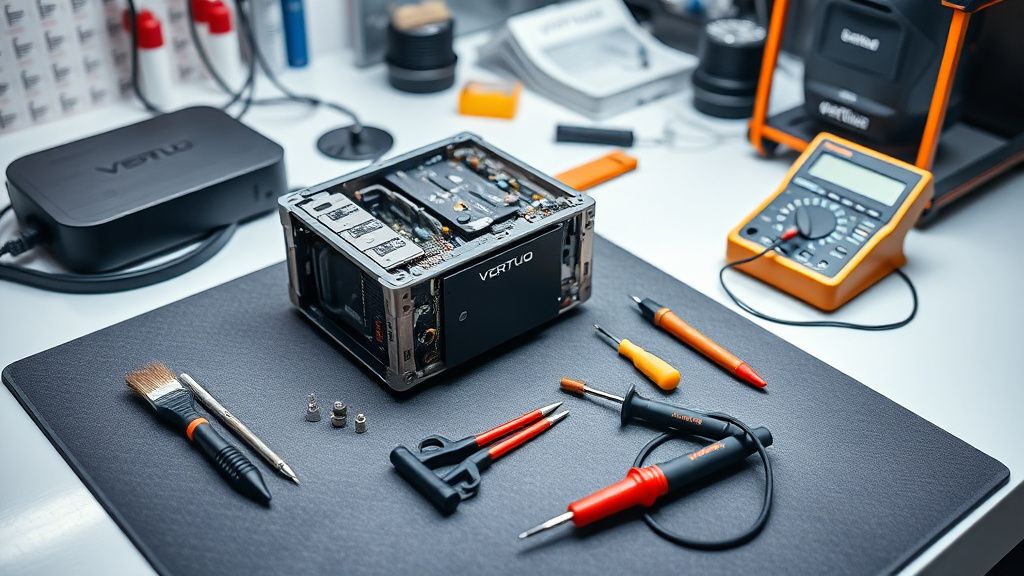
1. Pump Replacement: Many machines fail because the ULKA vibration pump has lost its output pressure, a common hardware fault that is often easier to diagnose than the complex Breville Barista Pro E01 Error. You will need to open the casing (typically requiring specialized Torx or tamper-proof bits). Inspect the pump for calcium scale deposits. Often, the pump is fine, but the check valve at the outlet is stuck. Cleaning this valve with a citric acid solution often restores full function.
2. Optical Sensor Calibration: If the lens is clean but the machine won't recognize capsules, the internal laser diode may be misaligned due to housing vibration. You must remove the brew head assembly and re-seat the plastic housing that holds the lens, ensuring the focal distance to the capsule rim is exactly as specified by the manufacturer.
3. Thermal Fuse Bypass/Check: Check the thermal fuse on the heater assembly. If the machine overheated, the fuse may have blown permanently. A multimeter test for continuity across the fuse is essential here. If open, replace the fuse—never bridge it.
Factory Reset (Fabrika Ayarlarına Döndürme)
To perform a true factory reset on the Vertuo Next or Vertuo Plus:
- Ensure the machine is plugged in and the head is closed.
- Open the head and eject the capsule.
- Close the head but leave the handle in the unlocked position.
- Press the button 5 times within 3 seconds.
- The light will blink 5 times, indicating a successful return to factory defaults. This clears internal error logs and resets the brew counter.
When to Replace (Ne Zaman Yenisiyle Değiştirilmeli?)
As a professional, you must know when to stop the clock. Do not repair a machine if:
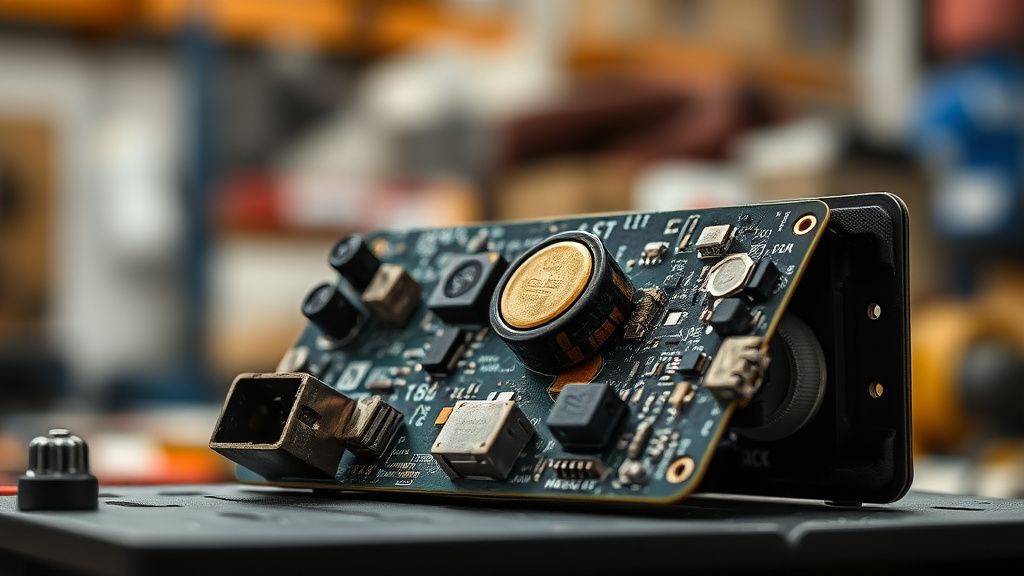
- The Mainboard is Fried: If there is visible charring on the PCB, the machine is scrap. Repairing the logic board is economically unfeasible.
- Leaking Internal Boiler: If the aluminum heater housing has a hairline crack, it is a pressurized vessel. It is a safety liability. Recycle it.
- Motor Burnout: If the gear assembly for the automatic head locking mechanism has stripped teeth, it is usually cheaper for the client to purchase a new unit than to pay for the proprietary part and the labor time required to replace it.
Gerçek Saha Raporları (Real Field Reports)
Case Study A: A client brought in a Vertuo Next with a persistent red light. My diagnostic showed that the barcode reader was fine, but the water flow sensor (a small turbine) was jammed with a piece of scale. By disassembling the flow meter and cleaning the turbine, I saved the client a $200 machine for a $50 service fee. Case Study B: A customer tried to "hack" the system by using an unofficial pod refill kit. The excess plastic debris from the cheap pod had jammed the cam-lock sensor. This required a full teardown. The repair was successful, but the cost was nearly 60% of a new machine. Lesson: Always educate the client on the risks of using non-standard pods.
Karşılıklı Eleştiri (Counter-Criticism/Debate)
There is a heated debate in the independent repair community regarding "planned obsolescence" vs. "consumer safety." Some argue that Nespresso machines are intentionally designed to be difficult to open, effectively forcing users into a cycle of "toss and replace."
Critics of my service model argue that repairing these units is a waste of time, as the internal plastic components are designed for a 3-year lifespan. They advocate for simple, manual brewing methods. My counter-argument: The consumer market demands convenience. By repairing these units, we are extending their lifespan by years, keeping electronic waste out of landfills and providing a service that the manufacturer currently fails to provide at a reasonable cost.
FAQ
Does the blinking light always mean the machine is broken?
Can I fix the red light myself if I have no experience?
Is the Nespresso Vertuo worth repairing after 5 years?
What is the best way to prevent the red light from returning?