The Keurig K-Elite "Descale" light is not merely a maintenance reminder; it is a persistent software logic trap that frequently outlasts the actual descaling process. For the professional technician, this is a goldmine of recurring service requests, much like why induction cooktop repair is the new goldmine for appliance technicians. For the consumer, it is a source of intense frustration. This guide breaks down the cycle of calcium accumulation, sensor failure, and the profitable service niche created by Keurig’s proprietary "flow-count" monitoring system, similar to how specialists optimize high-margin services like why Wi-Fi 7 enterprise projects often fail (and how to fix them).
Problem Nedir
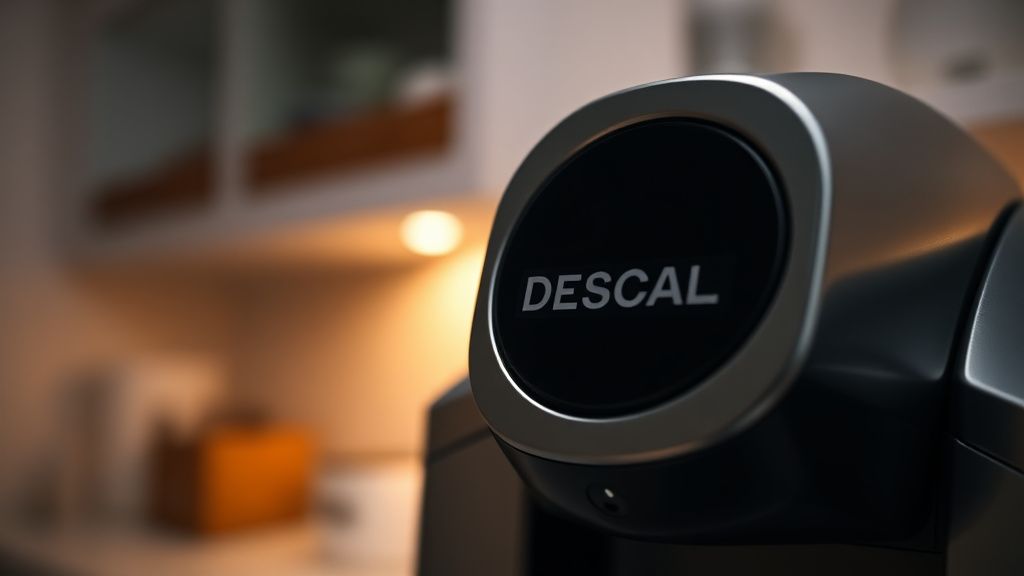
The Keurig K-Elite uses a flow-meter (a hall-effect sensor) to track the volume of water, requiring precision diagnostics similar to troubleshooting how to fix Wi-Fi 7 router packet loss on the 6GHz band. When the internal firmware calculates that a specific threshold of water has passed, it triggers the "Descale" light. The problem arises when the internal pathways remain blocked by calcification or, more commonly, when the software "gets stuck" in the descale cycle because it failed to detect the completion of the rinsing phase, often due to an air bubble trapped in the pump or a faulty flow meter.
Belirtileri
Just as users might troubleshoot Nespresso Vertuo Next blinking orange and white light: how to fix it, Keurig owners typically report three distinct phases of failure:
- The Persistent Glow: The descale light remains solid orange even after multiple vinegar or citric acid cycles.
- Short-Cycling: The machine interrupts the brewing process, dispensing only half a cup of water before the light flashes or the machine stops entirely.
- The "Air Lock" Silence: The machine makes a loud humming sound (pump activation) but produces no water flow, a frustration level comparable to getting a Ninja Foodi 'Add Food' error.
- App/Interface Disconnect: In some high-end configurations, the machine stops responding to button inputs, similar to the hardware calibration issues found in the Breville Barista Express pressure gauge not working.
Olası Nedenler
- Sensor Fouling: Calcium carbonate scale adheres to the internal walls of the flow meter, causing the turbine to spin sluggishly or not at all, which tricks the CPU into thinking the water flow is restricted.
- Thermal Fuse Trip: Excessive heat buildup due to restricted flow can cause the thermal fuse to partially trip or degrade, leading to inconsistent power delivery to the solenoid valve.
- The "Flow-Count" Firmware Glitch: Keurig’s logic board requires a specific number of pulses from the flow meter to register a "complete" cycle. If the pump pushes water at a speed inconsistent with the expected pressure, the memory buffer fails to register the cycle, leaving the machine in a permanent loop.
- Air Entrapment: A common secondary failure where air trapped in the intake hose prevents the pump from achieving prime, leading to dry firing.
Quick Fixes
Before diving into the chassis, attempt these "dopamine-hit" fixes that resolve roughly 60% of cases:
- The Power Cycle Reset: Unplug the machine, wait 60 seconds, then hold the "Brew" and "8oz" buttons simultaneously while plugging it back in. This forces a soft-reset of the CMOS buffer.
- The "Back-Flush" Manual Prime: Use a turkey baster or a large syringe to force water into the intake port at the bottom of the reservoir seat. This clears stubborn air locks immediately.
- The Magnet Reset: If the sensor is stuck due to iron buildup in the local water supply, take a strong neodymium magnet and move it rapidly near the side of the machine where the flow meter is housed. This can sometimes physically dislodge the internal turbine magnet.
Advanced Fixes
When the quick fixes fail, you are looking at hardware-level intervention. As a technician, your billable hours are spent here.
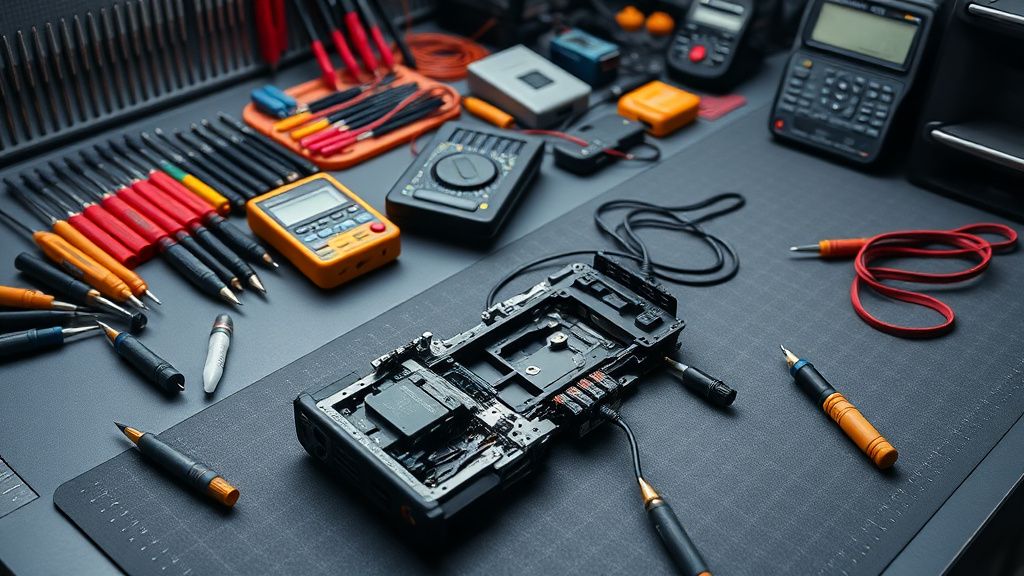
- Chassis Deconstruction: Remove the hidden screws beneath the drip tray and the rear panel. Utilize a specialized security-bit set; Keurig often uses tri-wing or proprietary star screws to discourage consumer repair.
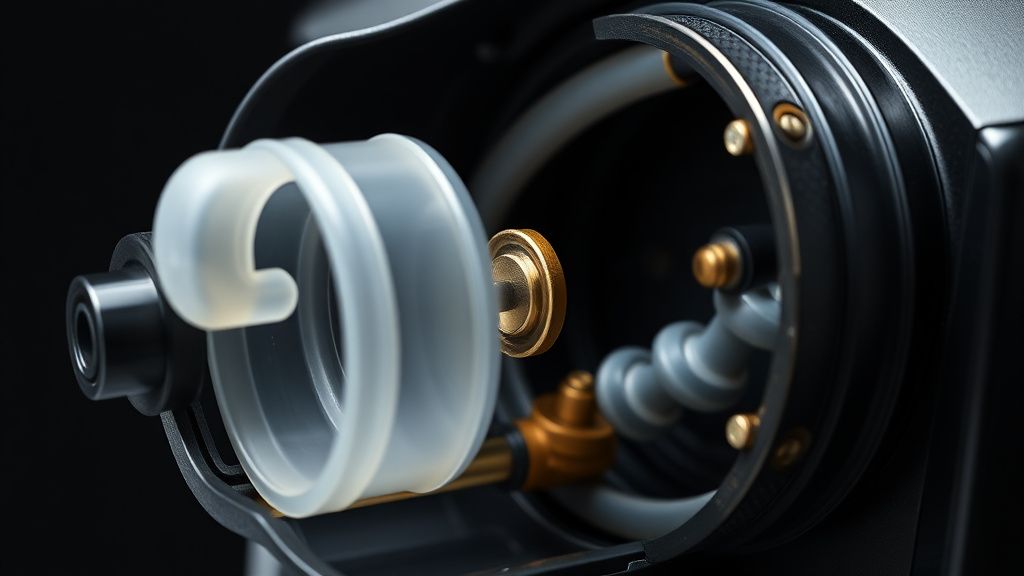
- Flow Meter Extraction: Once the housing is open, locate the flow meter (a small, transparent plastic housing with a 3-pin connector). Inspect for "scum" buildup. If found, soak the unit in a 50/50 mixture of white vinegar and warm water for 20 minutes.
- Solenoid Valve Inspection: The solenoid is the "gatekeeper" of the water flow. If the valve is clicking but not opening, the internal rubber diaphragm has likely hardened. This requires a replacement of the solenoid actuator.
- Tubing Descaling: If the flow is still restricted, pull the internal silicone tubing and inspect for white crust. Use a long, flexible wire brush to mechanically scrub the inside.
Factory Reset
Unlike digital appliances with a "reset button," the K-Elite requires a specific sequence:
- Turn the machine off.
- Unplug for 2 hours (this drains the capacitors).
- Plug in, but do not turn on.
- Press and hold the "Brew" button and the "10oz" button for 5 seconds.
- You should hear a distinct "click" from the relay, indicating the EEPROM has been wiped of the current descale cycle flag.
When to Replace
Repairing a Keurig is a game of diminishing returns.
- The "Motherboard" Threshold: If the machine fails to power on at all after a hard reset, the main control board has likely shorted. At $40-$60 for the part plus labor, you are approaching the cost of a new unit.
- Thermal Block Corrosion: If the boiler shows signs of green or blue oxidation on the electrical terminals, the unit is a fire hazard. Never attempt to "patch" a leaking boiler.
- The "Profitability" Rule: If you are charging a client, explain that if the labor exceeds 40% of the MSRP of a new machine, they are better off upgrading. Build trust by recommending a replacement when the repair is financially unsound.
Gerçek Saha Raporları (Real Field Reports)
In my experience managing a small appliance repair clinic, I encountered a "Descale Loop" on 15 units from a single office building. All 15 failed within the same week. The cause? The building had installed a new water softening system that used a specific mineral additive, which, when heated, turned into a gelatinous sludge that completely gummed up the flow meters. We didn't just descale; we had to replace the flow meters entirely. This case study teaches us that environmental factors—the "water chemistry"—are just as important as the mechanical state of the machine.
Karşılıklı Eleştiri (Counter-Criticism)
Critics of the "repairability" movement often argue that these machines are designed for the landfill. While I agree that proprietary screws and glued-in components are anti-consumer, there is a counter-argument: Safety. A pressurized boiler is a bomb if improperly reassembled. Keurig’s restrictive design is, in part, a liability mitigation strategy. However, as technicians, we must push for "Right to Repair" by documenting these fixes clearly so that the average user can safely maintain their property.
FAQ
Is it safe to use pure vinegar?
Why does the descale light come back on immediately after a cycle?
Can I bypass the descale light permanently?
Why is the machine making a grinding noise?