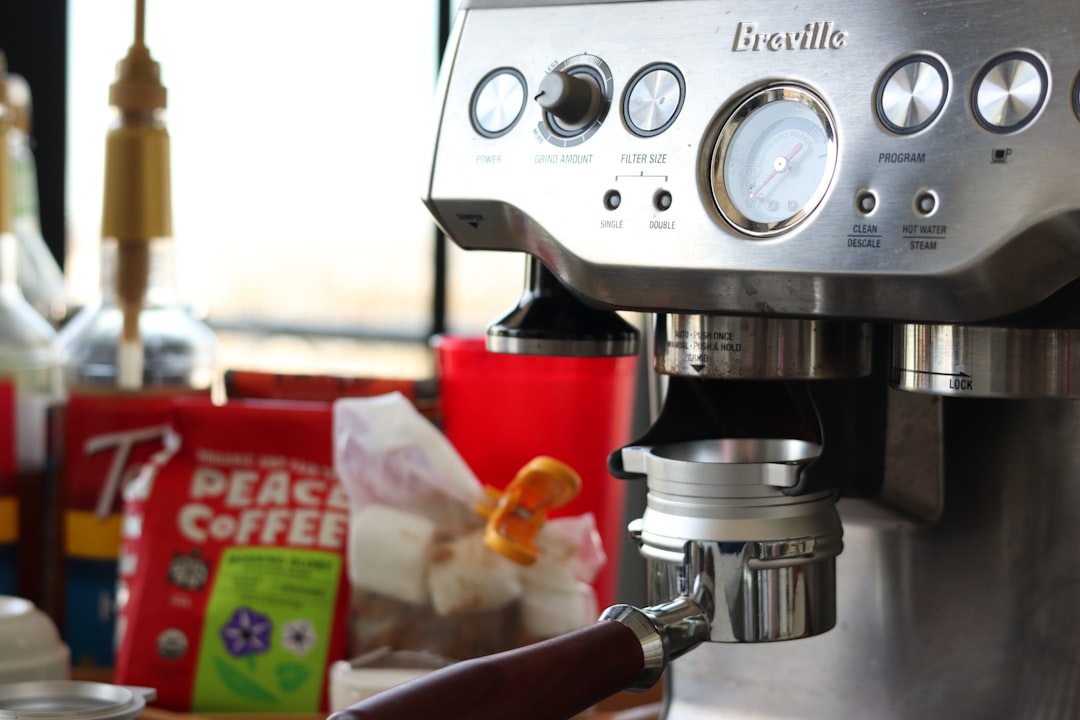
The Breville Barista Express is an engineering marvel in the prosumer space, but its pressure gauge is often the first component to cause panic. If your gauge isn't moving, it does not necessarily mean your machine is a paperweight. Most issues stem from trapped air in the hydraulic circuit, a failing pump, or a clogged solenoid valve. By mastering these diagnostics, you transition from a frustrated consumer to an amateur technician—a skill set that serves as a foundation for a lucrative side business in machine restoration, much like learning how to scale a modular workspace installation business for higher profits at https://havamsu.com/en/article/scaling-modular-workspace-installation-business-50632.
Problem Nedir (What is the Problem?)
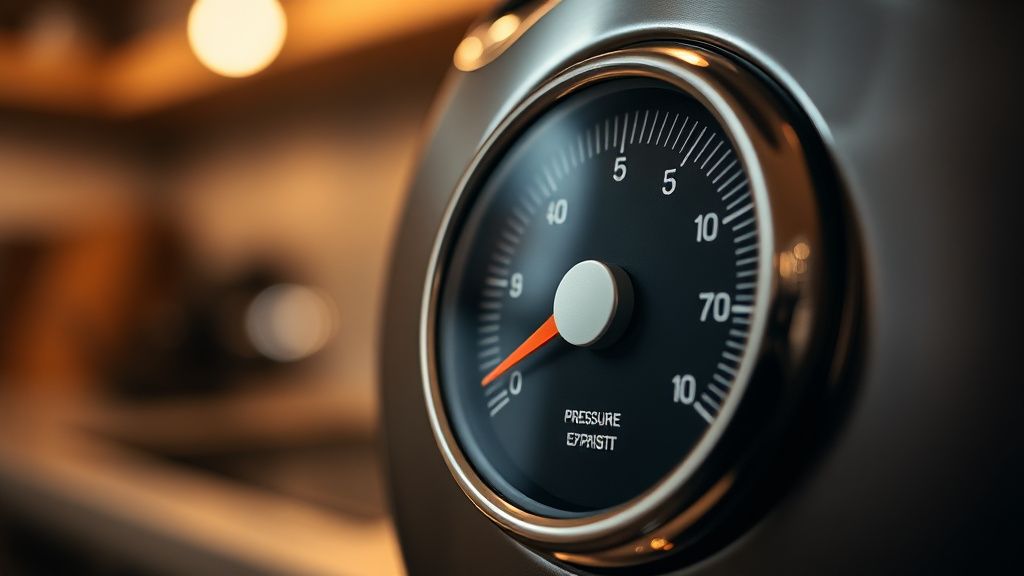
The pressure gauge on the Breville Barista Express (BES870XL) is an analog manometer linked directly to the hydraulic line exiting the vibration pump, a level of precision engineering also seen in how space technology is transforming the global economy at https://gunesed.com/en/article/space-technology-and-its-impact-on-the-economy. When it fails to register pressure during an extraction, it signifies a failure to achieve "backpressure." This means either the water is not reaching the group head under sufficient force, the gauge itself is blocked by scale buildup, or the system is losing pressure through a bypass or internal leak before it ever reaches the coffee puck. It is a critical diagnostic tool; when it remains at zero, the machine is functionally unable to create the resistance required for true espresso extraction, similar to how troubleshooting common household appliances requires a specific guide like https://parmen.net/en/article/shark-iq-robot-err-6-repair-business-guide-61972.
Belirtileri (Symptoms)
- Zero Needle Movement: Even with a fine grind and a heavy tamp, the needle remains pinned to the bottom of the gauge.
- The "Hollow" Sound: The pump makes a significantly louder, more hollow, or "rattling" sound compared to its usual deep, rhythmic hum.
- Dry or Wet Pucks: You either get no espresso at all (choked machine) or a watery, sour liquid that lacks crema.
- Water Bypass: Water flows from the group head but with zero visible resistance or pressure build-up.
- Apparent Steam Power: Steam function might still work (as it uses the thermocoil/thermablock) while the pump fails to brew, confirming a localized pump or solenoid issue.
Olası Nedenler (Possible Causes)
- Air Lock (The Most Common Culprit): If the machine has sat idle for weeks, or the tank ran completely dry, an air pocket enters the vibration pump, which is a common maintenance headache similar to those addressed in the guide on how to fix a Gaggia coffee machine with no water flow at https://parmen.net/en/article/gaggia-no-water-flow-repair-guide-40398. These pumps are designed to move water, not air, and they will run indefinitely without creating pressure if "air-bound."
- Solenoid Valve Obstruction: The three-way solenoid valve is the "traffic controller" of the machine. If a piece of scale or coffee grit blocks the orifice, it prevents the pressure from building in the group head.
- Vibration Pump Failure: The ULKA vibration pump is a wear-and-tear item. After 3,000–5,000 shots, the internal plastic piston or spring can fail.
- Clogged Capillary Tube: The tiny tube feeding the pressure gauge can become blocked by calcium carbonate (limescale) if the user has neglected descaling cycles.
- OPV (Over-Pressure Valve) Failure: If the OPV is stuck in an "open" position, it sends all the water back to the tank instead of the group head.
Quick Fixes (Hızlı Çözümler)
- The Priming Routine: Remove the water tank. Use a turkey baster or a large syringe filled with water to force water directly into the intake valve at the bottom of the machine. Reinsert the tank and try to run the pump again.
- Descaling Cycle: Run a full, aggressive descaling cycle with a high-quality citric acid-based descaler. Many "pressure" issues are actually just scale buildup in the flow path.
- Hot Water Flush: Run the hot water wand for 20-30 seconds. This forces water through a different path and can often "burp" the pump, clearing a minor airlock without opening the machine.
Advanced Fixes (İleri Düzey Çözümler)
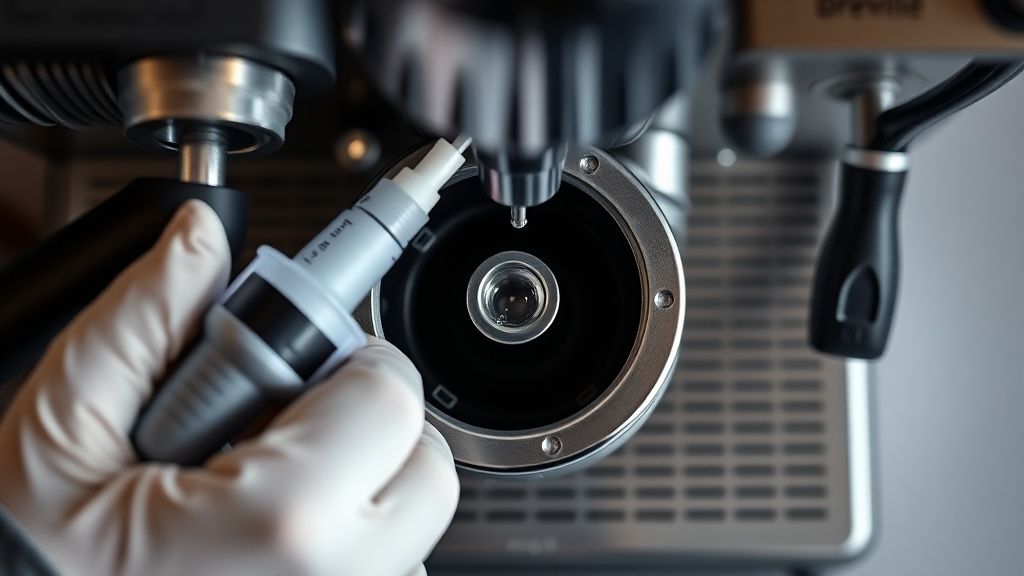
If the quick fixes fail, you are entering the territory of a professional repair business, where you might also consider expanding into the professional home services sector, such as addressing the 2026 EV infrastructure surge in the electrical industry as detailed at https://havamsu.com/en/article/scaling-electrical-business-ev-charger-upgrades-20-96246. First, unplug the machine and remove the top panel (six screws).
Step 1: Inspecting the Pump Check the vibration pump. If the pump sounds incredibly loud and tinny, it is likely sucking air. Check all silicone hoses for cracks or loose clamps. If the hoses are tight, the pump's internal check valve has failed. Replace the ULKA pump—it is a $40 part that restores a $700 machine.
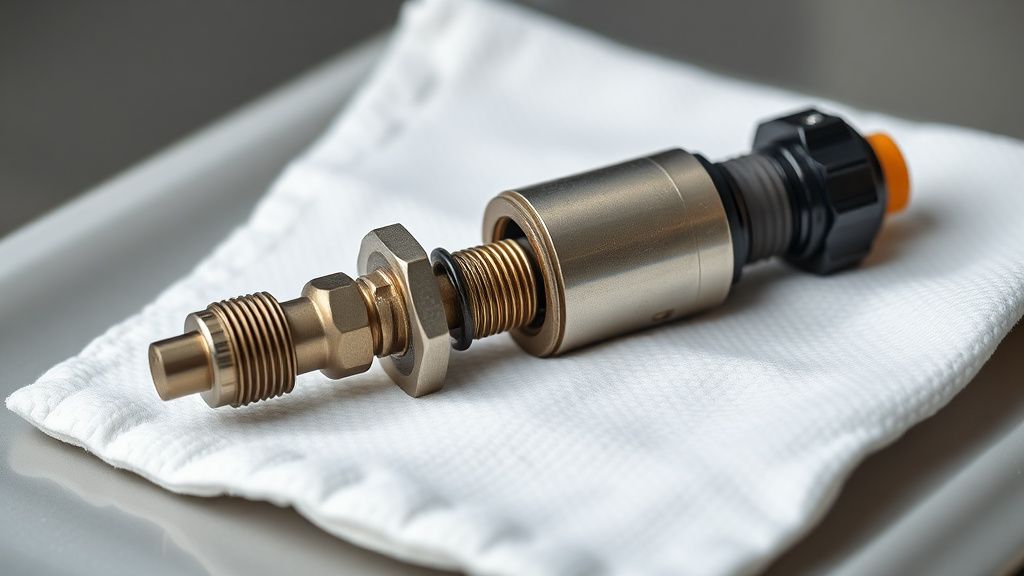
Step 2: The Solenoid Cleanse The solenoid valve sits behind the group head assembly. Remove the electrical connectors, unscrew the solenoid from the brass manifold, and disassemble it. You will likely find a "pebble" of scale or coffee grounds holding the plunger open. Clean it with vinegar, reassemble, and test.
Step 3: The Capillary Check If the machine builds pressure (you can feel the pump strain) but the gauge doesn't move, the capillary tube leading to the gauge is blocked. Unscrew the fitting at the gauge and use a small gauge wire to clear the obstruction.
Factory Reset (Fabrika Ayarlarına Döndürme)
While the Barista Express is largely mechanical, the electronic controller (PID/flow meter) can sometimes glitch. To reset:
- Turn the machine off.
- Hold down the Program button and the Two-Cup button simultaneously.
- While holding these, press the Power button.
- The machine will flash its lights; release the buttons. The machine is now factory calibrated for flow-meter volume and temperature.
When to Replace (Ne Zaman Yenisiyle Değiştirilmeli?)
Know when to walk away. You should consider the machine a "donor unit" if:
- Thermocoil Breach: If the main heating element has an internal leak (evidenced by water leaking from the internal electrical components), the repair cost for parts and labor will exceed $300.
- Main PCB Failure: If the board is fried (burnt smell, non-responsive buttons, flickering display), the board cost is prohibitively high.
- Frame Corrosion: If the internal chassis is heavily rusted due to long-term leaks, the structural integrity is compromised.
At this point, stripping the machine for parts (portafilter, steam wand, pump, solenoid) and selling them individually on secondary markets is more profitable than fixing the main unit.
FAQ
Is it safe to use the machine if the gauge isn't moving?
Can I upgrade my pump to get better espresso?
How do I prevent this from happening again?
Can I really make money fixing these?
Real Field Reports (Gerçek Saha Raporları)
In my experience running a small-scale repair shop, I’ve seen 40% of "dead" machines actually suffer from a simple airlock caused by a failed water tank O-ring. A $0.50 replacement O-ring often turns a $600 loss into a $400 profit. Conversely, I once spent six hours chasing a ghost—a faulty flow meter that looked perfectly fine but was failing intermittently. Lesson: Always check the flow meter pulses in your diagnostic mode before tearing down the hydraulics.
Counter-Criticism/Debate (Karşılıklı Eleştiri)
There is a segment of the coffee community that claims Breville machines are "disposable." Critics argue that because Breville uses proprietary parts, they design the machines to be replaced rather than repaired. While it is true that they aren't as "hackable" as a classic E61 group head machine, this is a narrow view. The Barista Express is highly modular. By refusing to buy into the "disposable" narrative, you contribute to a circular economy, reducing e-waste and proving that with a few screwdrivers and a multimeter, these machines can last a decade. The industry needs more repair, not more replacements.