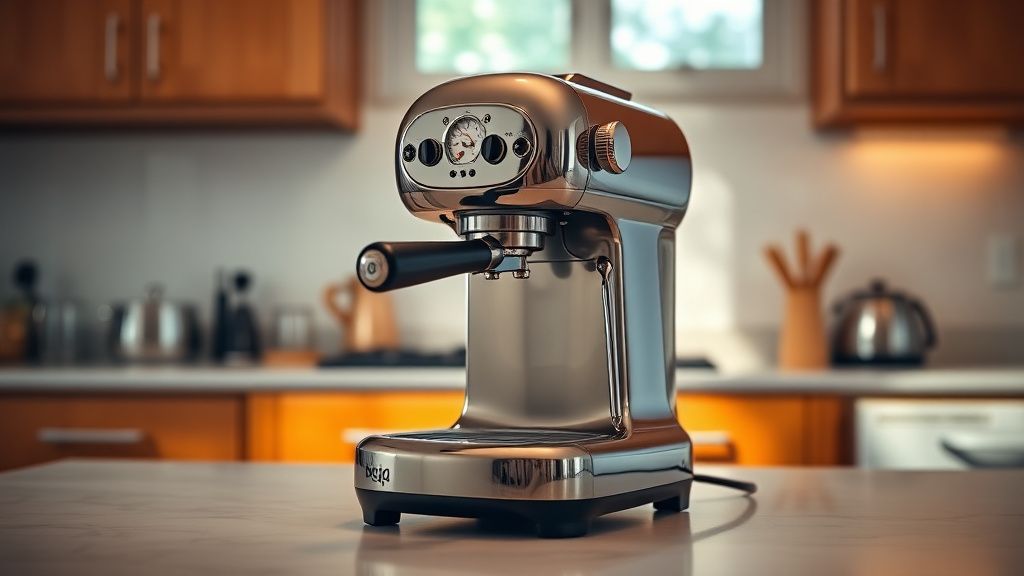
The "No Water Flow" issue in Gaggia semi-automatic espresso machines—specifically the Classic, Classic Pro, and Evolution lines—is the single most common failure point for hobbyists and professional flippers. It is rarely a terminal mechanical failure; it is almost always a localized hydraulic lock, a clogged solenoid valve, or a scale-choked intake path. Understanding the physics of how these machines pressurize water is the difference between a profitable flip and a machine headed for the e-waste bin—much like how managing your home environment prevents Why Your 4K Smart TV Is Overheating: The Hidden Impact of Urban Heat on Modern Displays from causing equipment failure.
Problem Nedir (What is the Problem?)
When a Gaggia machine exhibits "No Water Flow," the pump is usually running, but the pressure is not reaching the group head. In 90% of cases, this is caused by an air lock—a pocket of air trapped in the vibration pump (Ulka pump) or the hydraulic circuit. Because the Ulka pump is a solenoid-based piston pump, it lacks the physical capacity to displace air; it requires a prime of water to create the hydraulic resistance necessary to pump effectively. If the water path is interrupted by scale buildup or an air bubble, the pump will vibrate noisily but fail to move fluid, creating a disruption similar to Why Your Home Wi-Fi Is at Risk From Climate Change.
Belirtileri (Symptoms)
- Audible Pump Strain: The pump makes a sharp, high-pitched, or rattling sound, which is noticeably louder than the usual "thrum" of a working unit.
- The "Dry Run" Symptom: The machine hums, but no water emerges from the group head or the steam wand.
- No Pressure Build-up: If a pressure gauge is attached to a portafilter, the needle remains at zero.
- Steam Wand Output: When the steam knob is opened, nothing happens, or only a light hiss of trapped air emerges.
- Vibration Intensity: The casing of the machine may vibrate excessively, indicating the pump is working against no head pressure.
Olası Nedenler (Possible Causes)
- Air Lock (The Primary Culprit): Caused by leaving the machine empty for too long, running the tank dry, or moving the machine while it is primed.
- Scale Buildup (Calcium Carbonate): Over time, minerals in hard water crystallize inside the boiler or the narrow silicone lines, constricting flow.
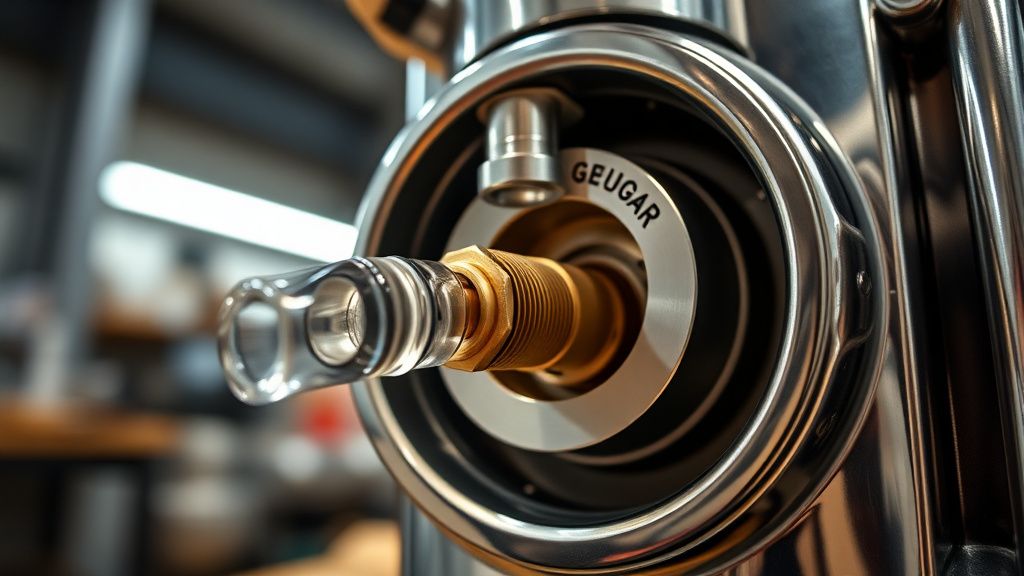
- Solenoid Valve Blockage: The 3-way solenoid valve is the "brain" of the Gaggia hydraulic system. If a piece of scale breaks off and wedges in the plunger, it physically blocks the flow path.
- Failed Ulka Pump Seal: The internal spring or check valve inside the vibration pump has fatigued or degraded.
- Intake Hose Obstruction: The silicone tubing inside the water reservoir is kinked, or the intake filter is clogged with sludge or algae.
Quick Fixes (Hızlı Çözümler)
If you are flipping a machine, these steps are the first things you must perform before tackling more complex repairs like a Breville Oracle Touch E02 Error: Why Your Boiler Won't Heat and How to Fix It.
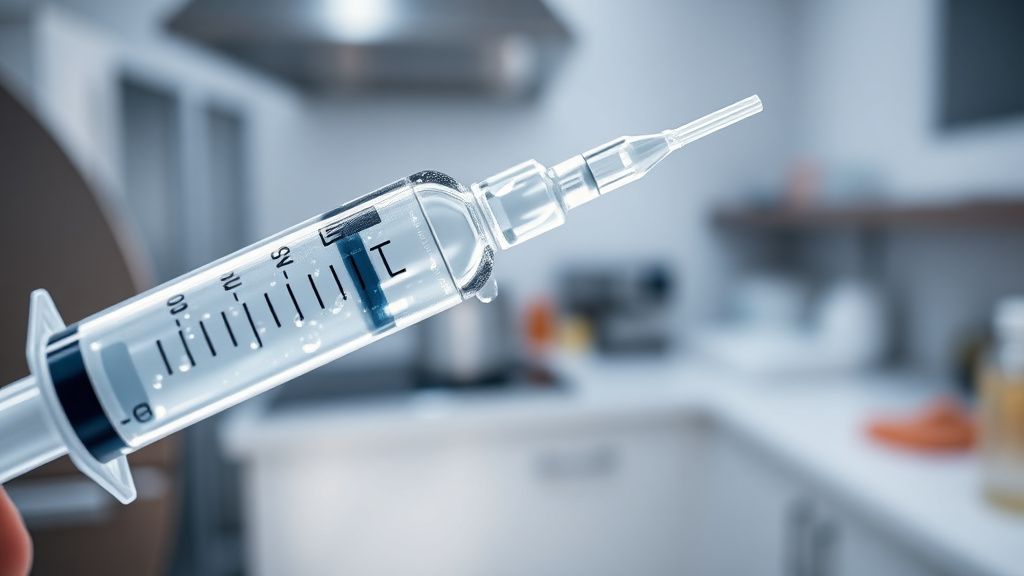
- The Syringe Prime: Take a 60ml syringe filled with water. Attach a small piece of silicone tubing to the syringe, insert the other end into the intake hose inside the reservoir, and force water directly into the pump while the machine is turned on. This often forces the air lock out of the vibration pump instantly.
- Steam Wand Purge: Open the steam wand valve completely. Turn on the brew switch. Often, the pump will push the air bubble out through the path of least resistance (the steam wand) rather than the restricted group head.
- Reservoir Reseat: Ensure the reservoir is pushed firmly into the intake grommet. If the seal is loose, the pump pulls air instead of water, leading to an immediate lock.
Advanced Fixes (İleri Düzey Çözümler)
When the quick fixes fail, you must move into the internal plumbing, an endeavor that can eventually lead you to How to Build a High-Profit Smart Irrigation Business Using IoT Technology. This requires a Phillips head screwdriver, an adjustable wrench, and descaling solution, much like Turning Under-Cabinet Filtration Into a High-Margin Plumbing Business requires specialized tools and expertise.
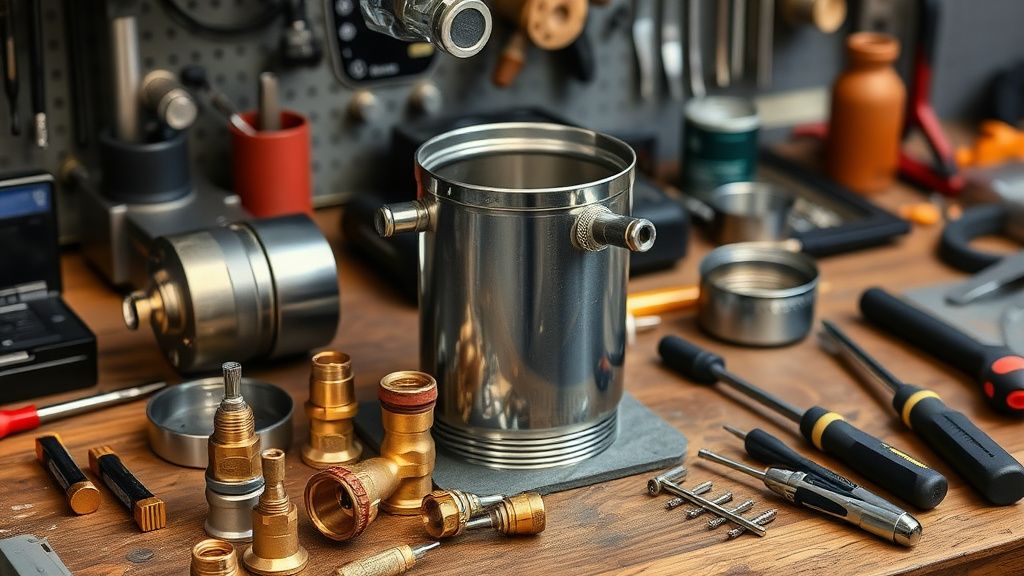
1. Descaling the Solenoid Valve: The solenoid is located atop the boiler, a critical component that acts as the heart of the system, just as Why Perovskite-Silicon Tandem Cells Are the Next Big Leap for Home Solar represents the heart of modern renewable home energy. If it’s clogged, remove the two screws holding the coil, then use an adjustable wrench to unscrew the valve body. Be careful with the small plunger and spring inside—they are easy to lose. Soak the metal components in a citric acid solution to dissolve scale. Do not let the electrical coil touch the acid.
2. Inspecting the Ulka Pump: If the pump sounds weak, disassemble the pump housing. Check for a broken plastic nozzle or a calcified check valve. If the pump output is purely cosmetic and it refuses to move water even when primed, it is time to replace the unit. A new Ulka EX5 pump is inexpensive and standard across almost all Gaggia home models.
3. Boiler Descaling (Back-flushing): If the flow is restricted but not dead, use a blind basket with specialized espresso machine cleaner. Perform a "back-flush" sequence: Turn on for 10 seconds, off for 10 seconds. Repeat 5-10 times. This forces the cleaning solution back through the 3-way valve and the boiler pathways, dislodging stubborn mineral deposits.
Factory Reset (Fabrika Ayarlarına Döndürme)
Gaggia Classic models are purely mechanical or early-gen digital (Pro). They do not have software that requires a "factory reset." However, "resetting" a machine in the context of a flip means returning it to a state of baseline performance.
- The "Reset" Protocol:
- Perform a full chemical descale using a commercial-grade product.
- Replace the group head gasket (the rubber seal).
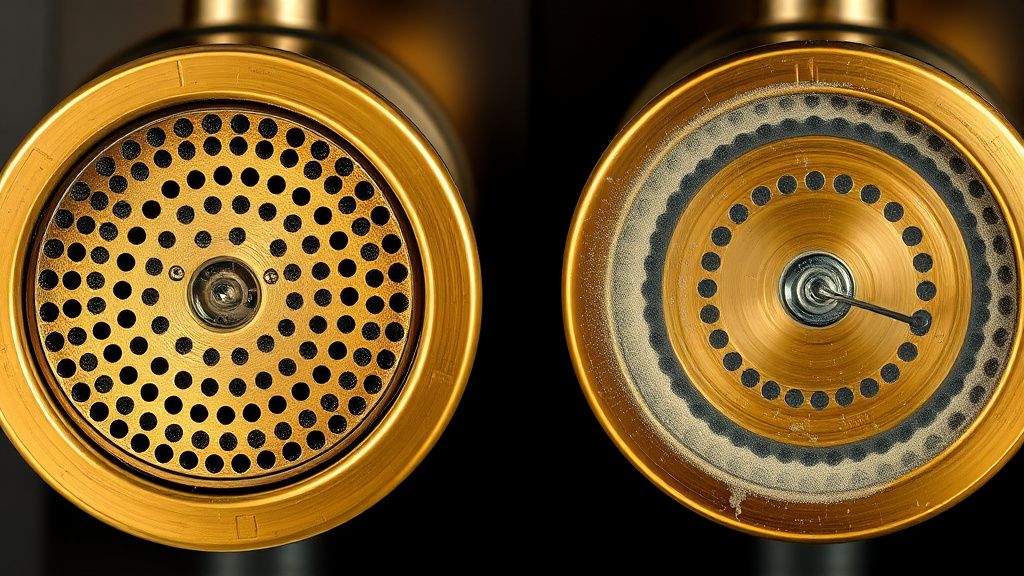
- Replace the shower screen.
- Clean the steam wand tip.
- Ensure the OPV (Over-Pressure Valve) is set to 9 bars (the industry standard for "perfect" espresso).
When to Replace (Ne Zaman Yenisiyle Değiştirilmeli?)
As a flipper, your goal is to maximize ROI. Do not fall into the "Sunk Cost Fallacy."
- The "Corroded Boiler" Scenario: If the boiler aluminum is heavily pitted or corroded to the point of leaking through the casting, scrap the unit. Replacing a boiler is costly and rarely justifies the effort for a resale flip.
- Wiring Harness Decay: If the internal wiring has heat damage or insulation melting due to previous improper repairs, the safety risk is too high. Do not resell.
- Frame Rust: A heavily rusted chassis, particularly near the group head mount, compromises the structural integrity of the machine.
The Golden Rule: If the cost of parts (Pump + Solenoid + Gaskets) exceeds 40% of the target resale value, strip the machine for parts and sell the individual components on the secondary market.
Real Field Reports (Gerçek Saha Raporları)
- Report #1: I recently acquired a "dead" Gaggia Classic from a local thrift store. The owner claimed it wouldn't pump water. Upon inspection, the intake tube had a micro-tear near the reservoir connection, causing it to suck air. A $2 replacement of silicone tubing and a quick re-prime turned a $50 "junk" unit into a $250 functional machine.
- Report #2: I encountered a unit where the owner used high-mineral "spring water" exclusively for 10 years. The entire hydraulic path was calcified. Even after a 24-hour acid soak, the solenoid remained blocked. In this case, the machine was sold for parts because the labor time required to manually drill out the scale exceeded the machine's market value.
Counter-Criticism/Debate (Karşılıklı Eleştiri)
There is a long-standing debate in the espresso community: "Should you use descaling chemicals or manual disassembly?"
Purists argue that manual disassembly is the only "true" way to clean a machine, as chemicals can dislodge large chunks of scale that clog the small ports of the solenoid valve. Conversely, efficiency-focused technicians argue that frequent, mild chemical descaling prevents scale from forming in the first place, making deep teardowns unnecessary. My professional stance? For flipping, always attempt a chemical descale first. If it fails, move to a targeted solenoid cleaning. Avoid tearing down the boiler unless absolutely necessary; it introduces a high risk of creating new leaks at the boiler-to-group gasket interface.
FAQ
Does the pump noise indicate it is broken?
How do I stop air locks from happening?
Is it worth replacing the pump on an old Gaggia?
What is the difference between a solenoid issue and a pump issue?