The blinking white light on your Ring Video Doorbell Pro is almost exclusively a voltage issue. It signifies that the device is not receiving the required 16-24 VAC (Volts Alternating Current) from your existing doorbell transformer. In 90% of cases, upgrading your transformer to a 30VA unit resolves power issues immediately, much like how property managers are now outsourcing dishwasher diverter repairs to boost ROI for their rental units, as detailed in this guide: https://havamsu.com/en/article/monetize-dishwasher-diverter-motor-replacements-pr-73021.
Problem Nedir (What is the Problem?)
The Ring Video Doorbell Pro is a power-hungry device, requiring careful electrical management similar to how one might fix a Shark IQ Robot Error Code 14 to avoid motor issues, which you can learn about here: https://parmen.net/en/article/shark-iq-robot-error-code-14-repair-guide-71155. Unlike the battery-operated models, the "Pro" version requires a constant, steady stream of power to maintain its Wi-Fi connection, process high-definition video in real-time, keep the infrared sensors active for night vision, and engage the internal chime circuit. When you see the white light blinking (often in a pulsing or rotating pattern), the Ring device is essentially "starving."
The internal capacitor is unable to maintain a charge sufficient to keep the device fully booted. When the Wi-Fi chip attempts to ping the router or when the camera triggers a motion event, the power draw spikes. If the transformer cannot handle this sudden surge, the voltage drops, the doorbell reboots, and the cycle repeats. This is not a hardware defect of the Ring itself, but a bottleneck in your home’s electrical infrastructure; troubleshooting these specific home technical issues is a valuable skill, akin to knowing how to fix your Nespresso Vertuo red light to turn repair efforts into profit: https://parmen.net/en/article/monetizing-nespresso-vertuo-red-light-repair-60105.
Belirtileri (Symptoms)
Beyond the blinking white light, users report a cascade of performance failures that point directly to power starvation:
- Offline Loops: The device shows as "Offline" in the Ring app, followed by a "Reconnecting" status, only to drop again five minutes later.
- Failed Live View: Attempting to trigger a live stream causes the white light to blink frantically, followed by a failed connection error.
- Non-functional Chimes: The mechanical doorbell chime may hum, buzz, or simply fail to ring when the button is pressed.
- Loss of Night Vision: During low-light conditions, the IR LEDs draw more power. If the transformer is weak, the device may toggle between day and night mode constantly, creating a "flickering" video feed.
- Motion Alert Delays: Because the device is cycling power, motion events are missed entirely because the hardware was in a "boot sequence" when the person was at the door.
Olası Nedenler (Possible Causes)
- Underpowered Transformer: Most legacy doorbells utilize 10VA (Volt-Ampere) transformers. The Ring Pro requires at least 16VA, with 30VA being the industry standard for stable performance.
- Voltage Drop over Long Wire Runs: If your doorbell wire is long and thin (22-24 gauge), resistance accumulates over distance. A 16V transformer at the source might only deliver 13V at the doorbell, triggering the error.
- Corroded Connections: Oxidation on the wiring at the transformer or the doorbell mounting bracket increases impedance, choking the flow of current.
- Incompatible Chime Kits: If your home uses an electronic chime or a specialized digital chime, the power-sharing module (Pro Power Kit) may be incorrectly installed, causing a short or an unstable load.
- Wi-Fi Interference: While not a power issue directly, a weak Wi-Fi signal forces the Ring's radio to increase transmission power, which creates a higher power load on an already taxed transformer.
Quick Fixes (Hızlı Çözümler)
Before calling an electrician, try these quick interventions, which represent the same proactive approach needed when fixing other smart home devices, such as addressing an Alexa pulsing red ring: https://parmen.net/en/article/alexa-unresponsive-pulsing-red-ring-troubleshootin-42963.
- The Power Cycle: Remove the doorbell from its mounting bracket and disconnect the wiring for 60 seconds. This allows the internal capacitor to fully discharge and reset the logic board.
- Tighten the Terminal Screws: On the back of the doorbell, ensure the wiring screws are tight. Even a slight wiggle can lead to high resistance.
- Check the Pro Power Kit: If you installed the white square module (Pro Power Kit) inside your mechanical chime, ensure the wires are seated firmly in the terminals. If it's loose, you will experience intermittent power delivery.
- Wi-Fi Optimization: Move your router closer to the front door or install a Wi-Fi Extender to reduce the radio power consumption of the Ring.
Advanced Fixes (İleri Düzey Çözümler)
If the quick fixes fail, you are looking at a hard-infrastructure upgrade.
1. The Transformer Upgrade (The "Gold Standard")
You must swap your existing doorbell transformer for a high-output model. Look for a transformer rated for 16VAC to 24VAC and at least 30VA.
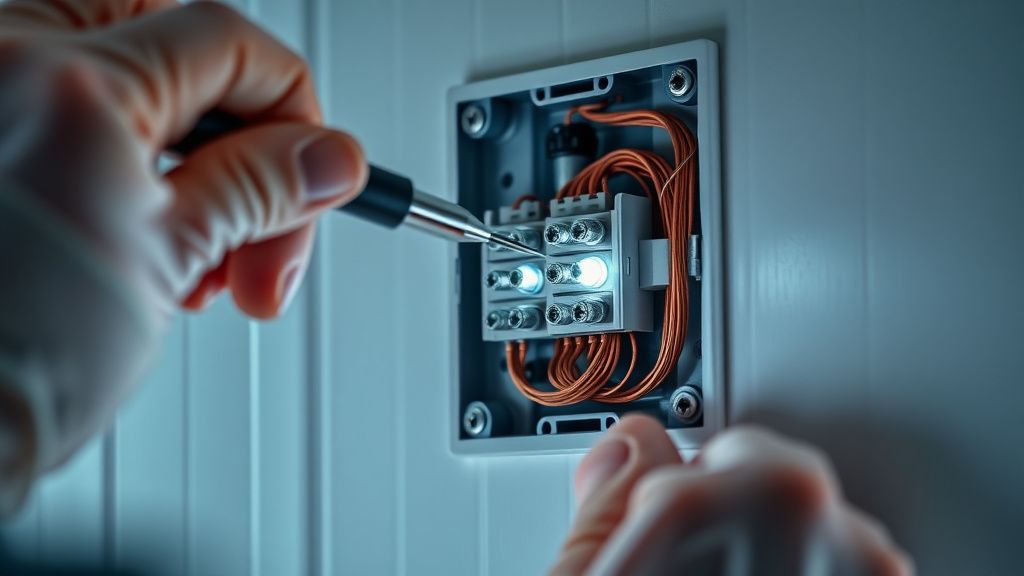
- Step 1: Locate your existing transformer (usually near your circuit breaker panel, in the attic, or inside the garage near the chime).
- Step 2: Turn off the circuit breaker dedicated to the doorbell.
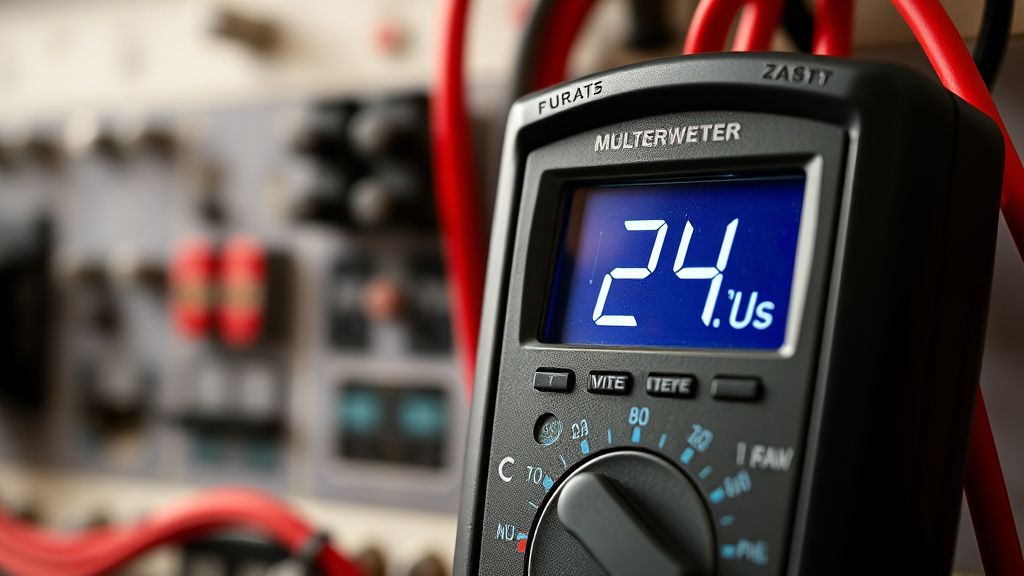
- Step 3: Use a multimeter to verify no current is present.
- Step 4: Label your wires, disconnect the old unit, and install the new transformer.
- Step 5: Reconnect and restore power.
2. Voltage Drop Correction
If you have measured the voltage at the doorbell and it is under 16V even with a new transformer, you have a wire gauge issue. You may need to bypass old internal wiring by running a new, thicker 18-gauge wire (low-voltage doorbell wire) directly from the transformer to the door.
3. The Pro Power Kit Bypass
Some older digital chimes simply cannot work with the Ring Pro. If you have an electronic chime, bypass it entirely using the "direct power" setting in the Ring app and wire the transformer directly to the doorbell. This removes the chime resistance from the loop.
Factory Reset (Fabrika Ayarlarına Döndürme)
If you have upgraded the power and the device still exhibits erratic behavior, a factory reset is necessary to clear out persistent firmware errors.
- Locate the small button on the side of the Ring Video Doorbell Pro.
- Press and hold this button firmly for 20 full seconds.
- Release the button. The doorbell will enter "Setup Mode," signaled by a spinning white light.
- Once in setup mode, use the Ring app to re-add the device as if it were brand new. Note: This will erase all saved motion zones and notification settings.
When to Replace (Ne Zaman Yenisiyle Değiştirilmeli?)
There is a point of diminishing returns. You should consider a replacement if:
- The Internal Capacitor is Leaking/Swelling: If you remove the device and notice a chemical smell or physical bulging on the backplate, the hardware is damaged and represents a fire hazard.
- Motherboard Corrosion: If you see white or blue-green "crust" on the internal circuit board (often from water ingress), the device is a paperweight.
- The "Boot Loop" persists after a 30VA Upgrade: If you have verified 24V at the doorbell terminals and the device still power-cycles, the internal voltage regulation circuitry is fried. Spending money on further repairs is futile; purchase a new unit.
Real Field Reports (Gerçek Saha Raporları)
Case Study A: A homeowner in a 1970s suburban home struggled with the Ring Pro for months. The device would blink white whenever the doorbell button was pressed. After swapping a 10VA transformer for a 30VA unit, the chime worked, but the device still dropped. Investigation revealed the homeowner had run the doorbell wire through an uninsulated attic where the heat was degrading the wire's conductivity. Replacing the wire solved the issue permanently.
Case Study B: A user attempted to wire two Ring Pros to a single 16VA transformer. This is a classic "power budget" error. Total demand exceeded the transformer's capacity. By upgrading to a 40VA transformer, the system stabilized, proving that "VA" is not just a suggestion—it is a critical calculation of total system load.
Karşılıklı Eleştiri (Counter-Criticism/Debate)
There is significant industry debate regarding the "Pro Power Kit." Critics argue that Ring’s requirement for this bridge module is an admission of design inefficiency. Electronic engineers often point out that if the Ring Pro had a larger internal battery buffer, the transformer voltage would be irrelevant. By relying on "live" power, Ring forces consumers into complex electrical work that often exceeds the DIY capability of the average homeowner. Proponents, however, argue that this design allows for a much thinner, more aesthetically pleasing form factor that battery-powered alternatives cannot match.