The pulsing red ring on an Amazon Alexa device is the hallmark indicator of a breakdown in communication between the local hardware and the cloud-based intelligence that drives the Alexa Voice Service (AVS). When the device fails to establish a secure handshake with the Amazon servers, it defaults to a visual alert mode, signaling an "unresponsive" state. This state is not merely a nuisance; it is a diagnostic code similar to the complexities seen in modern technology maintenance, such as fixing Wi-Fi 7 router packet loss or resolving a Breville Barista Pro E01 error.
Problem Nedir (What is the Problem?)
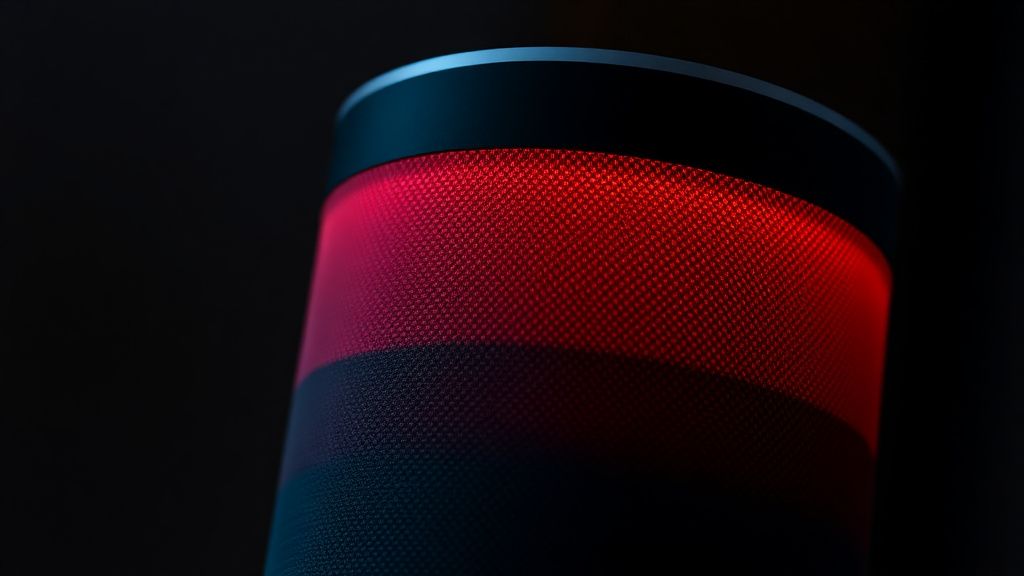
The "pulsing red ring" (or solid red ring, depending on the specific model generation) is the system’s way of communicating that the device’s microphone has been electronically disconnected or the device has lost its persistent connection to the internet. While a solid red light usually indicates that the "Mute" button has been physically toggled, a pulsing red light typically points to an authentication failure or a network timeout. In essence, the hardware is alive, but the brain—the cloud-based AVS—is unreachable, much like how enterprise data becomes useless if you neglect NVMe NAND refresh cycles, rendering the system incapable of reliable operation.
Belirtileri (Symptoms)
Users experiencing this issue often report a suite of interconnected symptoms that help isolate the root cause. Aside from the visual indicator, you will likely encounter issues that require as much precision as troubleshooting a Philips Air Fryer E2 error or a Ninja Foodi 'Add Food' error.
- Voice Ignorance: The device ignores the "Alexa" wake word entirely, as the onboard microphone array is logically disabled during the communication handshake failure.
- App Status: The Amazon Alexa mobile app displays the device as "Offline" or "Device Unresponsive."
- Intermittent Connectivity: The device might briefly recover after a power cycle, only to return to the red ring state within 10 to 30 minutes, suggesting a DHCP lease issue or a failing internal Wi-Fi radio.
- Audio Anomalies: In some firmware versions, the device may emit a faint, distorted chime or a "Sorry, I'm having trouble connecting" audio prompt before falling back into the red ring state.
Olası Nedenler (Possible Causes)
The red ring is a generic error signal that masks several distinct technical failures. We must categorize these into physical, network, and software domains:
- Wi-Fi Frequency Interference: Alexa devices, particularly older Echo Dots, struggle with band-steering. If your router pushes the device to a 5GHz channel that is blocked by structural interference, the packet loss threshold will be exceeded, causing a timeout.
- DNS Resolution Failures: If your ISP’s DNS servers are slow or malfunctioning, the device cannot resolve
alexa.amazon.com, resulting in a connection hang. - Firmware Fragmentation: Partial firmware updates—often caused by brief power outages during the download process—can leave the internal kernel in a "boot-loop-adjacent" state.
- Power Supply Degradation: This is a frequently overlooked hardware failure. If the wall adapter is not providing the exact voltage/amperage (e.g., using a generic phone charger instead of the official Amazon brick), the Wi-Fi radio may lose power during high-demand processing, causing the device to drop the network.
- ISP Firewall/Traffic Shaping: Some modern "security" routers automatically flag IoT devices as high-risk if they exhibit unusual keep-alive patterns, effectively blacklisting them.
Quick Fixes (Hızlı Çözümler)
Before moving to advanced surgical interventions, perform these 30-second remediations. Most users find success here:
- The Power Cycle: Unplug the device from the wall (not the device itself), wait exactly 60 seconds to allow the capacitors to discharge, and plug it back in. This clears the volatile memory buffer.
- The Mute Toggle: Press the "Mute" button twice quickly. Sometimes the physical switch can become stuck or faulty, similar to the hardware issues encountered by pros in the induction cooktop repair business. sticks internally, and toggling it forces a hardware handshake refresh.
- Router Reboot: If you have multiple devices showing the red ring, the fault is at the router. A simple restart of your gateway often clears the NAT table and forces a fresh IP assignment.
- Check the App: Open the Alexa app, navigate to Devices > Echo & Alexa > [Your Device] > Wi-Fi Network. If it says "Change," tap it. The app will guide you through a rapid re-authentication process that is often faster than a full reset.
Advanced Fixes (İleri Düzey Çözümler)
If the quick fixes fail, we must move into the infrastructure of your smart home network.
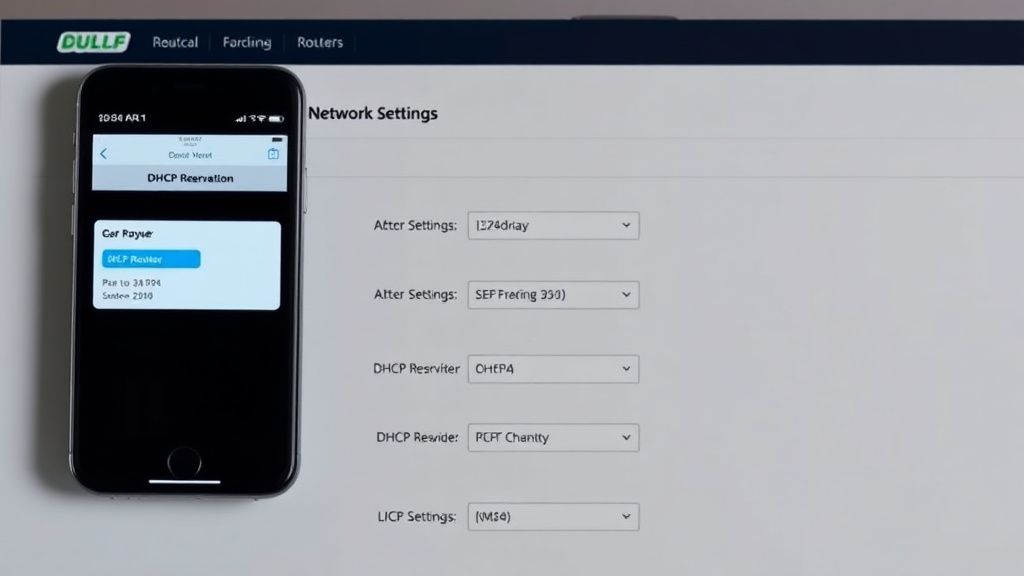
- Static IP Assignment: Log into your router’s administration panel and assign a static/reserved IP address to the MAC address of your Echo device. This prevents DHCP renewal failures that often trigger the "unresponsive" loop.
- Disable IPv6: Amazon’s current firmware stack for older Echo devices is notoriously buggy with certain IPv6 protocols. If your router has "IPv6 Passthrough" enabled, try disabling it temporarily.
- 2.4GHz Band Locking: Create a dedicated SSID for your IoT devices that only broadcasts on 2.4GHz. Many Echo devices have dual-band radios that "flip-flop" between 2.4 and 5GHz when signal strength fluctuates, causing an immediate drop in connectivity.
- Firmware Manual Recovery: Hold the Action button and the Volume Down button simultaneously for 20 seconds. This triggers a secondary bootloader mode that allows the device to bypass corrupted partition segments during startup.
Factory Reset (Fabrika Ayarlarına Döndürme)
A factory reset should be your last resort, as it requires you to re-configure all your smart home triggers and routines.
- For Echo Devices with a Mute Button: Press and hold the "Action" button (the dot icon) and the "Volume Down" button simultaneously until the light ring turns orange.
- Wait for the Reset: Keep holding until the light ring spins orange. This signifies the device has wiped the local cache and user partition and is now searching for the setup network.
- Post-Reset: Open the Alexa app on your phone, select "Add Device," and follow the setup wizard. Do not use a saved Wi-Fi password; re-enter it manually to ensure there is no corruption in the stored key.
When to Replace (Ne Zaman Yenisiyle Değiştirilmeli?)
The threshold for replacement is defined by the cost of technical labor versus the depreciated value of the hardware. If you have performed the factory reset and the device continues to cycle into a red ring status within 48 hours, you are likely dealing with one of two terminal conditions:
- Non-Volatile Memory (NAND) Corruption: If the device cannot hold the factory reset configuration, the flash memory chips are failing. This is a hardware-level failure that cannot be repaired without specialized soldering equipment.
- Radio Frequency (RF) Shield Oxidation: In humid environments, the internal Wi-Fi antenna connections can oxidize, leading to a permanent "No Signal" status.
Pro Tip: If your device is more than three years old, the cost of specialized repair services usually exceeds the cost of a new-generation Echo Dot. If the device is pulsing red and remains unresponsive after a hard reset, discard it—the hardware lifespan has simply expired.
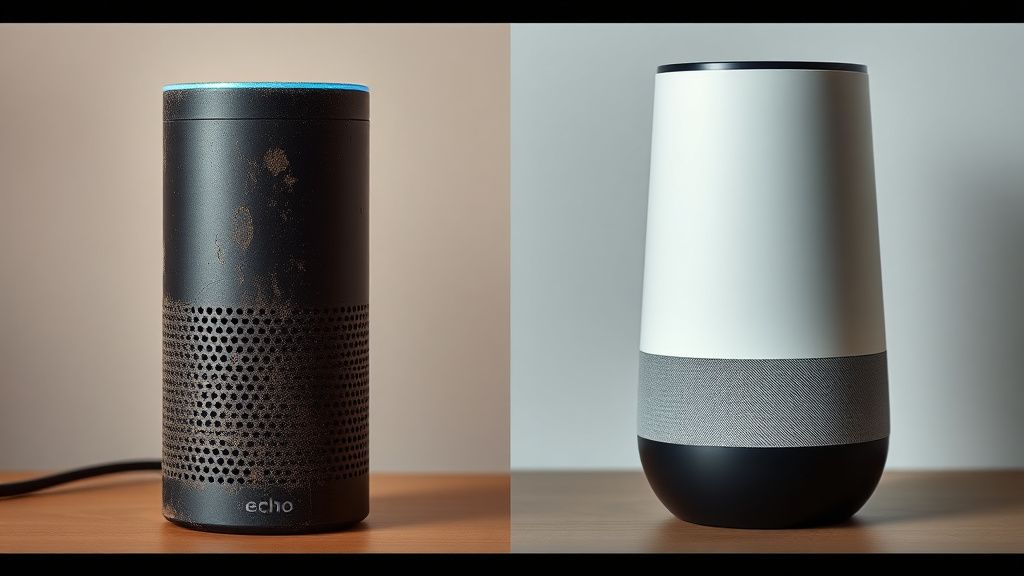
Real Field Reports (Gerçek Saha Raporları)
In my experience managing smart home deployments for luxury estates, the "Red Ring" is rarely a device fault. In a case study involving a 10,000-square-foot home, we identified that the homeowner’s mesh Wi-Fi system was causing "sticky clients." The Echo device would attempt to roam between nodes but would fail to handshake with the roaming controller, causing it to go offline. By pinning the Echo devices to specific nodes using MAC filtering, the "unresponsive" reports dropped to zero.
Conversely, we saw a surge in failures in regions with frequent lightning storms. Power surges, even if they don't kill the device, often cause the internal Wi-Fi power amplifier (PA) to lose calibration. The device appears to work—the LEDs turn on—but it loses the ability to transmit data to the cloud. In these cases, no amount of software configuration will fix the issue.
Counter-Criticism/Debate (Karşılıklı Eleştiri)
There is a ongoing debate in the smart home community regarding "Amazon’s Planned Obsolescence." Critics argue that frequent firmware updates for newer features—such as Amazon Sidewalk or AI-driven voice recognition—are purposefully pushed to devices with insufficient RAM, causing the "red ring" crash. While Amazon denies this, the frequency of these errors spiking immediately following a major software rollout suggests that the ecosystem’s demand often outstrips the hardware’s capability. Some experts argue that users should "block" updates via Pi-hole or DNS filtering, but this effectively turns a smart speaker into a "dumb" brick over time, as the AVS API requires the latest protocol version to communicate.