Descaling a Keurig can often trigger a "Descaling Mode" loop that refuses to clear, effectively bricking the machine for the average user, though for those looking to master these repairs, our Keurig Stuck in Descaling Mode? Here’s the Expert Reset Fix provides the essential steps to resolve it. This occurs when the internal flow sensor or needle assembly is clogged with mineral buildup or debris, preventing the software from confirming the rinse cycle. By performing a manual needle reset and clearing the flow sensors, you can resolve these "unresponsive" units, which is a great skill for those who also want to build a profitable business fixing Roborock S7 LiDAR motors or other popular household appliances.
Problem Nedir (What is the Problem?)
The "Descale" light flashing is a software-enforced maintenance prompt. When a Keurig detects that a certain number of brew cycles have passed, it locks into descaling mode. The problem arises when the internal flow meter—a small turbine-like sensor—fails to report water movement because of calcification or a clogged exit needle. Because the machine cannot "see" the water passing through, it assumes the descaling process hasn't finished, trapping the user in an infinite loop of flashing lights and unresponsive buttons.
Belirtileri (Symptoms)
- The Eternal Flash: The "Descale" light remains illuminated or flashes even after multiple vinegar or solution cycles.
- Brew Denial: The brew button does not respond; the machine refuses to heat or pump water, as it is in a software-locked state.
- Low Flow/No Flow: The machine makes a distinct buzzing or clicking sound, followed by silence, indicating the pump is working against a blockage.
- "Add Water" False Positives: The machine demands water even when the reservoir is full, often due to a stuck float magnet or flow sensor debris.
Olası Nedenler (Possible Causes)
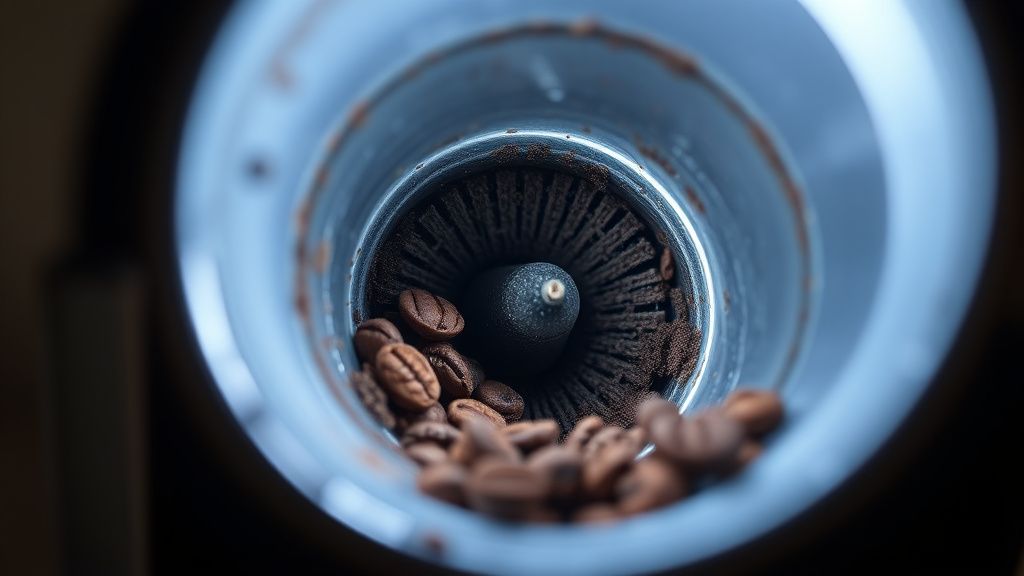
- Calcified Flow Sensor: The Hall-effect flow meter inside the machine relies on a tiny impeller. If calcium carbonate buildup impedes this, the CPU registers zero flow.
- Needle Impaction: Compressed coffee grounds or scale flakes blocking the exit needle create backpressure that the internal pump cannot overcome.
- Software State Mismatch: A power interruption during a descaling cycle can corrupt the internal logic state, causing the board to hang.
- Bad Thermistor: A failing temperature sensor may prevent the machine from reaching the target temperature required to trigger the "end of cycle" confirmation.
- Vacuum Lock: Air pockets in the internal tubing (common after descaling) prevent the pump from priming.
Quick Fixes (Hızlı Çözümler)
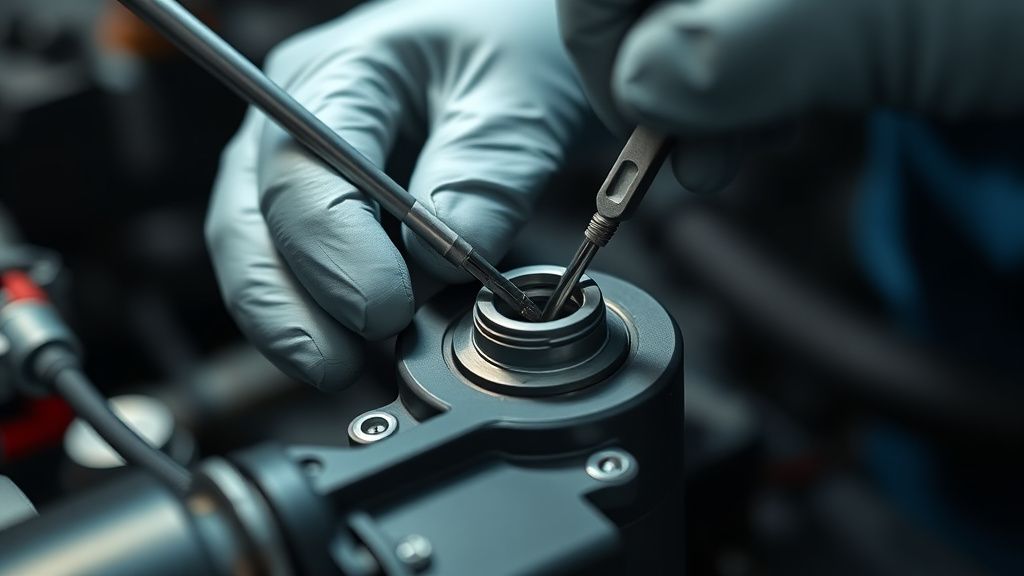
- The Needle Clear: Unplug the machine. Use a straightened paperclip to gently probe the exit needle (the one that punctures the K-Cup bottom) to dislodge grounds.
- The Magnetic Float Reset: Remove the water reservoir. Check the small plastic float inside. Use a magnet to move it up and down; if it’s stuck, the machine thinks it’s empty.
- Power Cycle: Unplug the machine for 60 minutes. Hold the "Brew" button for 30 seconds while the unit is unplugged to drain the capacitors on the motherboard.
- The "Turkey Baster" Prime: If the pump is airlocked, use a turkey baster or large syringe to force water directly into the intake valve at the bottom of the reservoir seat to clear air bubbles.
İleri Düzey Çözümler (Advanced Fixes)
When the quick fixes fail, you must perform a "hard" manual intervention.
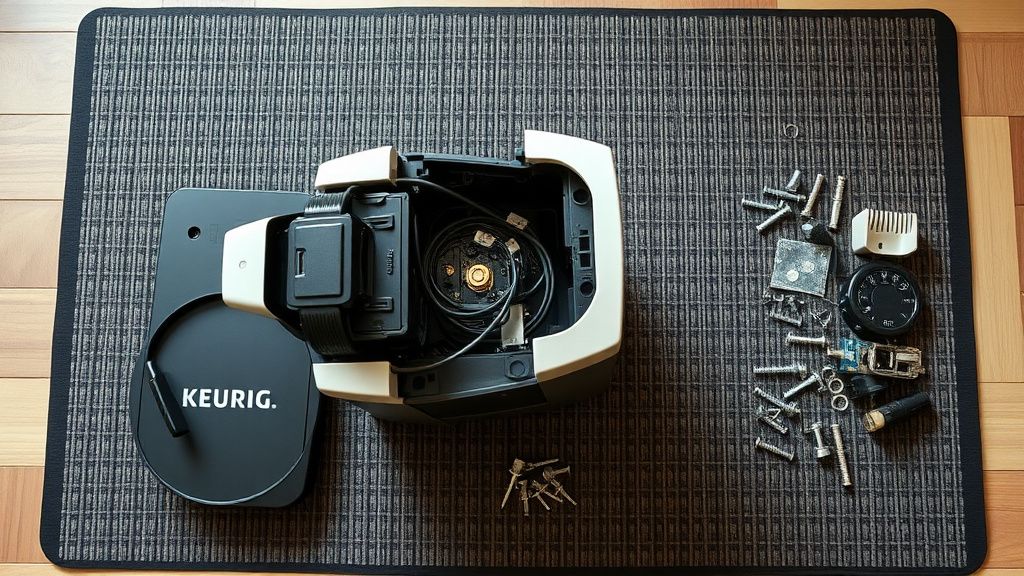
1. The Internal Needle Deep-Clean: You must remove the top housing. Use a T10 or T20 Torx driver. Once the casing is off, disconnect the water line leading to the exit needle assembly. Submerge this entire assembly in a 50/50 mixture of white vinegar and water for two hours. This is the only way to dissolve deep-seated mineral deposits in the needle.
2. Flow Meter Inspection: The flow meter is usually a translucent plastic housing located near the pump. If you see debris inside the turbine, you must gently pry it open—if possible—or flush it with high-pressure air. If the turbine is seized, the entire flow meter component may need replacing; mastering such hardware repairs is a lucrative niche, similar to understanding why your Breville Barista Express pressure gauge is not moving or troubleshooting why a Ring Doorbell Pro keeps going offline.t must be replaced.
3. Pump Bypass Reset: If the pump is purely mechanical but the board refuses to trigger it, bridge the pump terminals briefly with a 12V power source (carefully) to verify the motor actually works. If it does, the issue is likely a blown triac or MOSFET on the main control board, which requires component-level soldering.
Factory Reset (Fabrika Ayarlarına Döndürme)
For most modern Keurig 2.0 or K-Elite models, the "secret" hard reset is as follows:
- Turn the machine off while it is plugged in.
- Remove the water reservoir.
- Press and hold the "Small Mug" and "Large Mug" buttons (or the "Menu" and "Brew" buttons depending on the specific UI) simultaneously.
- While holding, replace the water reservoir.
- If performed correctly, the screen will flash or return to the initial setup language menu. Note: This wipes all user-defined settings, including cup size preferences.
When to Replace (Ne Zaman Yenisiyle Değiştirilmeli?)
Repairing a Keurig reaches the point of diminishing returns when:
- Motherboard Failure: If the processor is unresponsive to hard resets, a replacement board often costs 60-70% of a new machine.
- Internal Leakage: If water is leaking from the internal heat exchanger (boiler), it is often a safety hazard. Attempting to repair a pressurized boiler without the proper gasket kits is dangerous and rarely effective.
- Pump Burnout: If the pump emits a high-pitched, strained whine followed by a burning plastic smell, the windings are shorted. It’s time for the recycling bin.
Gerçek Saha Raporları (Real Field Reports)
In the secondary market of "flipping" electronics, I have encountered dozens of units labeled as "Broken/Parts Only." A notable case involved a K-575 that had been through three owners. The consensus online was a "dead motherboard." Upon teardown, I found that the issue was merely a piece of plastic packaging film that had migrated into the intake valve during a move.
Conversely, I once attempted to repair a unit that had been descaled using pure, non-diluted hydrochloric acid (an extreme, ill-advised method). The internal tubing had become brittle and porous, and the pump seals were completely dissolved. In that instance, the "profit" was limited to salvaging the drip tray and the reservoir lid.
Karşılıklı Eleştiri (Counter-Criticism)
There is a significant debate in the repair community regarding the "Vinegar Method." Critics argue that vinegar is too acidic and promotes the degradation of the rubber o-rings and internal gaskets over time. Many "pro-repair" technicians advocate for citric acid solutions instead, as they are more effective at breaking down lime scale without damaging the polymer components.
Furthermore, some argue that "flipping" these machines is unethical, as the underlying engineering of Keurig machines is inherently disposable. My counter-argument is that by performing these needle resets and sensor cleanings, we are keeping plastic and electronic waste out of landfills, which is a net positive regardless of the machine's initial planned obsolescence.
FAQ (Sıkça Sorulan Sorular)
Is it safe to use CLR (Calcium, Lime, Rust) to descale my Keurig?
Absolutely not. CLR is toxic and not designed for food-contact surfaces. The residue is extremely difficult to flush out completely. Always use official Keurig descaling solution or a diluted food-grade citric acid solution.
My Keurig says "Descale" but it's brand new. Why?
This is a firmware error. The internal clock might have triggered the alert based on production date rather than actual usage. Perform the hard reset procedure outlined above to clear the software lock.
Can I just bypass the flow sensor to make it work?
Mechanically, yes, but the software will detect the lack of pulses from the flow sensor and throw an "Add Water" or "Pump Error." The software logic requires the signal from the flow meter to complete the brewing cycle. You cannot bypass it without modifying the firmware or spoofing the signal with an Arduino, which is overkill for this device.
How do I know if the pump is dead or just clogged?
If the pump makes a low, rhythmic humming sound, it is likely clogged or airlocked. If it is completely silent, or makes a sharp "click" followed by silence, the motor is likely seized or the electrical connection is severed.