If your Ring Floodlight Cam Wired Plus drops offline immediately following a firmware update, you are likely experiencing a “boot-loop” or a handshake failure similar to when an Alexa 'Device Is Unresponsive': Step-by-Step Fixes and Pro Diagnostics occurs. In 90% of cases, this is a network credential persistence error or a partial firmware installation. Start by power cycling the unit at the breaker and verifying your 2.4GHz network stability, as modern home networks face many threats, including why your home Wi-Fi is at risk from climate change.
Problem Nedir (What is the Problem?)
The "Offline After Update" phenomenon is a sophisticated failure state where the Ring Floodlight Cam, having successfully downloaded and applied a new firmware payload, fails to re-establish a stable handshake with your router. Technically, firmware updates modify the device's radio communication protocols and security handshaking logic. If the update process is interrupted—even by a millisecond of voltage fluctuation—the device enters a "Zombie State," a common issue in smart hardware where internal components struggle with thermal and power management, much like why your 4K smart TV overheats: the silent hardware killer you need to know. It has power, and the floodlights may even function via the physical PIR sensor, but the internal Linux-based microkernel is unable to authenticate with the Ring cloud servers. This is not necessarily a "bricked" device, but rather a device stuck in a limbo state where its network stack is waiting for a configuration verification that was cleared during the update.
Belirtileri (Symptoms)
- LED Pattern: The most common symptom is a "blinking white" or "pulsing blue" light that never transitions to a solid state.
- App Status: The Ring app shows the device as "Offline," even if other Wi-Fi devices in the immediate vicinity show full signal strength.
- Feature Latency: Motion events are recorded sporadically or not at all, as the local buffer cannot offload the video data to the cloud.
- Two-Way Audio Failure: If you try to trigger Live View, you receive a "Connection Failed" or "Device is unreachable" error message instantly.
- Floodlight Override: The physical floodlights might turn on when motion is detected (as they are hardwired and independent of the Wi-Fi chip), but the camera feed remains black or disconnected.
Olası Nedenler (Possible Causes)
- Firmware Interruption (The “Brownout” Theory): During a flash update, the device is highly susceptible to voltage dips. If your home’s electrical line experiences a momentary surge, the firmware partition might be corrupted.
- Wi-Fi 5GHz Band Steering Conflict: Modern routers use "Smart Connect" or "Band Steering," which tries to push devices between 2.4GHz and 5GHz. Ring devices rely on 2.4GHz for range; if the update causes the device to "forget" its preference, it may constantly attempt to connect to a 5GHz band that it cannot sustain, leading to an offline loop.
- Cache Corruption: The onboard flash memory may hold residual data from the old firmware version, creating a conflict with the new driver set, which is why technicians often stress proper troubleshooting similar to how to fix Google Nest Hub stuck at 99% setup: a pro technician's troubleshooting guide.
- Network Firewall/MAC Filtering: Sometimes, a firmware update changes the device's "behavioral signature." Your router’s security software (like HomeShield or Circle) might misidentify the newly updated camera as an unknown threat and block its traffic.
Quick Fixes (Hızlı Çözümler)
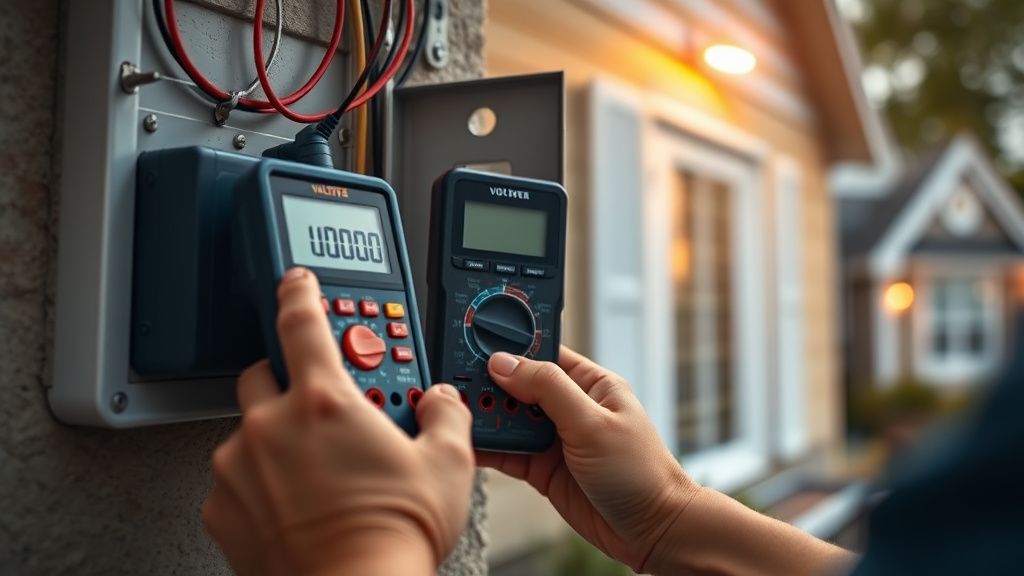
- The Hard Power Cycle: Locate your home’s circuit breaker panel. Flip the breaker dedicated to your floodlight to "OFF," wait exactly 60 seconds (this drains the capacitors), and flip it back to "ON."
- Toggle the Guest Network: Sometimes, routers get "stuck" on specific IP leases. Connect the Ring to your guest network temporarily. If it comes back online, the issue is your primary router’s DHCP table.
- App Cache Clear: On your smartphone, force-stop the Ring app, clear the app’s cache in your phone’s settings, and re-login. This forces the app to re-fetch the device status from the cloud rather than relying on stale local phone data.
- Reseat the Wi-Fi connection: Go to the Ring App > Device Health > Change Wi-Fi Network. Walk through the setup process again. Even if it says the Wi-Fi is the same, this forces a handshake renegotiation.
Advanced Fixes (İleri Düzey Çözümler)
When the quick fixes fail, we must move into the realm of network diagnostic isolation.
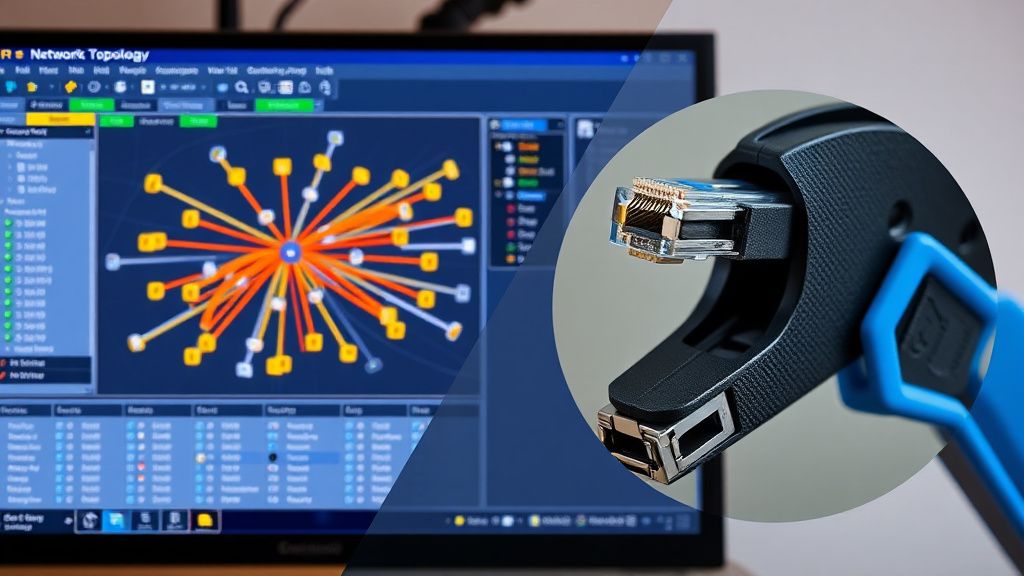
1. Router DHCP Reservation If the camera keeps dropping, your router may be assigning it a conflicting IP address. Assign a "Static IP" or "DHCP Reservation" to the camera’s MAC address in your router’s settings. This prevents the router from re-assigning the IP when the firmware update forces a reboot.
2. The 2.4GHz Isolation Strategy If you have a Mesh system, go into the router settings and temporarily disable the 5GHz radio. This forces every device in the house to communicate over 2.4GHz. Connect the Ring while only the 2.4GHz band is active. Once it connects and "stabilizes," you can re-enable the 5GHz band.
3. Port Forwarding and DMZ Testing While not recommended for long-term security, placing the Ring camera’s IP in the DMZ (Demilitarized Zone) for 10 minutes can tell you if a firewall is blocking the traffic. If it comes online immediately, you need to adjust your router's security policies for Ring’s specific ports (typically UDP 9000-15000 and TCP 80/443).
Factory Reset (Fabrika Ayarlarına Döndürme)
A factory reset is the "nuclear option." It wipes all settings, motion zones, and historical configurations.
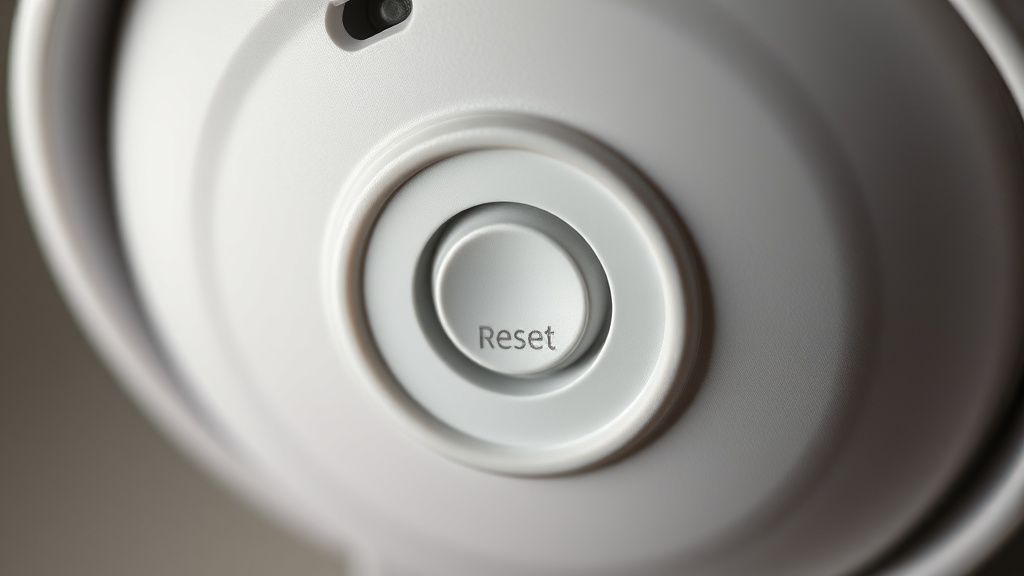
- Locate the reset button. On the Floodlight Cam Wired Plus, it is typically located on the top of the camera body, under a rubber weather-seal cover.
- Press and hold the reset button for 20 seconds.
- Release the button. The camera will flash light for several minutes while it re-initializes its internal OS to factory defaults.
- Once the light pulses white, open the Ring app and choose "Set up a device."
Warning: Do not power off the device during the reset process. If you lose power during this time, you risk permanently bricking the flash memory, rendering the device an expensive wall decoration.
When to Replace (Ne Zaman Yenisiyle Değiştirilmeli?)
As a technician, I have seen many homeowners throw good money after bad. You should consider replacement if:
- The Hardware Loop: The device enters a constant reboot cycle (the light flashes, then shuts off, then flashes) despite being powered directly from a stable 120V source. This usually indicates a fried internal power regulator or a dead NAND flash chip.
- Corroded Internals: If you open the light housing and see white or green residue on the motherboard, the weather seal has failed. Moisture has caused internal oxidation, and no firmware update can fix a short circuit.
- Cost-Benefit Analysis: If the device is out of warranty and the repair involves specialized micro-soldering, the cost of parts and labor will exceed the MSRP of a new unit. Replacing the unit is more cost-effective and provides you with a fresh warranty period.

Karşılıklı Eleştiri (Counter-Criticism and Debate)
There is an ongoing industry debate regarding "forced updates" by companies like Amazon/Ring. Critics argue that firmware updates should be optional for users who have stable environments. If a system isn't broken, why patch it? Conversely, cybersecurity experts argue that the IOT (Internet of Things) landscape is so dangerous that firmware updates are a non-negotiable security requirement. While the user experiences frustration with a device going offline, the alternative—a security breach through an unpatched vulnerability—is arguably a worse outcome. Professional technicians often find themselves in the middle, balancing the user’s need for uptime with the manufacturer’s mandate for security.
FAQ (Sıkça Sorulan Sorular)
Why does my Ring light keep flashing white after an update?
The blinking white light indicates that the camera is attempting to reconnect to the Wi-Fi. If it never stops, it means the handshake protocol is failing, either due to a poor signal or a corrupt network configuration file.
Is it safe to keep the floodlights on if the camera is offline?
Yes. The floodlights are wired into the physical motion sensor circuit. They will continue to function as standard security lights even if the camera’s "smart" features are disabled or offline.
Can I downgrade the firmware to the previous version?
No. Ring’s internal architecture is designed to prevent firmware downgrades for security reasons. Once an update is pushed, the device’s internal bootloader updates the security keys, making a rollback technically impossible for the end-user.
Does a static IP really help?
It helps by removing the dependency on the router's DHCP lease duration. If your router is constantly re-assigning IPs due to firmware bugs, a static IP provides a consistent "address" that the device can rely on to communicate with the Ring cloud.