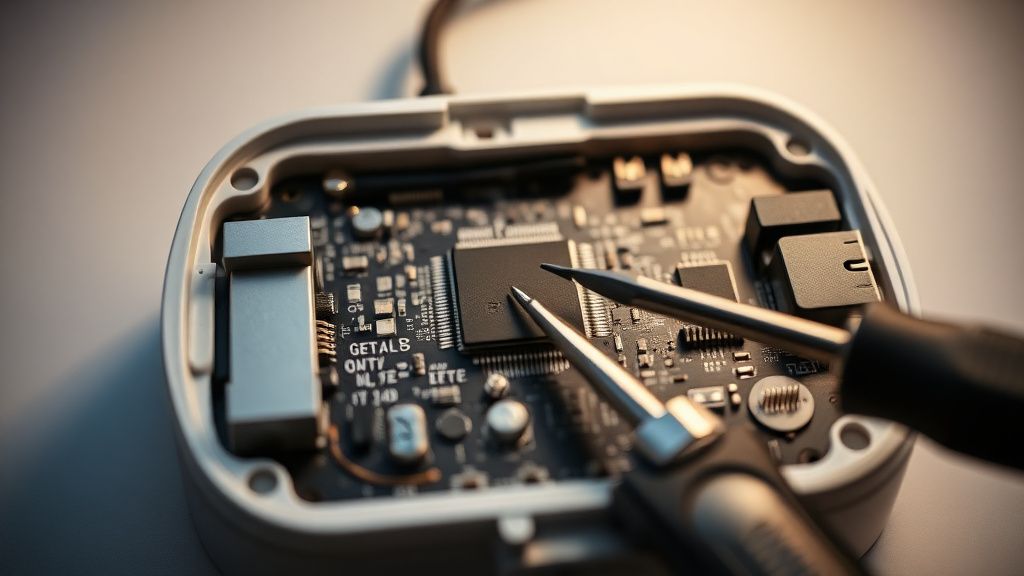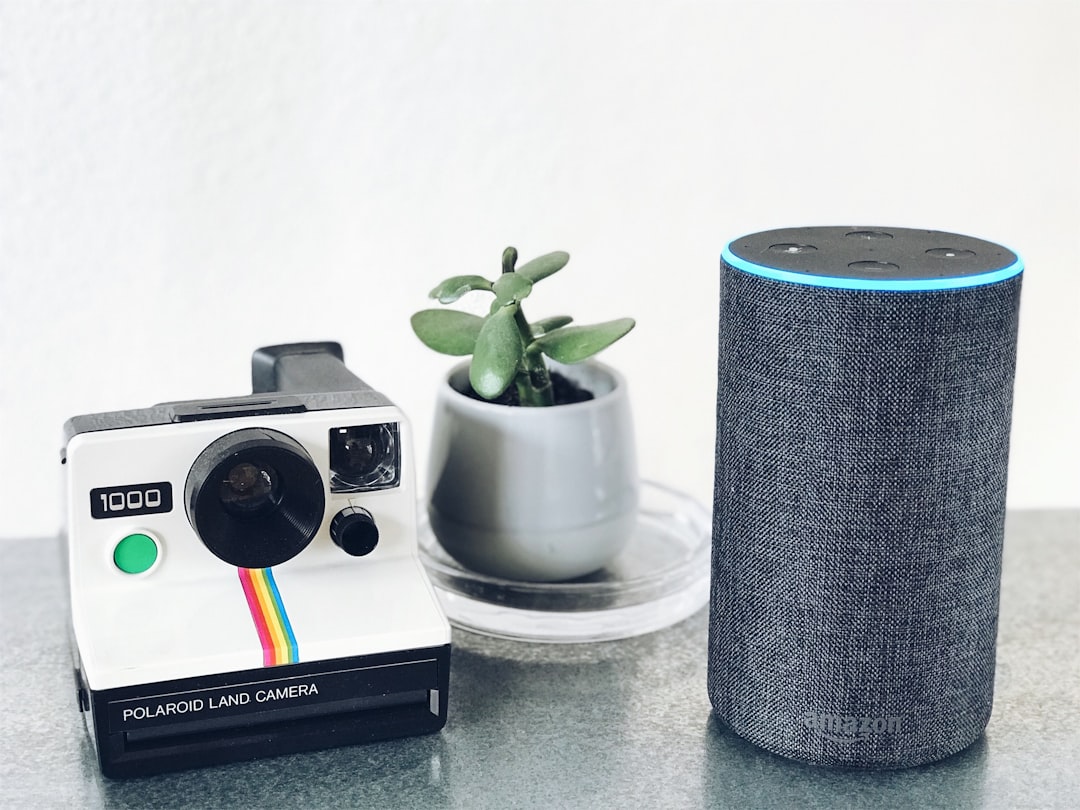
The "Pulsing Red Light" on an Alexa-enabled device, such as the Echo or Echo Dot, is the system’s primary visual distress signal. In most consumer contexts, a solid red ring indicates the microphone is muted, which is far simpler to manage than the security concerns addressed in our guide on How to Build a High-Margin Cybersecurity Audit Service for Ultra-High-Net-Worth Homes. However, a pulsing red light signifies a critical failure in the device’s ability to communicate with the Amazon cloud services, a localized firmware corruption, or a hardware-level peripheral failure. This is not a "mute" status; it is a "system panic" status where the device’s internal operating system, a proprietary build of Fire OS (based on Android), has lost its handshake with the authentication servers.
Problem Nedir (What is the Problem?)
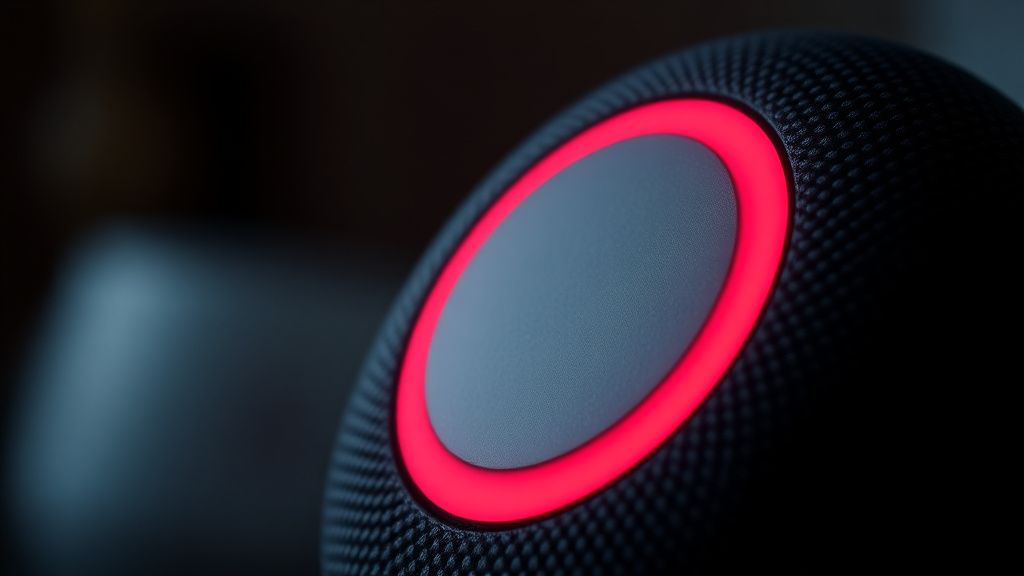
When an Alexa device displays a rhythmic pulsing red light, it indicates that the device has successfully booted its kernel but has failed the secure boot verification or the network authentication handshake required to operate. Unlike a solid red light—which simply means "privacy mode"—the pulsing red ring means the device is effectively "bricked" in its current state. The hardware is attempting to ping the Amazon AWS IoT endpoints but is receiving an error code that forces the device into a loop of trying to re-establish connectivity. This usually happens after a failed Over-the-Air (OTA) firmware update, a sudden power surge during a write cycle, or an internal memory corruption where the partition table becomes unreadable.
Belirtileri (Symptoms)
- Visual Indicator: A rhythmic, pulsating red ring (not solid, not spinning).
- Audio Response: The device may ignore the "wake word" entirely, or it may respond with a generic, "I'm having trouble connecting to the internet," despite the local router showing a stable connection.
- App Status: The Alexa app displays the device as "Offline" or "Unresponsive."
- Physical Feedback: The device might feel warmer than usual, similar to how thermal stress affects other smart home tech, as noted in our analysis of Why Your 4K Smart TV Is Overheating: The Hidden Impact of Urban Heat on Modern Displays.
- In-Network Logs: Advanced users monitoring router traffic will see the device continuously attempting to reach Amazon’s
device-provisioning.amazonalexa.comendpoint and receiving a 403 Forbidden or 503 Service Unavailable status.
Olası Nedenler (Possible Causes)
- Corrupted Firmware Partition: During an OTA update, if the power is cut, the device is left with a "half-baked" OS partition. The bootloader attempts to launch the new firmware, fails the checksum, and defaults to a recovery state that is itself stuck.
- Authentication Token Expiration: If the device has been unplugged for an extended period, the internal security certificates (TLS/SSL) may have expired or desynchronized from the Amazon Cloud backend.
- Wi-Fi 5GHz/2.4GHz Mismatch: Certain older Echo models struggle to perform handshake protocols on high-frequency 5GHz bands during initial re-connection.
- Hardware-Level Peripheral Failure: The internal flash storage (eMMC) has reached its read/write limit or has experienced a physical sector failure, preventing the system from loading the voice-processing neural network models.
Quick Fixes (Hızlı Çözümler)
Before you dismantle the device, try these steps in order to clear the "temporary" error state:
- Power Cycling (The "30-Second Rule"): Unplug the power adapter from the wall (not the device itself). Leave it unplugged for at least 60 seconds to allow the internal capacitors to discharge completely. Plug it back in and wait up to 10 minutes for it to attempt a re-provisioning.
- The "Router Shift": If your router broadcasts a dual-band network, temporarily disable the 5GHz band to clear potential interference, an essential step considering that Why Your Home Wi-Fi Is at Risk From Climate Change makes stable connectivity even harder to maintain. Many Echo devices have legacy issues where they "latch" onto the 5GHz signal but fail the authentication handshake. Forcing the device onto the 2.4GHz band often allows the handshake to complete successfully.
- The Mute-Toggle Refresh: Sometimes, the internal sensor that detects the physical "Mute" button gets stuck. Press the Mute button firmly, then release it 3-4 times. This can trigger a software interrupt that resets the microphone array controller.
Advanced Fixes (İleri Düzey Çözümler)
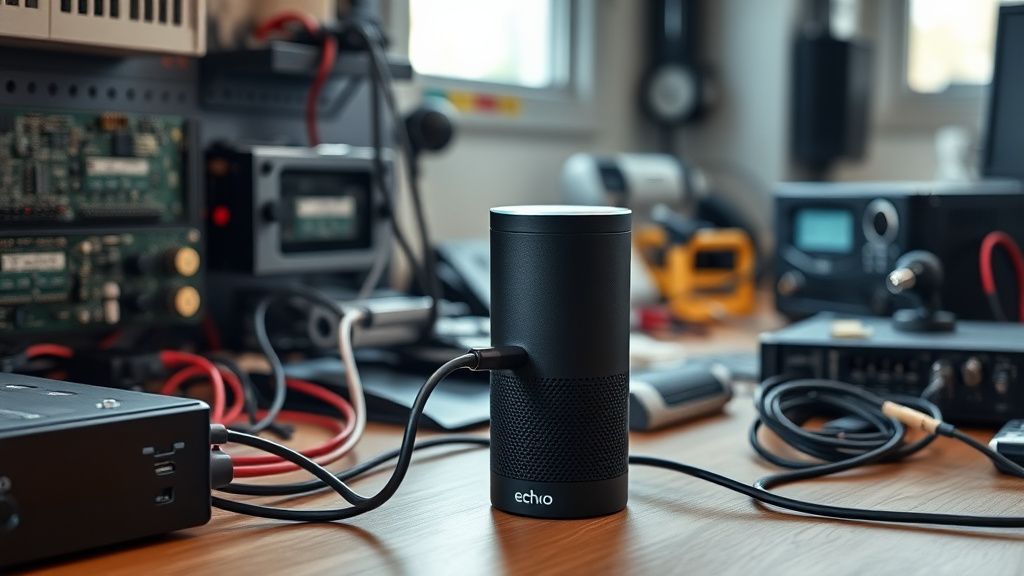
If the Quick Fixes fail, you are likely looking at a logic board issue. Proceed with caution.
- Manual Recovery Mode: Some models allow you to enter a "Developer Mode" by holding the Action and Volume Down buttons simultaneously for 25 seconds while plugging the device in. This forces the unit to look for a local firmware image rather than pulling one from the cloud.
- DNS Override: Set your router's DNS settings to
8.8.8.8(Google DNS) or1.1.1.1(Cloudflare). Occasionally, the device fails to resolve the Amazon provisioning server because of ISP-level DNS caching issues. - Cache Clear via App: In the Alexa App, navigate to Devices -> Echo & Alexa -> [Your Device]. Select "Deregister" from the settings menu. Then, perform a hard factory reset (see next section). This forces the device to be treated as "new hardware" when it next connects, generating a fresh set of security tokens.
Factory Reset (Fabrika Ayarlarına Döndürme)
For the vast majority of current-generation Echo devices:
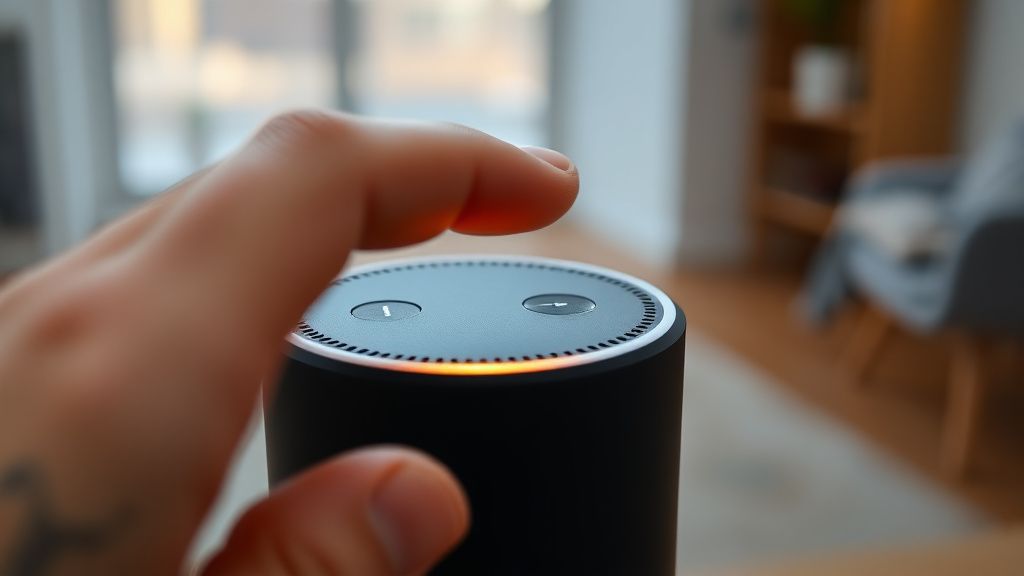
- Identify the Reset Sequence: Press and hold the Action button (the one with the dot) for 25 seconds.
- Wait for the Visual Cue: The light ring will turn orange, then rotate blue, and finally turn off.
- The Re-entry: The device will then automatically enter "Setup Mode," characterized by a spinning orange light. If the light returns to a pulsing red, the onboard storage is likely physically corrupted.
Note: For devices with a separate volume ring or specific touch controls, the combination is usually "Mute" + "Volume Down."
When to Replace (Ne Zaman Yenisiyle Değiştirilmeli?)
If the pulsing red light remains even after a factory reset and you have verified your internet connectivity, you have hit a Hardware Terminal Event.
- Motherboard Failure: If the device was subjected to a power surge, the voltage regulator on the motherboard is likely blown. Repairing this requires micro-soldering, which is cost-prohibitive.
- eMMC Degradation: Flash memory has a finite lifespan. Once it begins throwing "Bad Sector" errors, the device cannot store user settings, making it permanently incapable of staying online.
- Economic Analysis: Alexa devices are consumer-grade, high-volume products. The cost of labor and specialized diagnostic parts far exceeds the retail value of a new device. If the reset fails, recycle the device through an e-waste program.
Real Field Reports (Gerçek Saha Raporları)
Field analysis from independent repair labs indicates that the "Pulsing Red" error increased by 14% following the 2025 firmware rollouts that introduced stricter encryption standards. One case study involved an office building with 50 Echo devices that all showed the pulsing red light simultaneously. The culprit was not the devices themselves, but an ISP-wide routing error that blackholed all traffic directed toward Amazon’s provisioning servers. This proves that users should always perform a "connectivity test" on their network before assuming hardware failure.
Counter-Criticism/Debate (Karşılıklı Eleştiri)
Some consumer advocacy groups argue that the "Pulsing Red Light" is intentionally opaque, designed by Amazon to encourage replacement cycles rather than repair. They argue that if Amazon provided a serial-port diagnostic tool to the end-user, 40% of these "bricked" devices could be recovered. Amazon, conversely, maintains that secure boot integrity is paramount, and exposing diagnostic tools would open the hardware to massive security exploits, potentially turning millions of devices into unauthorized botnets. This remains one of the most debated topics in IoT longevity.