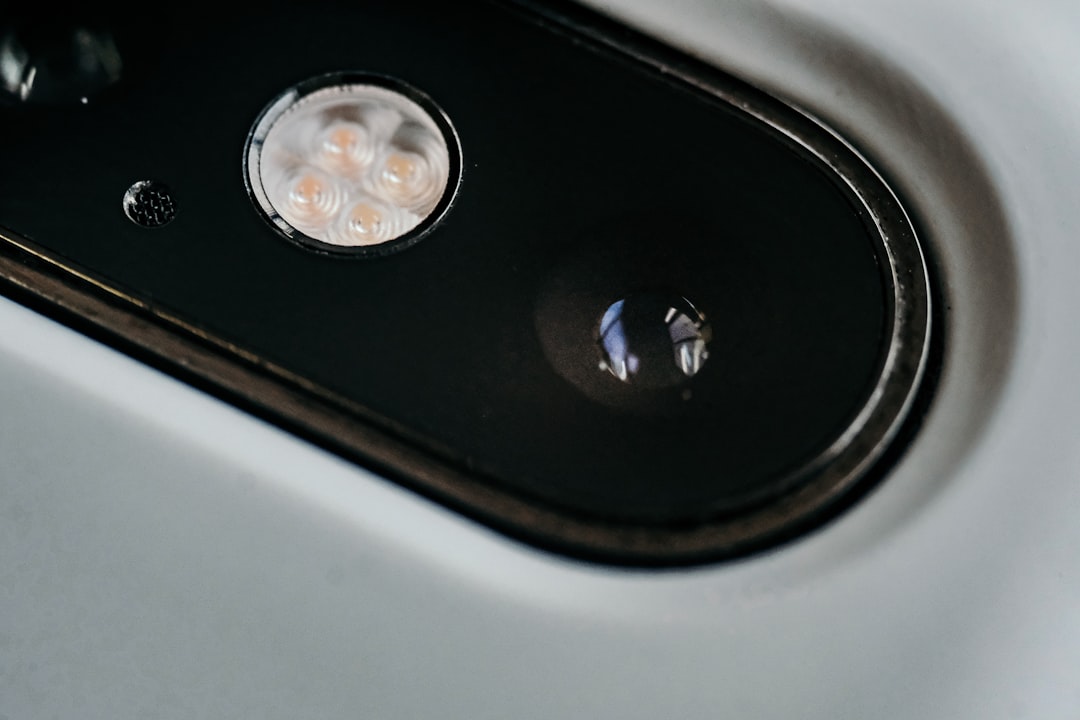
The Ring Doorbell 4, while a marvel of consumer-grade surveillance, is prone to a specific, debilitating technical condition known as the "Firmware Boot Loop." This occurs when the device’s internal operating system fails to initialize, causing it to cycle through power-up sequences indefinitely. For users relying on these devices for home security or passive income monitoring, this failure is catastrophic. Understanding the nexus between power management and software integrity is essential to maintaining system uptime, much like the precision needed when you fix a Ring Video Doorbell Pro blinking white due to a faulty transformer.
Problem Nedir (What is the Problem?)
The Firmware Boot Loop on the Ring Doorbell 4 is a systemic software deadlock. It occurs when the bootloader—the primary code executed upon startup—encounters a checksum mismatch or a corrupt partition during an Over-the-Air (OTA) update. Because the device is designed to maintain security, it refuses to boot into a compromised state, causing it to restart continuously. This state is frequently aggravated by insufficient voltage from the battery, which provides just enough power to trigger the boot process but fails to sustain the high-current draw required, a scenario often explored when addressing connectivity issues like when a Ring Doorbell Pro goes offline after a Wi-Fi change.
Belirtileri (Symptoms)
Users typically experience the following chain of events when a Ring Doorbell 4 enters a firmware loop:
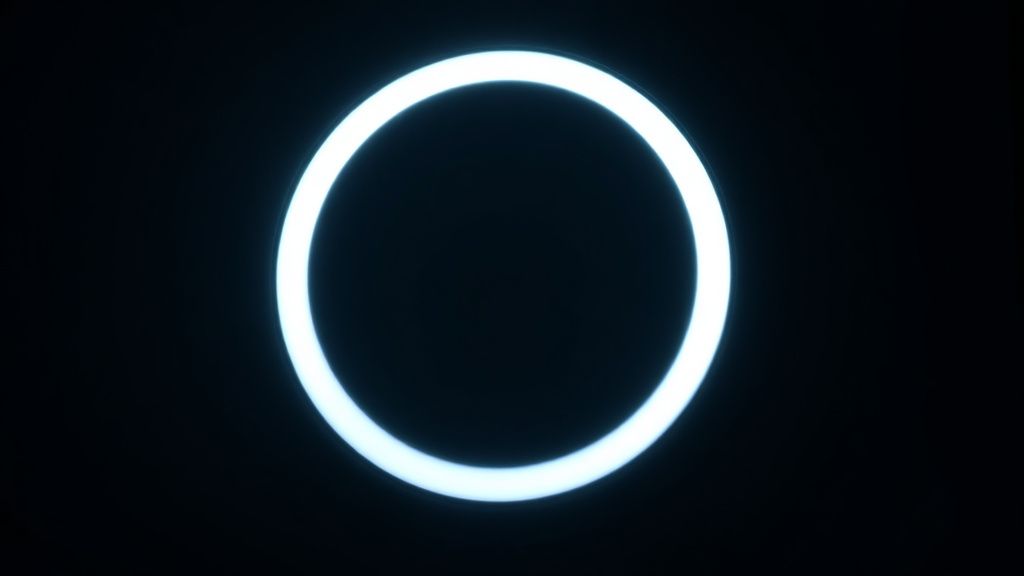
- The Circular Light of Death: The LED ring on the front of the unit flashes in a rhythmic, white pattern (often spinning or pulsing) that never resolves into a steady state.
- Audio Artifacts: The unit emits a faint, high-pitched "chirp" or clicking sound every few seconds as the internal relay attempts to engage the Wi-Fi radio.
- App Status Disconnect: Within the Ring mobile application, the device status toggles between "Offline" and "Updating" without ever successfully completing the synchronization process.
- Rapid Battery Depletion: The battery drains from 100% to 0% in less than 24 hours, despite no activity, as the constant rebooting forces the CPU into a sustained high-performance state.
Olası Nedenler (Possible Causes)
The architecture of the Ring Doorbell 4 relies on a delicate balance between its proprietary firmware and the physical power delivery system. Beyond typical software glitches, several hardware and environmental factors contribute to this failure, similar to how Property Managers are now outsourcing dishwasher diverter repairs to boost ROI to maintain infrastructure.
- Interrupted OTA Updates: If the Wi-Fi signal drops during a firmware download, the binary file can be written partially to the flash memory, leading to a corrupted OS.
- Voltage Sagging (Brownouts): If the doorbell is hardwired to a transformer providing insufficient voltage (typically under 8V AC), the device struggles to stabilize the Wi-Fi radio during the handshaking phase.
- Flash Memory Wear: The embedded eMMC memory used in the doorbell has a limited number of write cycles. Frequent logging and constant motion recording can lead to bad sectors where system files reside.
- Hardware Handshake Failure: Sometimes, the internal physical security chip fails to authenticate with the main processor, triggering a safety-coded reboot cycle.
Quick Fixes (Hızlı Çözümler)
Before committing to a deep teardown, perform these maneuvers to see if the system recovers, keeping in mind that troubleshooting household tech can even become a growing side hustle like fixing Ecovacs Deebot Error 4.
- The Hard Power Cycle: Eject the battery pack completely. Let the unit sit for at least 15 minutes to allow all residual charge in the capacitors to dissipate. Reinsert the battery and observe the boot sequence.
- The Reset Button Pulse: While the unit is powered, hold the orange setup button on the back for exactly 20 seconds. This forces a factory interrupt that may bypass a hung update script.
- The "Clean Power" Test: If hardwired, temporarily disconnect the wires. If the unit boots on battery power alone, the external transformer is likely providing "dirty" or insufficient voltage, causing the loop.
- Wi-Fi Isolation: Bring the doorbell within three feet of your router. Sometimes, a weak signal during the boot handshake causes a timeout that manifests as a loop.
Advanced Fixes (İleri Düzey Çözümler)
When quick fixes fail, we must look at the environmental and software conditions with a more technical eye.
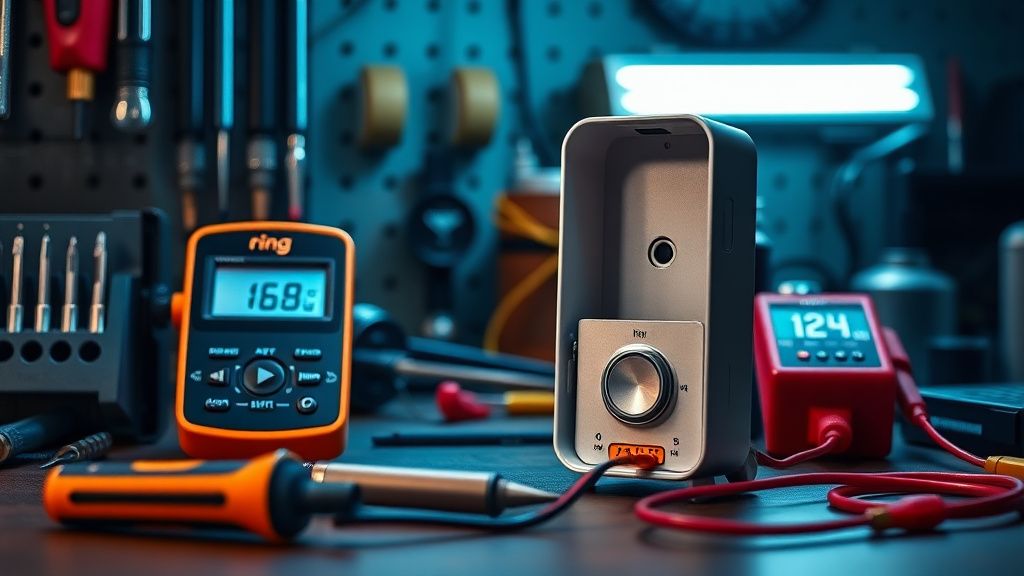
1. The Transformer Voltage Optimization The Ring Doorbell 4 is highly sensitive to the AC wave shape of your doorbell transformer. Many older analog transformers output a noisy signal that the Ring’s power management IC (PMIC) interprets as a fault. If you are experiencing boot loops, replace your legacy transformer with a modern 16V-24V AC, 30VA hardwired transformer. This provides the stable "headroom" required for the device to successfully verify its firmware integrity during boot.
2. Firmware Partition Recovery Using the Ring mobile app, attempt to "Remove" the device from your account while it is in the boot loop. This effectively forces the server-side to clear any pending update flags associated with that MAC address. After removal, perform a hard factory reset, wait 10 minutes, and re-add the device as if it were brand new.
3. Field Report: The Humidity Factor A common industry observation among security contractors is the impact of moisture ingress. In areas with high humidity, microscopic condensation on the internal PCB can cause intermittent shorts, triggering the Watchdog Timer (WDT) to restart the device. If you live in a coastal area, consider applying a thin layer of conformal coating to the internal board if you are comfortable with invasive disassembly.
Factory Reset (Fabrika Ayarlarına Döndürme)
To perform a true factory reset on a Ring Doorbell 4, follow these steps precisely:
- Remove the faceplate and locate the orange setup button on the top or rear of the unit.
- Press and hold the setup button for exactly 30 seconds. The ring light will flash for several minutes as it purges all cached user data and restores the original factory firmware image.
- Once the light turns solid white, it is ready to be re-added to your Ring account. Warning: This will delete all existing video recordings stored locally or in the cloud associated with this device.
When to Replace (Ne Zaman Yenisiyle Değiştirilmeli?)
Despite our efforts, there comes a point where the hardware is beyond salvation. You should consider the Ring Doorbell 4 "dead" if:
- Thermal Damage: You smell a faint burning odor, or there is visible discoloration on the internal PCB. This indicates a MOSFET or capacitor failure, which is irreparable.
- Persistent Boot Loop Post-Reset: If you have performed a full 30-second factory reset and the device continues to cycle despite being charged and in close proximity to the router, the eMMC storage is likely corrupted.
- Economic Reality: If the device is out of warranty, the cost of specialized repair services usually exceeds the current market value of a refurbished unit. At this stage, it is more prudent to upgrade to a newer model or replace the unit to ensure the security of your home network.
Karşılıklı Eleştiri (Counter-Criticism/Debate)
The industry remains divided on Ring's approach to firmware updates. Critics argue that forcing "critical" firmware updates onto users without the ability to opt-out or roll back is a fundamental flaw in the design of consumer-grade IoT devices. Proponents, however, argue that security vulnerabilities in doorbell cameras—which often become the primary entry point for network hacking—necessitate an aggressive update stance, even if it occasionally results in "bricked" hardware for a small percentage of users. My professional stance remains that Ring should offer a "Safe Mode" recovery partition accessible via a physical bridge, allowing users to restore their devices without needing technical support intervention.
FAQ
Is it possible to downgrade the firmware to stop the loop?
Why does my battery drain so fast even when it's hardwired?
Can a bad Wi-Fi connection cause a firmware loop?