If you’re smelling burning plastic or ozone coming from your Instant Pot Vortex Plus, stop using it immediately. In 90% of cases, this isn't a terminal hardware failure but a byproduct of accumulated grease on the heating element or the accidental melting of internal insulation due to improper clearance. Unplug, cool, and inspect the heating coil and fan assembly thoroughly.
The Vortex Plus, like many high-velocity air fryers, such as those that might experience a Ninja Foodi Dual Zone Fan Error, operates on the principle of forced-convection thermal dynamics. When you hear the "clunk" of the mechanical timer or the "whir" of the fan, you aren't just hearing an appliance; you're hearing a high-wattage heating element (typically 1500W–1700W) blasting air at food that is—more often than not—spattering microscopic fat droplets into the intake or onto the heating coil itself.
The Thermal Degradation of Polymeric Components
From a service perspective, the "burning smell" is rarely the unit "burning out." It is almost always a result of poor maintenance or physics-defying placement. The Vortex Plus utilizes a top-mounted heating element. If the air circulation is inhibited by overfilling the basket, the thermal pocket becomes unstable. This leads to the thermal degradation of adjacent components. I’ve pulled apart units where the plastic housing around the fan intake had warped because a user pushed the air fryer flush against a tiled backsplash, effectively choking the exhaust and creating a feedback loop of superheated air, a situation that can sometimes manifest as an E3 fan error in the Instant Pot Vortex Plus.
Operational Reality: Why the "New Smell" Lingers
Manufacturers will tell you that the initial "new smell" is just factory residue burning off. That’s partially true—it’s the lubricant used in the manufacturing of the heating element housing. However, if the smell persists past the first three or four cycles, you aren't smelling "newness." You are smelling cross-contamination.
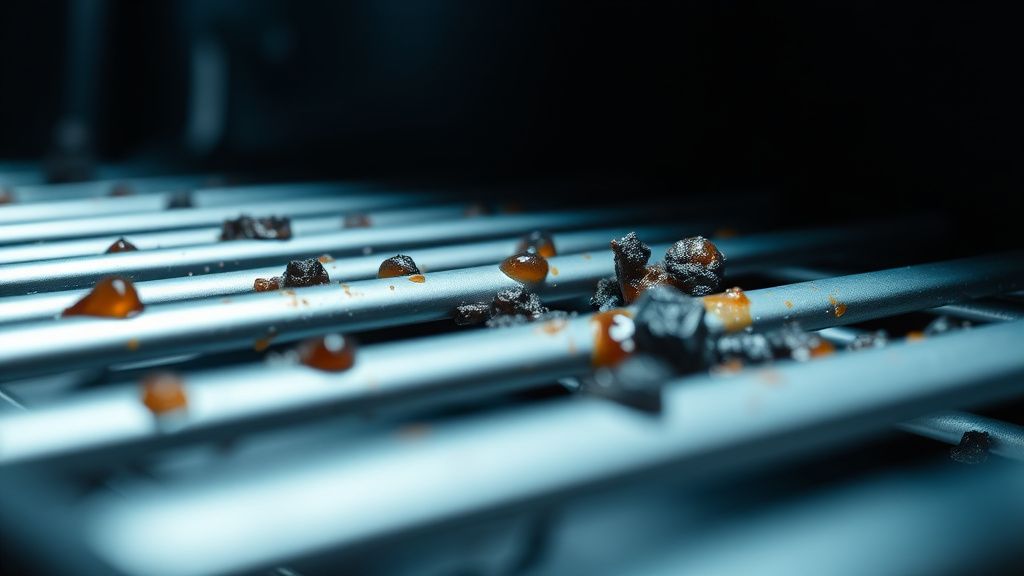
When you cook fatty proteins like chicken wings or bacon, the convection fan atomizes the grease. These microscopic particles bypass the grease filter and accumulate on the top of the heating element. Once the temperature peaks, these particles ignite. It’s not an electrical fire; it’s a grease fire. This is a common point of contention in community forums like r/airfryer or various Facebook support groups where users report "chemical smells." It’s rarely the unit’s chemistry failing; it’s the user’s diet sticking to the internal components.
Field Report: The "Loose Component" Syndrome
In the field, I’ve encountered several "Vortex Plus Burning" cases that traced back to a loose wire terminal. During shipping or repeated high-heat expansion/contraction cycles, the crimp connectors on the heating element can loosen. This increases electrical resistance, which generates localized heat at the terminal point, melting the plastic connector shroud.
- Symptoms: Persistent, pungent, acrid plastic smell, intermittent power, or a "flickering" display light.
- Verdict: This is a manufacturing flaw in the QC process. If the smell is pungent/acrid rather than savory/burnt, this is your culprit. Stop using the device and contact the manufacturer for a warranty claim—do not attempt to solder high-voltage connections unless you have experience with appliance-grade thermal insulation.
The Science of Airflow Obstruction and Internal Melt
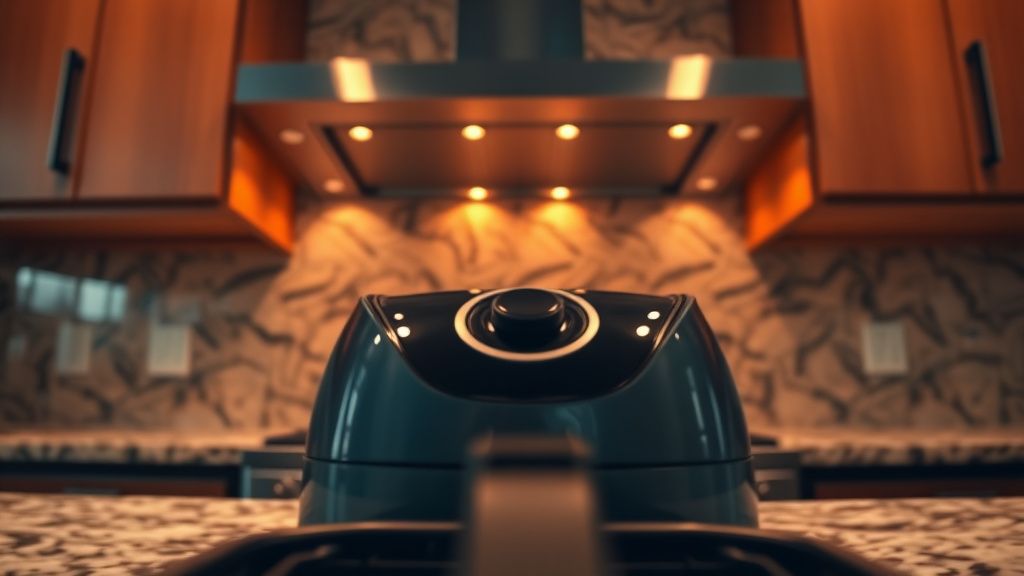
A common engineering compromise in modern smart-home appliances is the use of high-heat-resistant plastics that are, quite honestly, pushed to their thermal limits. The Vortex Plus is designed with specific clearance requirements. If you place it under an overhead cabinet, the exhaust vent—which can reach temperatures exceeding 400°F (200°C)—will bake the underside of your cabinet. The heat radiates back down, creating a thermal bridge that forces the internal fans to work in an ambient environment far hotter than what the PID controller expects.
When the controller senses the "stuck" heat, it may continue to cycle the element, leading to localized melting of the internal wiring insulation. This is the "hidden" cost of compact kitchen design.
Troubleshooting and Remediation Strategy
If you have ruled out the obvious—a dirty basket or residue on the element—follow this diagnostic path:
- The Deep Clean Audit: Flip the unit upside down (when cold and unplugged). Use a flashlight to inspect the upper heating coil. If you see black, carbonized spots, that is the source of the smell. Use a damp microfiber cloth with a minimal amount of degreaser. Never use harsh chemicals or steel wool.
- The "Dry Burn" Verification: Sometimes, the smell is just trapped moisture or factory grease in the insulation. Run the unit empty at 400°F for 10 minutes in a well-ventilated area (near an open window or under a powerful exhaust hood). If the smell dissipates, you have successfully "cured" the remaining residue.
- Visual Inspection for Wiring: If the unit is out of warranty, check for signs of discoloration on the control board or the wires connecting to the heating element. If the white insulation on the internal wires has turned yellow or brown, the unit is a fire hazard and should be decommissioned.
The Controversy: Planned Obsolescence vs. User Misuse
There is a massive divide in the tech-repair community regarding the longevity of these units. Some maintainers, like those on iFixit forums, argue that the Vortex Plus and its peers are built with thin-gauge wiring that cannot handle the thermal load of sustained high-heat cooking over 2–3 years. Conversely, manufacturers argue that user error (overstuffing the basket) causes the airflow restriction that leads to the thermal runaway.
Both sides are right. The unit is a high-demand device pushed into a compact form factor. When it works, it’s magic. When it fails, it’s a mess of melted plastic and proprietary screws that make internal repair nearly impossible for the average hobbyist.
The Hidden Impact of Software Updates
Yes, even "smart" air fryers have firmware. The Vortex Plus uses an algorithm to pulse the heating element to maintain temperature. If the NTC (Negative Temperature Coefficient) thermistor drifts—which it often does as it ages—the firmware might command the element to stay on longer than safe. This is an "edge-case" problem. If you notice the smell occurs only at the end of a long cooking cycle, your sensor calibration might be failing. Unfortunately, there is no "re-calibration" for the end-user.
Mitigation: The "Workaround" Culture
Users on Discord and Reddit have developed their own "pro-tips" to avoid these burning smells:
- The Foil Trap: Some users suggest using foil to protect the heating element, but this is a massive safety risk. It disrupts the convection air patterns and can lead to a fire. Never place foil on the heating element.
- The "Clean-Out" Schedule: Treat your air fryer like a deep fryer. Scrub it once a week, not once a month. The microscopic oil vapor is the enemy of your electronics.
Q: Is the burning smell toxic?
Yes. If you smell burning plastic, you are inhaling VOCs (Volatile Organic Compounds) released by the melting of wire insulation or internal structural components. Ventilate the room immediately and avoid staying in the area until the air is clear.
Q: Can I continue to use the unit if the smell is faint?
If the smell is faint and dissipates after the unit warms up, it may be residual debris. However, if the smell is sharp, chemical, or persists for more than 5 minutes of operation, you should stop using it. It indicates a component is actively degrading under thermal stress.
Q: Why does the smell only happen when I cook meat?
Meat produces fat-laden steam. As this vapor passes through the high-velocity fan, it becomes aerosolized oil. When it hits the glowing heating element, it incinerates instantly. This is the most common cause of "burning" smells. If you cook frozen vegetables or bread, the smell should be absent.
Q: Should I try to fix the internal wiring myself?
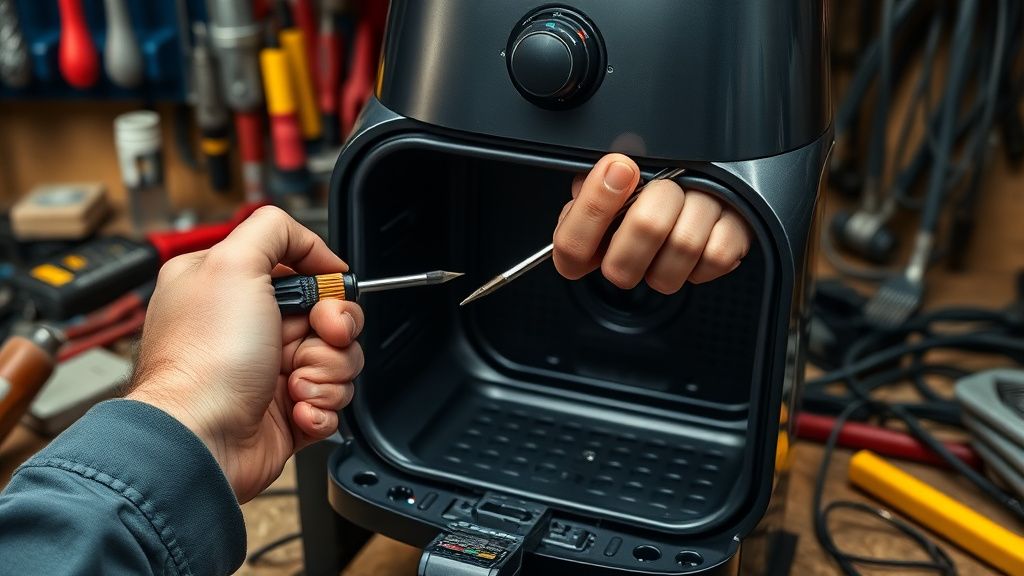
Unless you have experience with high-voltage AC appliances, no. The heating element in an air fryer is a significant fire risk if improperly re-assembled. The thermal fuses and insulation integrity are critical. If it’s still under warranty, leverage it. If not, the unit has reached its end-of-life.
Q: Does placing the air fryer under a cabinet void the warranty?
Manufacturers often point to "improper ventilation" as a reason to deny warranty claims. If they find heat damage on the exterior housing consistent with improper placement, they will likely categorize it as user error, not a product defect.
Q: What is that "clicking" sound I hear when the smell starts?
That is likely the relay on the control board or the thermal overload protector. If you hear rhythmic clicking followed by a burning smell, the unit is struggling to cycle the power to the element safely. This indicates a failing controller or a damaged heating circuit.
Final Thoughts: The Operational Reality
The Instant Pot Vortex Plus is a workhorse, but it exists in a brutal environment—high heat, grease, and moisture. The burning smell is rarely a mystery; it’s a diagnostic indicator. Whether it’s simple grease accumulation or a more severe thermal degradation of wiring, the machine is telling you it’s under stress. Respect the clearance zones, keep the element clean, and if you start smelling a chemical acrid odor that doesn't disappear with a wipe-down, don't look for a hack—look for a replacement. Safety in the kitchen is about knowing when the appliance has crossed the line from "cooking tool" to "electrical liability."