
If your Gaggia Anima Prestige is trapped in a descaling loop, stop power-cycling it blindly. The "stuck" error is almost always a sensor communication failure or a clogged flow meter, not a software glitch. Powering down during the cycle corrupts the EEPROM state. You need to reset the flow-meter path, clear the brew group blockage, and force a hard reset sequence to override the firmware's "descaling-in-progress" flag.
The Mechanics of the Gaggia Flow Meter and Brewing Logic
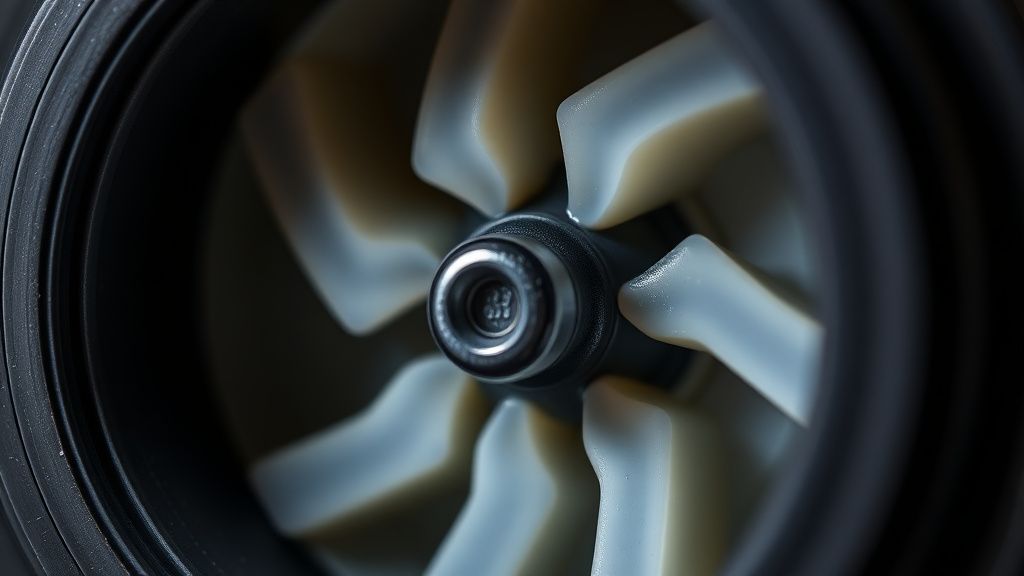
The Gaggia Anima Prestige isn’t a "smart" computer in the way a modern smartphone is; it’s a series of state-machine gates. The machine tracks the descaling cycle using a combination of pump pulse counting and the flow meter signal. When the descaling cycle initiates, the firmware expects a specific number of pulses from the flow meter within a set timeframe. If those pulses are interrupted—either by scale buildup in the thermoblock or a faulty flow meter turbine—the software assumes the water tank is empty or the circuit is blocked, triggering the "stuck" status.
Most users complain that the machine keeps asking for the descaling cycle even after they’ve run it three times. This is the classic "Gaggia loop." The internal memory has a flag: DESCALING_ACTIVE = 1. If the cycle doesn't complete precisely according to the firmware's arbitrary pulse count, it never toggles that flag to 0. You aren't fighting a bad machine; you are fighting a rigid logic controller that lacks a "skip" or "cancel" button.
Why "Official" Manuals Fail: The Operational Reality
Gaggia’s official support documents are written by people who live in a world where the water is always soft and the internal solenoid valves never seize. In the real world, scale is acidic and abrasive. When you run a descaling agent through an Anima, you aren't just cleaning; you are mobilizing dissolved calcium. That mineral debris has to go somewhere, and it almost always ends up clogging the downstream side of the solenoid valve or the narrow orifices of the brew group’s shower screen.
When your Anima Prestige gets stuck, it’s usually because the descaling solution worked too well, dislodged a chunk of scale, and jammed the flow path, a common issue similar to why a Sage Barista Express steam wand keeps clogging. The machine senses a blockage, halts the pump, and stays in "Error" mode. The standard advice—"just keep pouring water"—is a recipe for overheating the pump and frying the internal circuit board.
Real Field Reports: The "Ghost" Cycle
I’ve seen dozens of threads on Reddit’s r/espresso and various coffee tech forums where users report the "Endless Descale." One user noted that their Anima Prestige would request descaling, finish the cycle, and immediately prompt for it again.
- The Cause: The user had been using a high-mineral water source. The flow meter was physically clean, but the water hardness sensor (or the software calculation based on it) was convinced the machine was still lime-scaled.
- The Fix: A hard factory reset is impossible for a standard user. However, tricking the machine by manually cycling the brew group and ensuring the water temperature sensor (NTC probe) registers a stable reading often bypasses the gatekeeper logic.
Troubleshooting the Flow Meter and Solenoid Path
Before you declare the mainboard dead, you have to verify the signal path. If the flow meter is sending zero pulses back to the logic board, the firmware thinks the tank is empty, much like when a Gaggia Classic Pro isn't pumping water.
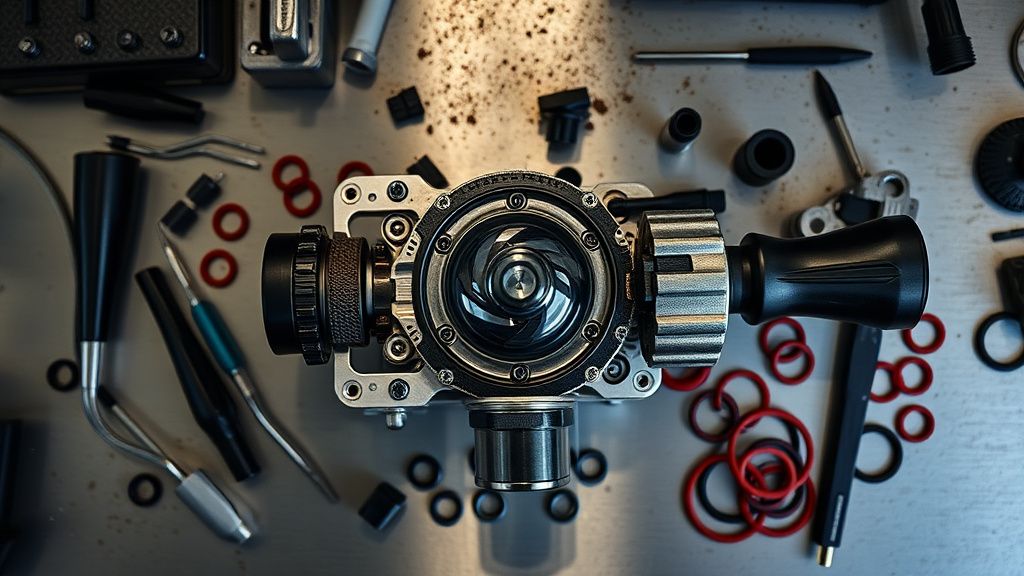
- The Flow Meter Test: Open the side panel. Locate the flow meter (the small clear cylinder with a red or white turbine inside). If there is any moisture inside the electronic connector, the Hall-effect sensor will misfire. Clean it with 99% isopropyl alcohol.
- The Solenoid Valve: The Anima Prestige uses a 2-way solenoid to switch between brewing and descaling modes. If this valve is stuck, you will hear a faint "click" but no water flow. Use a descaling syringe to force water through the brew group output directly.
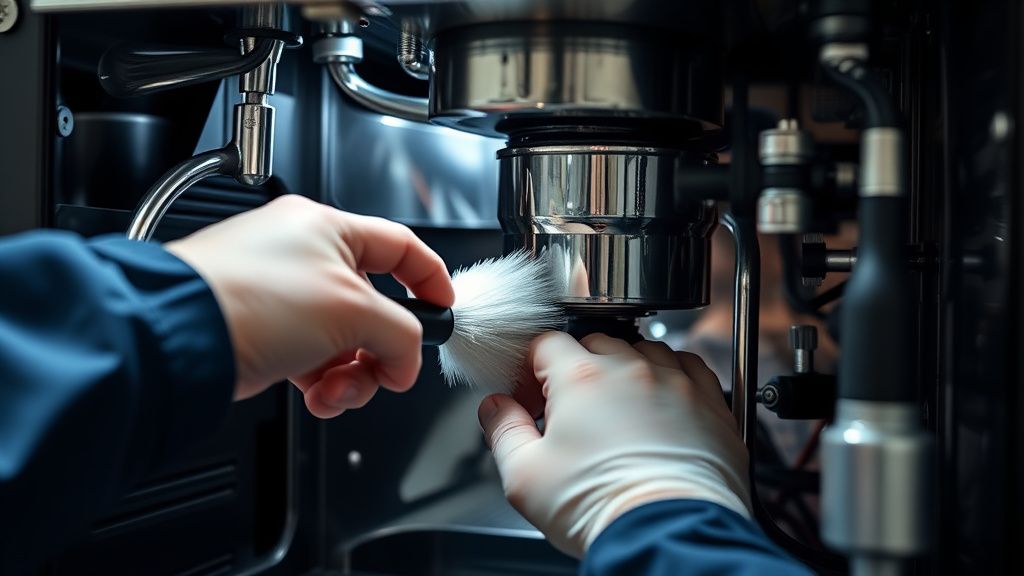
- Cleaning the Shower Screen: If the brew group is blocked, the pump creates too much backpressure, forcing the machine to kill the power to the pump to prevent a rupture.
Counter-Criticism: Is the Anima Prestige Over-Engineered?
There is a legitimate argument in the enthusiast community that Gaggia (now under the Saeco/Philips umbrella) designed the Anima series with "Planned Obsolescence" in mind. The insistence on a proprietary descaling cycle that cannot be bypassed is a dark pattern of software design.
Critics argue that a simple physical bypass switch or a "service mode" hidden menu would prevent 90% of the support tickets generated by this machine. Instead, users are forced to go to authorized service centers, which often charge 40% of the machine's retail price just to "reset" the firmware. From an engineering standpoint, this is a failure of UX. You are paying for a premium coffee experience, but you are being treated like a novice who cannot be trusted to understand the state of their own machine.
The "Force Quit" Procedure: A Technical Workaround
Since there is no "Abort" button, you have to emulate a successful finish.
- Step 1: The Water Path Clearance. Physically disconnect the output hose from the steam wand and run the descaling cycle. If water flows freely, the issue is internal. If it doesn't, you have a physical blockage in the solenoid or the thermoblock.
- Step 2: The Logic Reset. Unplug the machine for 24 hours. Yes, 24 hours. The capacitors on the logic board need to fully discharge to dump the RAM cache that stores the "Descaling Status" flag. It isn't a permanent "reset," but it clears the transient state.
- Step 3: The Fake Run. If you can’t get it to finish, fill the reservoir with pure, distilled water—no acid—and run the cycle again. Sometimes the sensor detects the chemical concentration of the descaling liquid and gets "confused." Pure water often signals to the sensor that the solution has been "rinsed" out.
Addressing the Scaling Problem at the Source
The Anima Prestige is highly sensitive to the Total Dissolved Solids (TDS) of your water. If your local water supply exceeds 150ppm, you are essentially pouring liquid sandpaper into your machine. The internal logic is tuned for European-standard water (usually much softer).
The industry reality is that "Self-Cleaning" is a marketing term. A machine with a solenoid-based hydraulic path like the Anima will fail if the user doesn't use a BWT or similar water filter cartridge. If you are reading this because your machine is stuck, assume your internal piping is currently a crusty nightmare. Replacing the solenoid valve is often the only real cure after three years of ownership.
Why does my Gaggia Anima Prestige keep asking for descaling even after I finished it?
This usually indicates that the flow meter failed to register the exact volume of liquid the firmware expects. If the flow meter is clogged or the pump is struggling to maintain pressure, the software never registers the cycle as "complete." Check your flow meter for debris and ensure your water tank is fully seated.
Can I skip the descaling cycle using a hidden button combination?
There is no public, documented "skip" button for the Anima Prestige. Some technicians use a specialized diagnostic cable connected to the internal serial port to force a reset, but this is not a user-level feature. Attempting to bypass it via software requires proprietary Gaggia firmware tools that are not distributed to the public.
How do I know if my solenoid valve is the culprit?
Listen closely when you initiate the cycle. If you hear the pump humming (a deep, low vibration) but no water comes out of the group head or the steam wand, the solenoid valve is likely stuck in the closed position. You can test this by physically tapping the solenoid with a screwdriver handle while the machine is attempting to pulse—vibration can sometimes free a stuck plunger.
Is it safe to use white vinegar for descaling?
Absolutely not. Most manufacturers, including Gaggia, explicitly warn against vinegar. Its acidity is too volatile and it leaves a residual taste that is nearly impossible to purge. Furthermore, its chemical composition can react with the aluminum in the thermoblock, potentially causing internal corrosion that will ruin your machine faster than the scale itself.
How often should I actually descale?
The software's "Auto-Descale" prompt is often timed to a conservative estimate. If you are using a high-quality water filter, you can afford to wait slightly longer than the machine asks. However, if your water is hard, do not wait for the prompt. Descaling once every 3 months is the industry "golden rule" for long-term survival of the pump and solenoid components.
What is the biggest mistake users make when the machine gets stuck?
The biggest mistake is the "Force Power-Off." When the machine is in the middle of a descaling cycle, it is in a "Critical Write" mode. Cutting the power during this window can lead to a firmware brick. If the cycle stalls, leave the machine on for at least an hour. Sometimes, the thermal safety cutoff will trigger, and the machine will automatically restart its boot sequence, which is often enough to clear a minor logic hang-up.
Understanding the Component Degradation
We need to talk about the pump. The vibration pump in the Anima Prestige is not designed for continuous operation. When a user runs back-to-back descaling cycles because the machine is "stuck," they are often overheating the pump coil. Once a pump overheats, the internal spring mechanism loses its tension, and it can no longer generate the necessary pressure to push water through the fine mesh of the brew group. If your pump sounds "thin" or "high-pitched," it’s already failing.
of the Lifecycle The Gaggia Anima Prestige is a beautiful piece of design that balances the convenience of a super-automatic with the requirements of a high-end coffee maker. Its biggest weakness is not its coffee quality, but its inability to handle the unpredictable nature of user water quality and long-term mineral buildup. By maintaining the water path, respecting the flow meter's sensitivity, and understanding that the "stuck" error is a signal of a physical blockage rather than a software failure, you can extend the life of this machine significantly. Do not let the "stuck" status intimidate you—it’s just a machine asking for help. The trick is knowing where to look: start with the water, verify the flow, and keep your hands off the power switch while the firmware is thinking.