If your Gaggia Classic Pro is humming but not delivering water, you are likely facing an airlock, a calcified solenoid valve, or a failed ULKA vibratory pump, issues often mirrored in other machines where users encounter low pressure. Most users panic and assume the machine is bricked, but the architecture of the Gaggia is intentionally modular—it’s built to be opened, poked, and repaired by anyone with a screwdriver and a bit of patience.
The Anatomy of Failure: Why Your Pump Goes Silent (or Just Hums)
The Gaggia Classic Pro (GCP) is essentially a tractor in the world of espresso machines. It’s an Italian icon, yes, but underneath that brushed stainless steel shell lies a fairly rudimentary circuit of silicone tubing, a thermal fuse, a solenoid, and that ubiquitous ULKA E5 vibratory pump. When water stops flowing, the machine is telling you that its circulatory system is compromised, a common sign of a larger brewer malfunction.
Most of the time, the "no water" issue is not a catastrophic failure of the main PCB (the Gaggia Pro doesn't even have a complex logic board, just a simple harness). It is almost always a mechanical blockage caused by scale or a physical disconnect in the priming sequence.
The "Airlock" Phenomenon and Priming Struggles
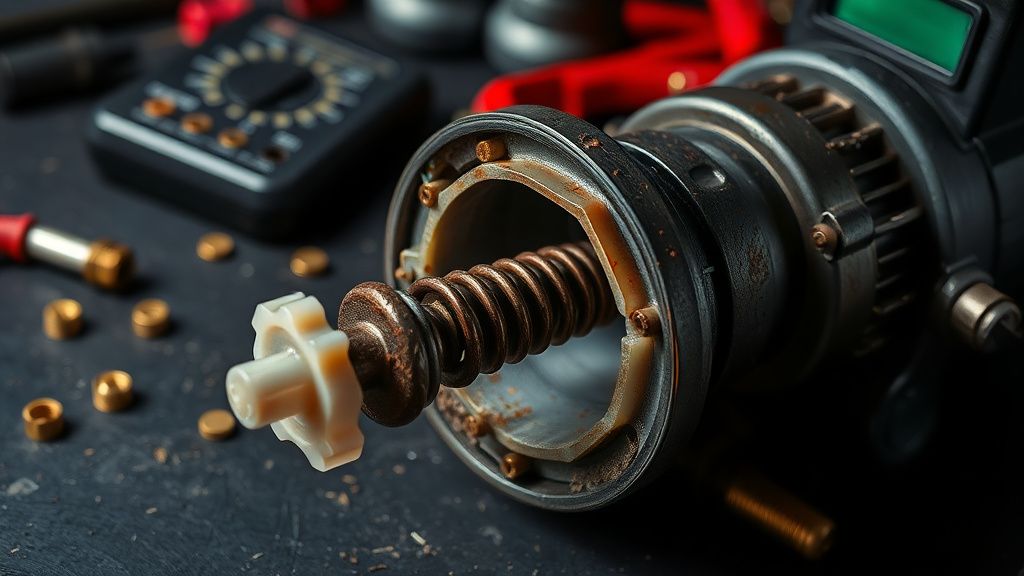
The most common "issue" isn't a broken part; it’s an airlock. Because the Gaggia Classic Pro uses a vibratory pump that relies on water density to create pressure, if your tank ran dry, the pump is now trying to compress air instead of water. Air is compressible; water isn't. The pump will sound loud, rattle like a trapped bee, and output nothing.
- The Syringe Trick: If the pump is cycling but no water hits the group head, use a 60ml medical syringe (without the needle) filled with water. Disconnect the intake tube from the tank, attach the syringe to the hose, and force-feed water into the pump while it is running. This creates the necessary pressure to "prime" the piston.
- The Gravity Feed: Sometimes simply tilting the machine slightly—carefully—while the pump is running can help the water find its way into the intake valve.
Dealing with Solenoid Valve Obstruction
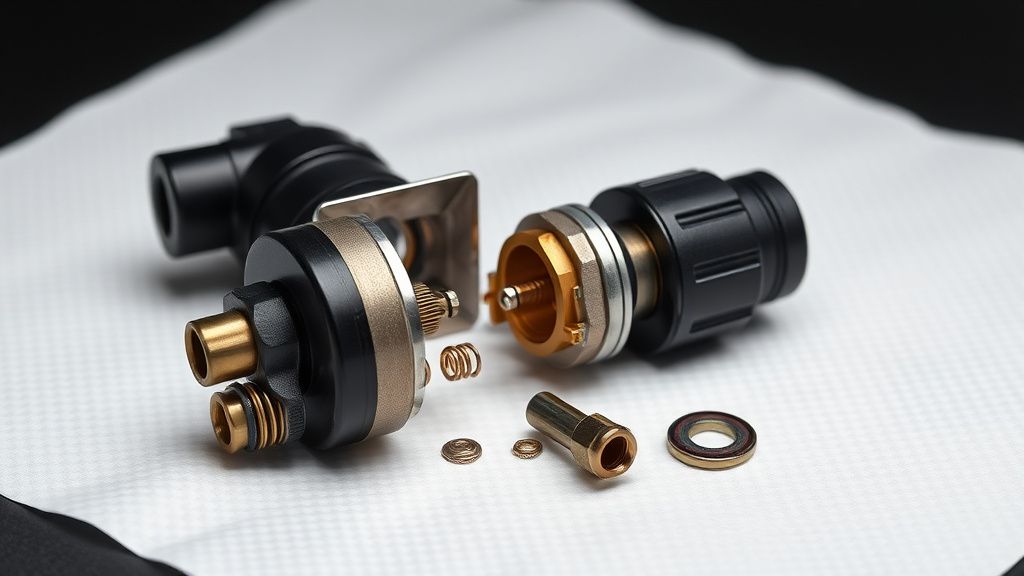
If you hear the pump running, the machine sounds "pressurized," but nothing comes out of the group head, the culprit is almost certainly the 3-way solenoid valve. This component is the "brain" of the water routing. It directs water to the group head during brewing and dumps residual pressure into the drip tray when you stop the shot.
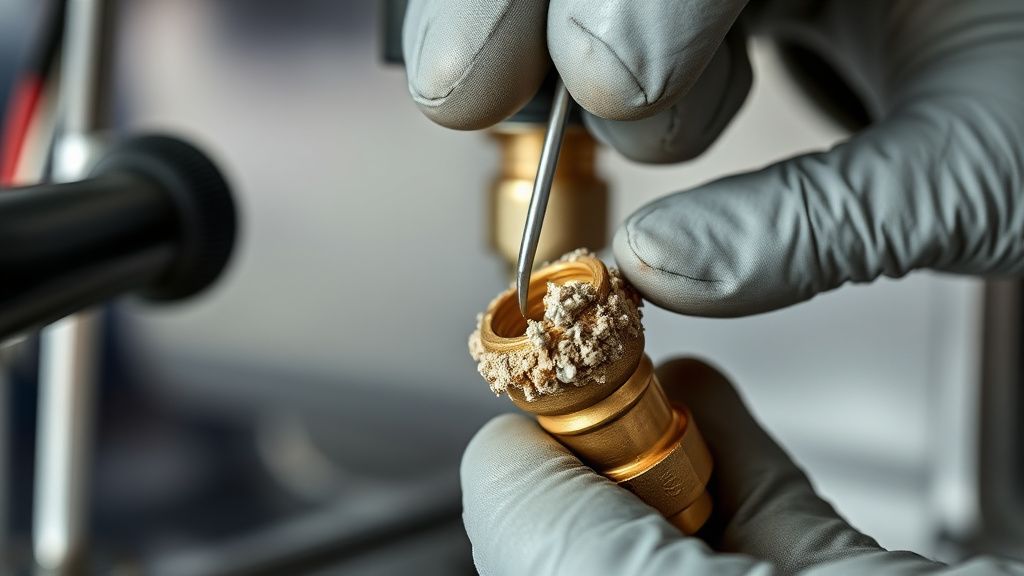
If a piece of scale—a white, crusty fragment of calcium carbonate—breaks off from the boiler and lodges inside the solenoid’s tiny orifice, the machine hits a brick wall.
"I’ve seen dozens of these machines where users tried to descale without removing the solenoid. You aren't just cleaning the boiler; you're pushing a rock into the valve’s throat. If you have no flow, stop descaling immediately. You have to pull the valve, disassemble the coil, and physically clear the plunger." — Senior Technician, Forum post on r/espresso, 2023.
The Operational Reality: Why We Can’t Just "Replace the Pump"
You might read on some forums that the fix is to "just swap the pump." Before you drop $40 on a new ULKA pump, check the electrical continuity. Many "pump failures" are actually terminal spade connectors that have oxidized or shaken loose due to the intense vibration of the unit.
Check the two electrical leads running to the pump. Over time, the heat from the boiler causes the plastic housing on these connectors to brittle and crack. If the pump isn't getting power, it won't vibrate. Use a multimeter set to AC voltage. If you aren't seeing 120V (or 230V, depending on your region) reaching the pump terminals while the brew switch is toggled, your problem isn't the pump—it’s the Microswitch behind the brew button or the Wiring Harness.
The Scaling Epidemic: A Technical Deep Dive
Water chemistry is the silent killer of domestic espresso machines. If you are using hard water (high mineral content), you are essentially running liquid concrete through a machine that wasn't designed for it, which can lead to various problems, including leaking water in advanced models.
When you get "no flow," you are often looking at a blockage at the Group Head Filter Screen or the Dispersion Plate. Unscrew the hex bolt in the center of the group head. If that shower screen is caked in coffee oils and scale, it won't pass water regardless of what the pump is doing.
- The Reality of Descaling: Commercial descalers are acidic. They don't just eat the scale; they can eat the brass seals if left too long. We see machines in the shop with "ghost" leaks because a user let a heavy citric acid solution sit in the boiler for 48 hours to "guarantee" a clean machine. Don't do that.
Counter-Criticism: Are Gaggia Repairs Worth It?
There is a massive debate in the DIY community regarding the Gaggia Classic Pro’s build quality. Critics argue that the move from the older "Classic" (pre-2015) to the "Pro" introduced cheaper switches and more plastic components that are prone to thermal fatigue.
The "Pro" camp argues that the solenoid-driven design is far superior to any thermoblock machine in the same price bracket. Both are right. The Gaggia is a repairable machine, which is both its greatest strength and its most annoying feature. It breaks, yes—but you can fix it. A $1,000 "smart" espresso machine usually breaks, stays broken because of proprietary locking, and becomes an expensive paperweight.
Step-by-Step Diagnostic Protocol for "No Flow"
- Test the Pump Directly: Isolate the pump. Connect it to power. If it hums but pushes no air, the internal spring is likely broken.
- Verify the Intake Line: Check for air leaks in the silicone tubing leading from the tank. If the tube is cracked, it sucks air, and the pump will never build pressure.
- Check the Solenoid: Is it clicking? If you hear a loud "CLACK" when you hit the brew button, the solenoid is energized. If you don't hear a click, it might be dead or jammed.
- Inspect the Thermal Fuse: Sometimes the boiler gets too hot, and the thermal fuse on top of the boiler trips. This cuts power to everything. If your machine is dead, check for continuity across the thermal fuse.
Why does my pump make a loud, grinding noise but no water comes out?
This is a classic dry-run symptom. The pump has lost its prime. Air is trapped in the chamber. Try the "syringe trick" mentioned above to force water into the intake. If that fails, your pump's internal plastic components have likely worn out and cannot sustain the pressure required to open the OPV (Over Pressure Valve).
Is it safe to use vinegar to clear the blockage?
Honestly? No. Vinegar is weak and leaves a lingering taste in the boiler. Use a dedicated espresso machine descaler (citric/sulfamic acid based). Vinegar doesn't break down severe calcium buildup effectively and can be corrosive to the aluminum boiler lining if the protective coating is already compromised.
My Gaggia is leaking water inside the case. Is this related to no flow?
It is often the cause. If a hose has popped off under pressure, the system cannot maintain the 9 bars of pressure needed to extract coffee. You are losing pressure at the leak, so nothing reaches the group head. Open the case, run the pump, and look for the "weeping" connection. It’s almost always a worn-out hose clamp.
Can I upgrade the pump to something quieter?
You can, but be careful. Many "silent" aftermarket pumps don't have the same flow characteristics as the standard ULKA E5. You might get a quieter machine, but you might also find that your flow rate changes, affecting your espresso recipes. Proceed with caution.
Why do some forums suggest "backflushing" to fix flow issues?
Backflushing with a blind filter is great for cleaning the solenoid and group head, but it won't fix a pump blockage. If your pump is already failing, backflushing puts unnecessary stress on the machine. Only use backflushing as a maintenance routine, not a repair step for a machine that is already "no flow."
Final Thoughts on Scaling and Maintenance
If you are currently staring at a broken machine, don't feel discouraged. The Gaggia Classic Pro is a machine that demands a relationship. It isn't a "set it and forget it" appliance. It is a manual tool. When it stops working, it is usually because it is telling you it needs a cleaning, a gasket, or a new hose. The "no flow" condition is the most common hurdle every Gaggia owner faces. Once you pass this, you have officially transitioned from a "user" to an "owner."
Keep the machine clean, use filtered water, and for the love of everything, don't force a stuck valve. It’s better to replace a $30 fitting than to strip the threads on a $200 boiler. Keep your tools handy—you’re going to need them again in about 18 months.