
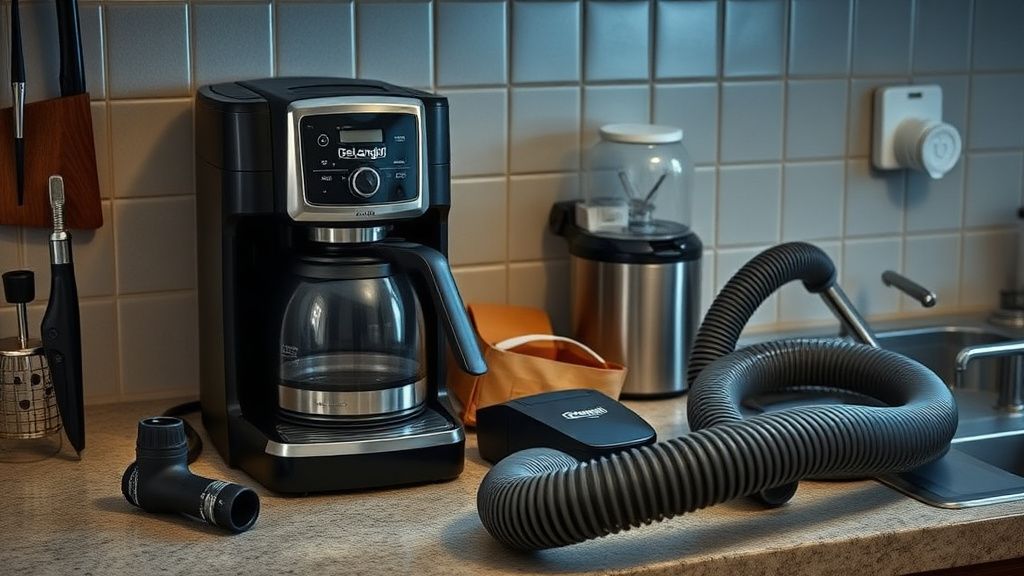
If your DeLonghi Magnifica S grinder is jammed, or if you're dealing with a DeLonghi Magnifica Evo grinder jam, don't panic or reach for the screwdriver just yet. Most jams are caused by debris or "oily" beans trapped in the burrs. Start by emptying the bean hopper, using a vacuum to clear loose particles, and adjusting the grind dial to the coarsest setting to see if it clears the obstruction manually.
The Grinder Mechanism: Anatomy of a Failure Point
After 15 years on the bench, I’ve seen more Magnifica S units than I care to count. The grinder assembly isn't a masterpiece of aerospace engineering; it’s a rugged, plastic-heavy, burr-driven workhorse that operates on a razor-thin margin between "perfect espresso" and "total mechanical lockout."
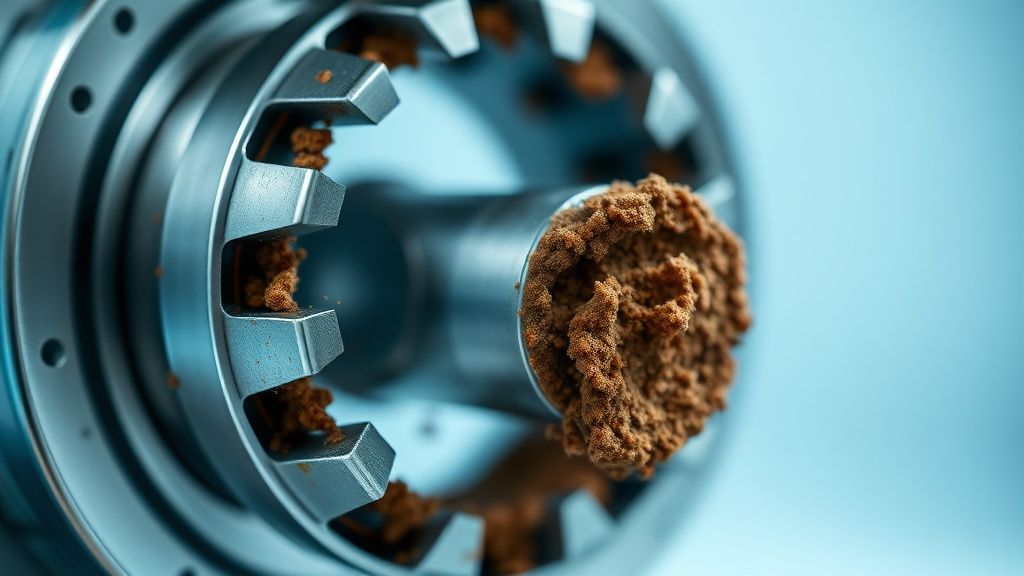
When the motor hums but the burrs don't turn, or when you hear that ominous, high-pitched whine followed by an "All Lights Flashing" error code, you are likely dealing with a physical obstruction. The DeLonghi conical steel burr assembly, much like the grinder in a Breville Oracle Touch, is designed to process coffee, not pebbles or rogue foreign objects. However, even high-end, light-roast beans can create a "bridge" in the narrow chute if they are too oily or if the grind setting was adjusted while the motor was at a dead stop.
Why "Fine" Settings Are Often Your Worst Enemy
The most common mistake users make—and the reason my shop is perpetually busy—is adjusting the grind dial to its finest setting while the machine is off. The DeLonghi system requires the burrs to be moving to adjust the distance between them. If you tighten the mechanism while static, you’re essentially forcing the steel teeth to collide with a layer of compressed, rock-hard coffee dust.
This causes the "Grinder Jam" state. The motor senses an over-current draw, the control board panics, and the system shuts down to prevent the motor from literally burning out. It’s a safety feature, sure, but it’s one that creates significant operational friction for the end-user.
Real Field Reports: The "Oily Bean" Conspiracy
In the community forums—Reddit’s r/espresso or various proprietary service Discord servers—there is a recurring debate regarding bean quality. Users often report, "My machine worked fine until I bought these specific dark-roast beans."
- The Reality: Dark, oily roasts coat the internal plastic chutes and the burr housing in a sticky, resinous film. Over time, this film acts like glue. When you add high-pressure grinding force, that sticky residue accumulates bits of bean skin and fines until the entire assembly seizes.
- The Conflict: Manufacturers suggest using "standard" roasts, but that’s a polite way of saying "don't use the high-end artisan beans you actually like." You are caught in an economic triangle: the machine is built for convenience, but the physics of coffee extraction—specifically the oils required for a good crema—work against the long-term health of the internal components.
Step-by-Step Recovery: Beyond the Manual
If the basic vacuuming hasn't worked, you need to go deeper. This is where we stop playing by the manual’s rules and start looking at the actual build quality.
- The Hopper Purge: Remove all beans. Vacuum the hopper. If you see a small stone or a piece of debris, grab it with needle-nose pliers. Don't use a metal screwdriver to pry at the burrs; you will mar the steel, and once the teeth are burred, your grind consistency will be trash forever.
- The Adjustment Dial Reset: Set your grinder to the coarsest setting. Many users claim this "breaks" the machine—it doesn't. It creates the physical clearance needed for the motor to restart.
- The "Manual Turn" Technique: If you are brave enough to open the housing, use a long, thin tool (plastic is preferred) to attempt to manually rotate the central burr while the machine is unplugged. If it’s stuck, it’s wedged.
- The Compressed Air Hack: A lot of service techs swear by compressed air, but be careful. If you blow debris deeper into the motor housing, you're not fixing the jam; you're just shifting the problem to the electrical components.
Troubleshooting the "Grinder Jam" Error Codes
When the Magnifica S flags a jam, it is often a software-side acknowledgment of a hardware-side failure, similar to how other machines might display specific alerts like a Jura E8 Error 8 indicating a brew group issue. If you have cleared the burrs and the error persists, you have an Internal Sensor Failure or a Blocked Chute.
- The Chute Blockage: The chute connecting the grinder to the brewing unit is a narrow, dark, and humid tunnel. Coffee grounds love moisture. If you are using an external water filter or have a high-humidity kitchen, those grounds turn into a concrete-like plug.
- Engineering Compromise: DeLonghi engineers opted for a compact, vertical chute design to save counter space. This design is fundamentally prone to clogging. It is an engineering compromise: aesthetics and space vs. maintenance ease.
Community Insights: The "Workaround" Culture
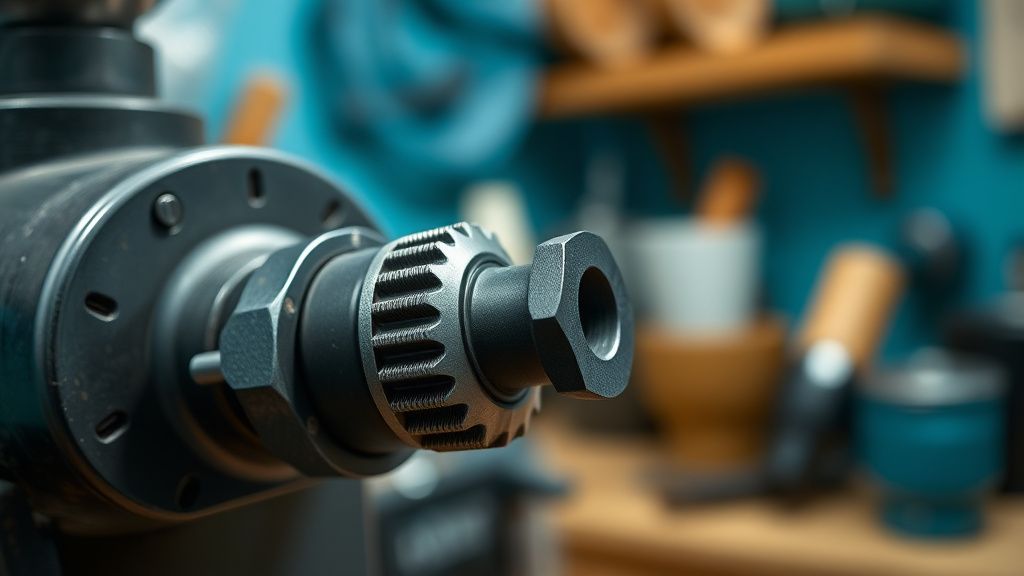
Look at GitHub issues for open-source home automation projects involving DeLonghi machines, or search the "DeLonghi Repair" threads on various DIY forums. You’ll find a massive amount of "workaround culture." Users are bypassing safety sensors, 3D printing custom shims for the grinders, and using food-grade silicone grease to prevent the oils from sticking to the housing.
Is this dangerous? Yes. Will it void your warranty? Absolutely. But when you’re three years into ownership and the manufacturer tells you to send the unit in for a repair that costs 60% of a new machine, you start learning how to become a technician yourself.
The Economic Reality: Repair vs. Replace
The service industry for these appliances is effectively dead in many markets because the labor cost exceeds the machine's value. This is why "Quick DIY Repair" isn't just a suggestion; it’s a survival tactic for your hardware. If you can’t fix the jam, the machine becomes e-waste.
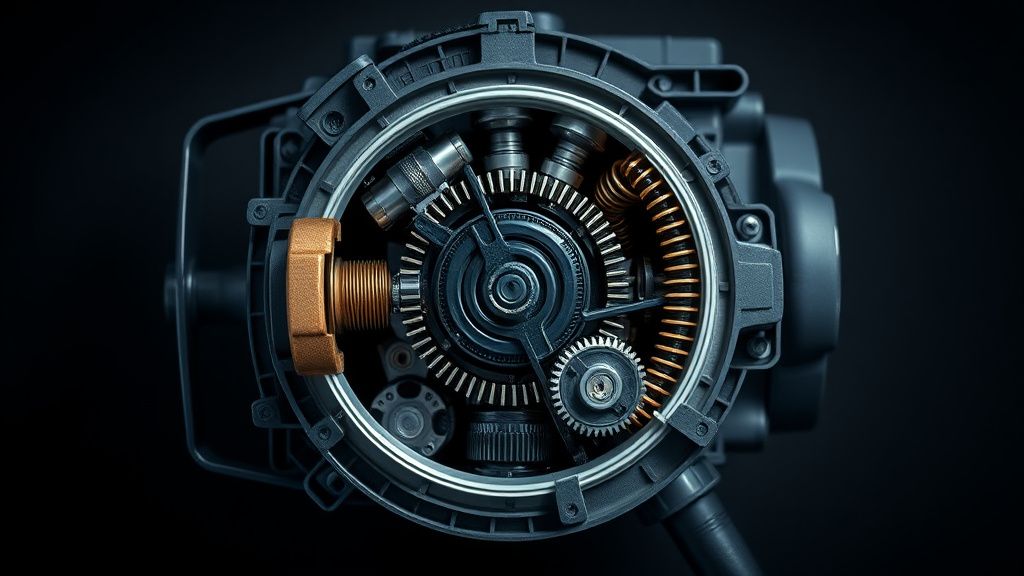
- Failure Point Analysis: The plastic gear housing inside the grinder assembly is designed to be the "fuse." If the burrs jam, the plastic gears strip. It’s cheaper to replace a plastic gear than a motor or a control board. If you hear a grinding noise that sounds like a lawnmower hitting a rock, you have likely already stripped these gears.
- The "Hype" Problem: Everyone loves the idea of an "automatic" morning cup. Nobody talks about the descaling cycles, the internal cleaning, the vacuuming, and the inevitable component fatigue. You aren't just buying a coffee maker; you’re buying an appliance that requires a maintenance schedule as rigorous as a vintage car.
Why Your Machine Might Never Be "New" Again
Once you have cleared a significant jam, the grinder calibration is rarely identical to what it was fresh from the factory. You have physically moved the burrs and potentially cleared out years of accumulated fine dust (coffee "dredge"). Your next few shots will taste erratic. This is not a failure of your repair; it is the system recalibrating to a clean state.
- Pro-Tip: Run a "sacrificial" half-bag of cheap beans through the machine after a deep clean. This "seasons" the burrs and helps clear any remaining fine debris that might have been pushed into the casing during your cleaning process.
FAQ
Why does my DeLonghi keep saying "Grinder Jam" even after I vacuumed it?
Can I use a screwdriver to clear the jam?
Is the DeLonghi grinder repair something I can do in an hour?
Is it okay to use "oily" beans in the DeLonghi?
Why don't they make the grinder easier to clean?
Will changing my grind settings stop the jams?
Final Operational Verdict
The DeLonghi Magnifica S is a lesson in compromise. It provides excellent convenience at the cost of being a highly sensitive machine that requires you to understand its limits. If you approach it with the assumption that it is a "set and forget" device, you will be disappointed and frustrated when the lights start blinking. If you approach it as a piece of mechanical engineering that requires regular inspection and occasional intervention, it can last for years.
When the system fails, don't just look for a way to clear the jam—look for the pattern. Are you over-filling the hopper? Are your beans too oily? Did you change the grind size while the motor was resting? The "Quick Repair" is a patch; understanding the behavior that caused the jam is the true solution.