The "No Power to Rc" error is the most frequent point of failure for Ecobee smart thermostats, usually stemming from a lack of common wire (C-wire) voltage or a tripped safety switch in the HVAC unit. This guide provides a professional framework for diagnosing, fixing, and scaling a service business around this specific, high-demand smart home repair niche, similar to building high-margin service models for cybersecurity audit services in ultra-high-net-worth homes.
Problem Nedir (What is the Problem?)
The "No Power to Rc" error indicates that the Ecobee thermostat is unable to detect a consistent 24VAC (alternating current) supply between the Rc (Cooling Power) terminal and the C (Common) terminal. Unlike traditional "dumb" thermostats that run on battery power or use "power stealing" (a method of drawing current through the furnace control board), Ecobee thermostats require a constant, dedicated 24V supply to power their high-resolution touchscreens, Wi-Fi radios, and cloud-syncing processors.
When this connection is interrupted, the device enters a protective state. The logic board inside the Ecobee recognizes that it cannot pull enough amperage to maintain its wireless connection and screen brightness without risking a brownout. Consequently, it shuts down all relay functions to prevent "short-cycling" the furnace or AC unit, which could otherwise lead to permanent damage to your HVAC control board.
Belirtileri (Symptoms)
Homeowners typically report a sudden, disconcerting loss of climate control. The symptoms are unmistakable and usually manifest in the following order:
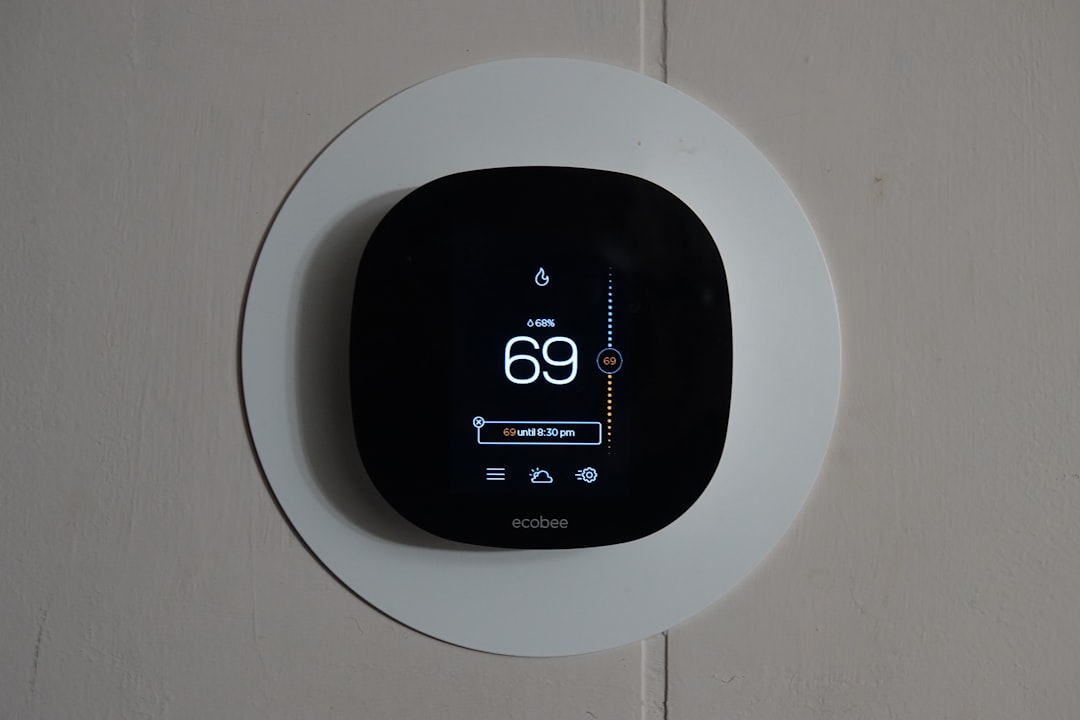
- Black Screen/Non-Responsive Display: The most common symptom. The thermostat simply stops responding to touch or voice commands.
- "No Power to Rc" Error Code: If the device has enough residual power to boot to the recovery screen, it will explicitly state that there is no voltage detected at the Rc terminal.
- App Offline Status: Inside the Ecobee app, the device status will toggle to "Offline." Users will lose the ability to change the temperature remotely.
- HVAC Equipment Failure: The furnace or air conditioner will not kick in when the ambient temperature deviates from the set point.
- Clicking Sounds at the Furnace: If you are standing near the HVAC control board, you might hear a rhythmic clicking or buzzing—this is often the contactor or furnace relay attempting to engage but failing due to unstable voltage.
Olası Nedenler (Possible Causes)
Diagnosing this is rarely about the thermostat itself; it is almost always about the infrastructure the thermostat is trying to control.
- Missing C-Wire (The "Power Stealing" Illusion): Many older homes lack a Common wire. If a homeowner used a PEK (Power Extender Kit) incorrectly, the wiring might have come loose during installation.
- Tripped Float Switch: This is the #1 culprit in the field. If your condensate drain line is clogged, the secondary drain pan safety switch (float switch) will break the 24V circuit to the thermostat to prevent water damage.
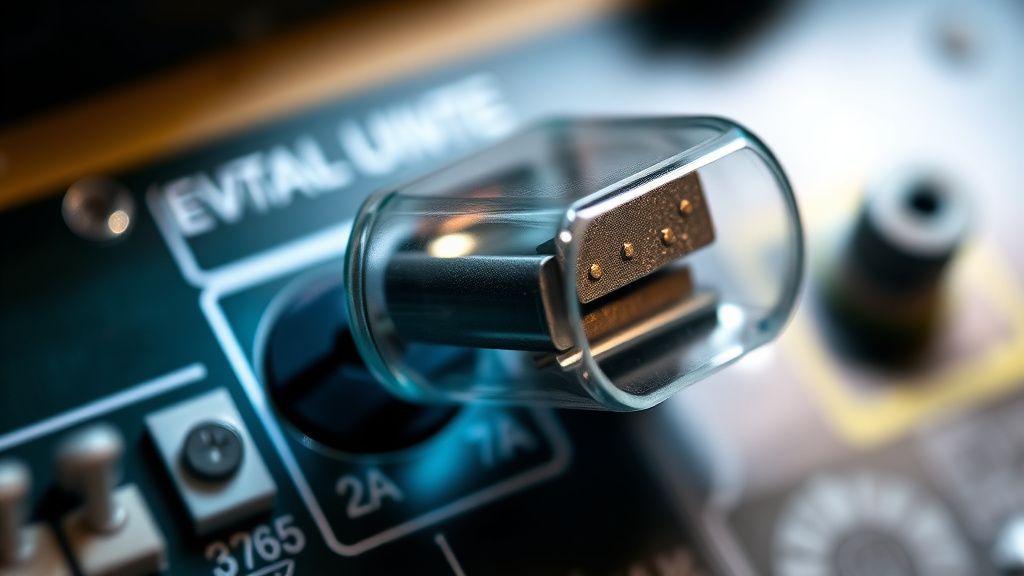
- Blown HVAC Fuse: Most furnace control boards contain a 3A or 5A automotive-style blade fuse. If there was a short circuit during the thermostat installation, this fuse will blow, killing power to the "R" wire entirely.
- Loose Wiring at the Terminal Block: Vibrations from the air handler or poor wire stripping can lead to a "cold solder" or loose connection at the thermostat baseplate, leading to intermittent power.
- Firmware/Software Bug: While rare, some legacy Ecobee models (like the original Ecobee3) have developed internal power management failures over time due to capacitor aging.
Quick Fixes (Hızlı Çözümler)
If you are a professional, you should always start with these non-invasive diagnostics, just as you would when troubleshooting complex appliance issues like a Roomba j7+ Error 30. Speed builds trust.
- The "Door" Check: Verify the furnace access panel is pushed in fully. Most furnaces have a safety interlock switch that cuts power if the door is removed. It sounds silly, but it accounts for more service calls than advanced technical faults, much like how users often overlook simple maintenance steps that lead to issues like a Philips Air Fryer E2 error or a Keurig descale cycle failure. for 15% of service calls.
- Float Switch Inspection: Look at the condensate line (the white PVC pipe coming out of the AC unit). If the float switch is triggered, the circuit is broken. Clear the drain line with a shop vac.
- Reseat the Thermostat: Pop the Ecobee off the wall. Ensure all wires are firmly seated in the terminal blocks. Pull on each wire gently to ensure they are locked into the spring-loaded connectors.
- Check the Fuse: Open the furnace panel and locate the control board. Look for a standard 3A fuse. If the plastic is blackened or the metal bridge is broken, replace it with an identical fuse.
- Power Cycle: Turn off the circuit breaker dedicated to the HVAC system for 60 seconds, then turn it back on. Sometimes the control board just needs a hard reboot to clear a protective lockout.
Advanced Fixes (İleri Düzey Çözümler)
For the technician who needs to move beyond simple troubleshooting, the "Advanced Fixes" involve mapping the signal path.
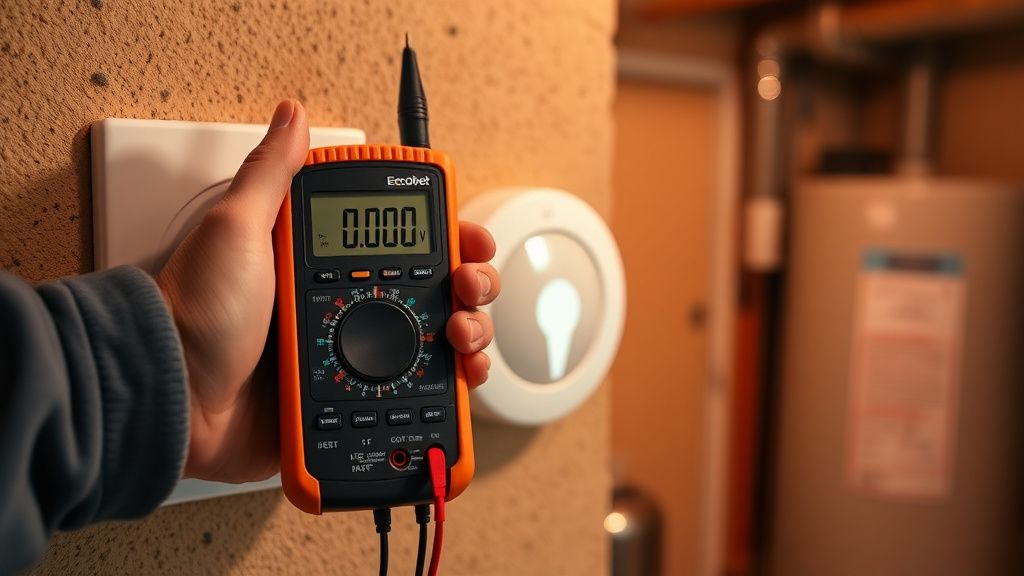
- Voltage Differential Testing: Set your multimeter to AC Voltage. Measure between C and Rc. You must see 24V–28V. If you see 0V, measure between C and Y (Cooling). If you have power at Y but not Rc, you have a broken R-wire (the wire connecting the furnace to the thermostat).
- The PEK Bypass Test: If the PEK is installed, verify the connections at the control board. Many technicians mistakenly connect the PEK wires to the furnace's line voltage (120V) terminals instead of the 24V side, which immediately incinerates the PEK and the thermostat. Bypass the PEK and hardwire the C-wire directly from the transformer to verify if the PEK itself is the point of failure.
- Tracing the "Common" Path: If no C-wire is present, install an Add-A-Wire kit or run a new 18/5 thermostat wire. This is a labor-intensive but highly profitable "upsell" service.
- Checking the Transformer Output: Sometimes the 24V transformer itself is failing. Measure the secondary side of the transformer. If it is outputting less than 20V, it is failing and will cause the Ecobee to report power fluctuations.
Factory Reset (Fabrika Ayarlarına Döndürme)
If you have confirmed that the wiring is perfect and the equipment is functioning, but the device is still acting erratically, a factory reset is the final software step.
- Access the Main Menu on the thermostat.
- Navigate to Settings.
- Select Reset.
- Choose Reset All Settings.
- Warning: This will wipe your Wi-Fi credentials, thermostat schedules, and equipment configuration. You will need the Ecobee registration code to reconnect it to the app.
When to Replace (Ne Zaman Yenisiyle Değiştirilmeli?)
As a professional, you must be honest with the client about the cost-benefit analysis of repair versus replacement.
- Burned PCB: If you open the Ecobee and smell ozone or see scorched traces on the printed circuit board, the internal electronics have suffered a surge. Repair is impossible.
- Dead Screen/Digitizer: If the touch input is unresponsive and the display is flickering, the ribbon cable or internal screen controller has failed.
- Compatibility Issues: If the homeowner has upgraded to a complex multi-stage heat pump system that the older Ecobee model cannot control efficiently, it is time for an upgrade.
Service Professional Tip: Always keep a "loaner" unit in your van. If the customer is desperate and you aren't sure if the issue is the unit or the wiring, pop in a known-good unit. If the unit powers on, you know the wiring is fine and the client's unit is the problem.
Real Field Reports (Gerçek Saha Raporları)
Case Study A: A client in a 1980s build had constant "No Power to Rc" errors. The previous installer had used the Y-wire as the Common wire, causing the AC to click on and off. Resolution: Ran a new 18/5 wire (C-wire installation) and bypassed the existing faulty splice behind the drywall. This is a high-margin job that takes about 90 minutes.
Case Study B: A homeowner replaced their own Ecobee and tripped the furnace fuse. They replaced the fuse, but the Ecobee still wouldn't power up. Resolution: They had used the wrong terminal (Rh instead of Rc). On some dual-transformer systems, this creates a ground loop. A quick terminal swap solved it.
Counter-Criticism/Debate (Karşılıklı Eleştiri)
There is a significant debate in the HVAC community regarding "Power Stealing" thermostats. Traditionalist HVAC technicians often argue that smart thermostats like Ecobee are "over-engineered" and cause unnecessary strain on older, sensitive furnace control boards. They argue that if a home isn't wired for a C-wire, the homeowner should stick to mechanical thermostats.
The Counter-Argument: The efficiency gains of smart scheduling and geofencing pay for the cost of installing a proper C-wire within two heating/cooling seasons. As a service professional, you shouldn't just "fix" the problem—you should modernize the infrastructure. Installing a proper C-wire is not just a repair; it is a long-term investment in the home's electrical reliability.
FAQ
Is it safe to leave my HVAC unit running with a "No Power to Rc" error?
Can I just use a different wire as the C-wire?
Why does the error only happen at night?
How much should I charge for a "C-wire" installation?