
If you’re staring at your Breville Oracle Touch (BES990) and watching the steam wand sputter or the brew pressure gauge flatline, you are experiencing the quintessential "Prosumer" tragedy. The machine, which costs more than a decent used motorcycle, has just decided that its internal hydraulics are no longer a priority. Most users search for a "Quick Repair" expecting a software toggle or a simple descaling cycle; the reality is a deep dive into fluid dynamics, corroded solenoid valves, and the inevitable entropy of high-pressure copper piping.
The Anatomy of Pressure Failure: Why Your Oracle Touch Stopped Pulling
The Oracle Touch is essentially a dual-boiler commercial unit wrapped in a consumer-friendly, high-definition touchscreen facade. It is not an appliance; it is a pressurized chemical laboratory. When pressure drops, your culprit is usually one of three things: a failed vibration pump, a blocked solenoid valve (the Olab or CEME units used internally), or, most frustratingly, a catastrophic failure of the O-rings inside the boiler couplings.
The Solenoid Valve Conundrum and Blockage Patterns
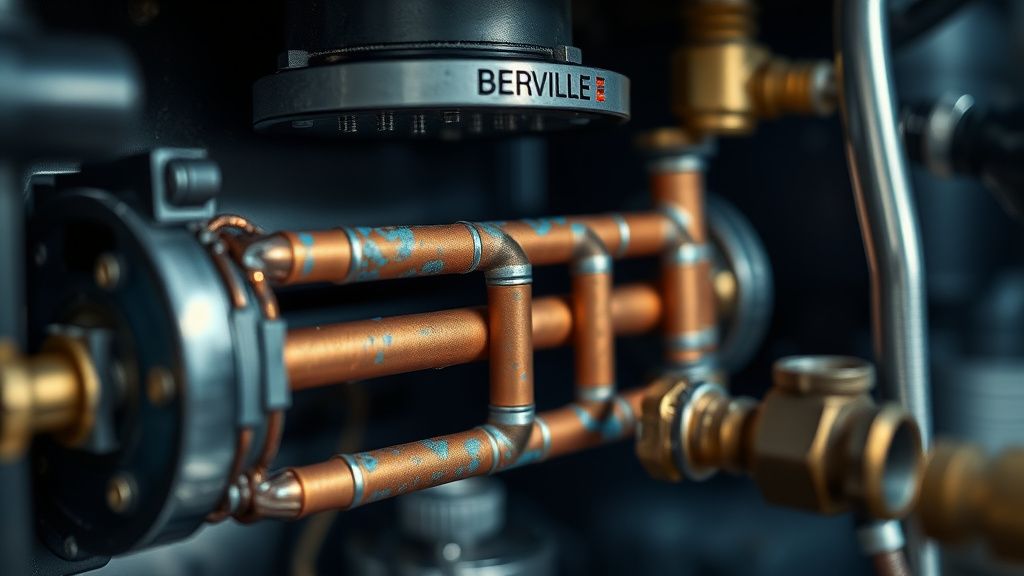
The solenoid valves are the traffic cops of your coffee machine. In the Oracle, these are 3-way valves that direct water flow between the brew group and the steam boiler. Over time, calcium carbonate—the arch-nemesis of any espresso enthusiast—builds up in the tiny orifices.
On forums like Home-Barista or the r/espresso subreddit, you’ll see endless threads about the "clicking" sound that doesn't trigger flow. If you hear a click but no movement, you aren't looking at a pump failure; you’re looking at a stuck solenoid plunger. The engineering compromise here is clear: Breville uses plastic-housed solenoid mounts in some iterations to save costs, which can warp under extreme heat, leading to internal leakage that drains your system pressure before it even reaches the puck.
Real Field Reports: The "Ghost" Pressure Leak
In the field, we see a specific type of failure that rarely makes it into the official manual. I call it the "Phantom Pressure Drop." A customer reports that the machine loses pressure halfway through a shot. After pulling the panels, we find that it isn't the pump at all—it's the PTFE tubing.
The high-pressure lines inside the Oracle use quick-connect fittings. Over three to five years, the heat cycles cause the plastic tubing to harden and shrink microscopically. This creates a tiny air leak that doesn't drip water visibly because the heat evaporates the moisture instantly. You are essentially trying to pressurize a system with a pinhole leak. You won't find this in an error code readout. The machine thinks everything is fine, but the physics disagree.
Troubleshooting the Vibration Pump: Is It Actually Dead?
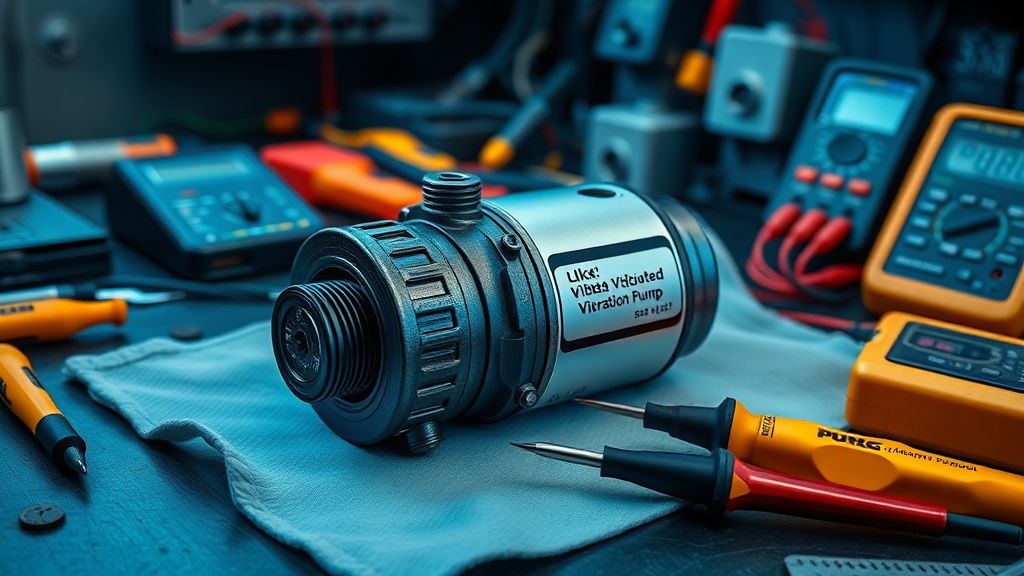
The Ulka pumps used in these machines are rated for a certain number of duty cycles. If you’re the type of person who pulls six shots every morning for the whole household, you are pushing the mechanical lifespan of a pump that is meant for a smaller capacity.
- The Hum Test: If the pump is silent, you have an electrical issue (thermal fuse or logic board).
- The Rattling Test: If the pump is loud but pressure doesn't build, you have a mechanical failure—usually the spring-loaded plastic piston inside the pump housing has snapped.
- The Flow Restriction: If the pump feels weak, check the intake filter in the water tank. If that clogged mesh is restricted, the pump cavitates. It’s like trying to drink a thick milkshake through a coffee stirrer.
The Politics of Repair: Proprietary Parts vs. The Right to Fix
One of the core tensions in the Oracle Touch ecosystem is the proprietary nature of the parts. Breville, in its infinite wisdom, uses specific thread pitches on their fittings that don't always align with standard plumbing parts from your local hardware store. This forces a culture of "Workaround Engineering."
When you search for a replacement steam boiler valve, you will find users on GitHub discussing 3D-printed gaskets or sourcing industrial-grade Viton O-rings to replace the OEM ones that fail due to the high-temperature environment. The "official" path is to ship it to a service center—an expensive, multi-week ordeal that effectively kills the "freshness" of your daily espresso routine.
Counter-Criticism: Why the "Quick Repair" Is Often a Band-Aid
There is a segment of the community that argues that "quick repairs" on a machine this complex are dangerous. If you misalign a pressure-rated fitting, you aren't just looking at a mess; you’re looking at pressurized boiling water spraying onto sensitive electronics.
I’ve seen machines where a user attempted to bridge a thermal fuse because they "just wanted a coffee." That machine became a fire hazard within 48 hours. When we talk about pressure loss, we must acknowledge that some systems are designed to fail-safe. If your machine is losing pressure, it might be the machine telling you the boiler seal is compromised, not just the pump. Ignoring the seal to "fix" the pressure is how you end up with a rusted logic board.
Deep Dive: The Logic Board and Sensor Drift
Sometimes, the Oracle Touch reports low pressure, but the pump is perfectly healthy. This is a sensor issue. The internal pressure transducer is a small electronic component that converts hydraulic pressure into a voltage signal. Like all sensors, they drift.
If you are seeing 7 bars when you know you should be getting 9 (based on flow rate or puck resistance), verify your sensor ground. A dirty or oxidized contact at the connection point between the pressure transducer and the main PCB can introduce enough resistance to skew the reading. This is a common "phantom" issue where the machine throttles the pump because it thinks it’s at maximum pressure, when in reality, it's operating at a deficit.
Scaling and Infrastructure Stress: The Reality of Hard Water
No guide on pressure loss would be complete without talking about the "Silent Killer": Scale. Even with high-end filtration, the Oracle Touch’s thermoblock and steam boiler will eventually calcify.
Scale causes:
- Reduced Pipe Diameter: Increases backpressure, fooling the pump into thinking it's hitting its limit.
- Valve Stiction: Calcium buildup acts like glue on solenoid plungers.
- Sensor Insulation: Scale acts as an insulator on probes, causing the machine to misinterpret temperature, leading to erratic pressure management during the extraction window.
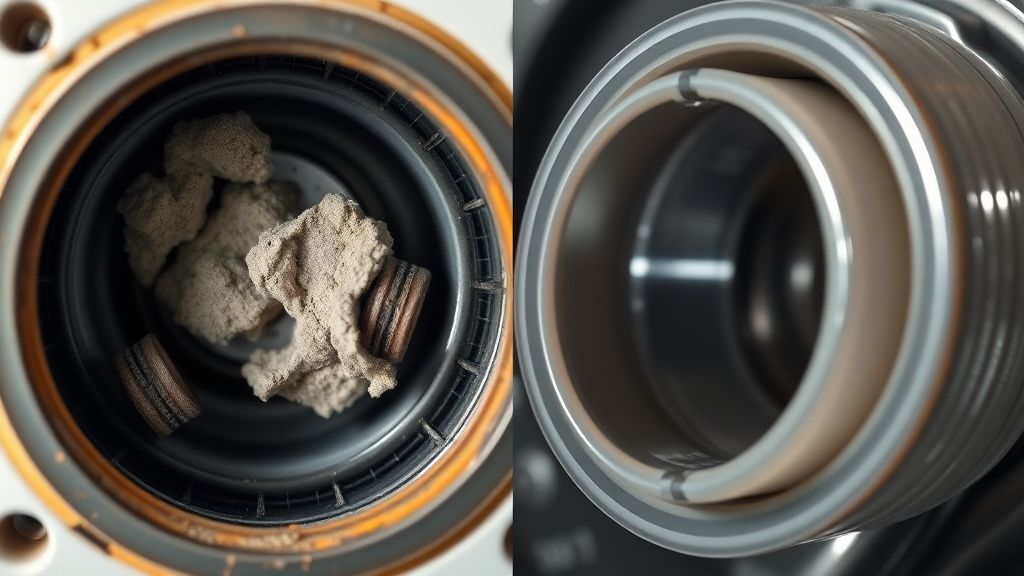
If you live in a hard water area, your "repair" is likely just a deep descaling session. But be warned: if the scale is too thick, the chunks dislodged by a strong descaling solution will inevitably travel downstream and plug the group head screen or the solenoid valve entirely. Sometimes, the cure is worse than the disease.
The Lifecycle of a Repair: What to Expect
If you decide to open the machine, prepare for a mess. The Oracle Touch is packed tight. You will need to remove the top casing, which involves hidden screws behind the group head area.
- Phase 1: Diagnosis. Use a multimeter to check for continuity in the pump circuit.
- Phase 2: The Physical Inspection. Look for "blueish-white crust" on fittings. That is your telltale sign of a leak.
- Phase 3: Part Replacement. Don't just replace the O-ring; replace the fitting if it shows pitting. Brass is soft; it deforms.
- Phase 4: Calibration. After replacing parts, you may need to reset the machine’s internal flow limiters via the diagnostic menu—which, notably, is hidden behind a specific sequence of button presses that Breville rarely publishes.
The Human Element: Why We Tolerate the Complexity
Why do we do it? Why not just use a simple manual lever machine that costs a fraction and lasts fifty years? Because the Oracle Touch promises the "third wave" coffee experience with the push of a button. It is a promise of consistency in a chaotic world.
The frustration we feel when the pressure drops isn't just about the money; it’s about the broken expectation of reliability. We want the convenience of an iPhone with the industrial power of a Slayer. The reality is that the more "smart" features you add to a mechanical system, the more points of failure you introduce.
How do I know if my pump is dead or if it's just a blockage?
If you hear a faint humming sound coming from the machine when you trigger a shot, but the pressure gauge doesn't move and no water comes out, your pump is likely active but blocked. If you hear nothing at all, check the thermal fuse and the wiring harness leading to the pump.
Why does my Oracle Touch lose pressure only when the steam wand is used?
This is a classic symptom of a failing check valve or a leaking steam boiler solenoid. When you open the steam valve, the system pressure drops. If the check valve (which prevents backflow from the steam boiler to the brew boiler) is faulty, the entire system loses stability, leading to a drop in brew pressure.
Can I use store-bought descaler for the "Deep Clean" mode?
You can, but follow the concentration ratios exactly. Most users cause more damage by using too much descaler, which can eat away at the rubber seals in the solenoid valves. If you have severe blockage, a chemical descale may not be enough; you may need to physically disassemble the valves and clean them manually.
What is the "hidden menu" for diagnostics?
Breville machines have an internal diagnostic mode often accessed by holding specific buttons (usually the 'Power' and 'One Cup' buttons) while plugging the machine in. This allows you to test individual components like the solenoid and the pump. Note: Use this with caution. Triggering these tests without water in the lines can dry-run and burn out your pump.
Are there aftermarket parts that are more reliable than the OEM ones?
Yes. Specifically, look for high-temperature Viton O-rings (size 007 or 008, depending on the fitting). The standard silicone rings provided by the factory tend to "bake" and flatten over time. Switching to Viton is a common "pro" upgrade that significantly extends the interval between maintenance cycles.
Is the pressure gauge on the front of the machine accurate?
Generally, yes, but it is an analog display of a digital reading. It is calibrated to the pressure at the group head. If your gauge shows 9 bars but the coffee tastes sour, don't trust the gauge. Trust your palate. The gauge might be calibrated for flow, but it doesn't account for puck degradation or channeling.
How often should I replace the internal PTFE tubing?
Ideally, every 3 to 5 years if you use the machine daily. If you notice any discoloration (browning or hardening) in the clear tubing during your annual cleaning, replace it immediately. It’s cheap, and it prevents the most common cause of internal pressure loss.
Final Thoughts: Navigating the Repair Ecosystem
The "Quick Repair" for a Breville Oracle Touch is often a myth. It is a slow, methodical process of elimination. You are dealing with a machine that is trying to be everything to everyone, and in doing so, it occupies a fragile middle ground between industrial hardware and consumer convenience.
When you fix it yourself, you aren't just saving money—you’re learning the language of the machine. You start to recognize the specific hum of the pump, the way the pressure gauge should respond to a fresh grind, and the subtle sound of a leaking seal. That is the barrier to entry for true coffee mastery. If you can’t maintain the machine that makes your coffee, are you really a coffee lover, or are you just a consumer of convenience? The struggle, as frustrating as it is, is part of the craft. Keep your screwdriver handy, keep your water filtered, and for heaven's sake, keep an eye on those O-rings. The moment you see a drip, you are already behind schedule.