Ring Doorbell devices are the cornerstone of the modern smart home, yet their reliance on inconsistent Wi-Fi signals and varying voltage from legacy doorbell transformers makes "Offline" status the most common frustration for homeowners. Fixing these issues requires a systematic approach to network stability, power delivery, and firmware health, creating a prime opportunity for professional maintenance services.
Problem Nedir (What is the Problem?)
The "Offline" status in the Ring ecosystem occurs when the device loses its heartbeat connection with the Ring cloud servers, similar to how a Gaggia coffee machine requires specific steps when there is no water flow. This is not merely a "power off" state; it is a communication breakdown, often as complex as diagnosing a De'Longhi Magnifica General Alarm or a stuck brew unit. The doorbell is essentially a miniature computer that requires constant upstream data transfer to upload video packets and constant downstream verification to keep the connection alive. When this connection is interrupted, the device ceases to record motion, fails to push notifications to the Ring app, and becomes a literal "dumb" button on your door.
In a professional maintenance context, identifying whether the failure is network-originated (RSSI issues), power-originated (insufficient voltage), or hardware-originated (internal component failure) is the differentiator between a hobbyist and a smart home technician.
Belirtileri (Symptoms)
- App Status: The Ring app displays "Offline" in red, or the device appears as "Last seen X days ago."
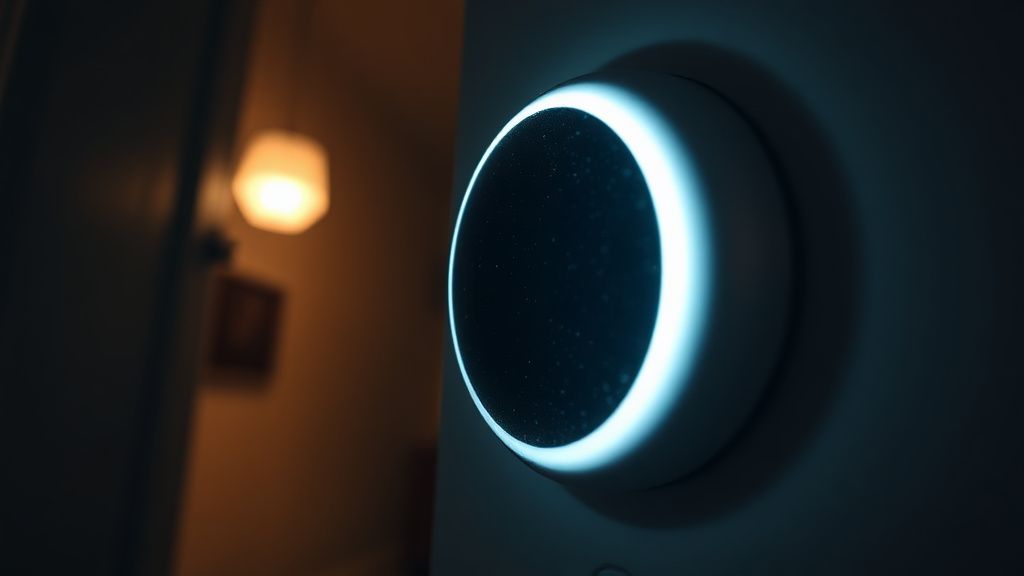
- Visual Indicators: The front LED ring may pulse white, spin, or remain completely dark despite button presses.
- Performance Decay: Prior to going offline, users often report "loading" spinners when attempting to view Live View or highly delayed motion alerts.
- Power Fluctuation: The device shuts down intermittently, especially during cold weather or when the infrared (IR) night vision LEDs activate, which draw significantly more power.
Olası Nedenler (Possible Causes)
- Voltage Sag: The most common cause for wired models, often requiring the same analytical precision needed to solve a Philips Air Fryer E3 error. Traditional doorbell transformers are often rated for 10V–16V, but many newer Ring devices require a stable 16V–24V AC current, a technical nuance similar to troubleshooting a Philips Air Fryer 'P' error code. As transformers age, their output degrades, leading to "brownouts" within the Ring battery.
- Wi-Fi RSSI (Received Signal Strength Indicator): Ring devices are notoriously sensitive to Wi-Fi signal quality. An RSSI value higher than -65 is considered poor. Signal interference from microwave ovens, neighbor networks, or thick concrete walls can throttle upload speeds required for video streaming.
- Firmware Loop: Failed over-the-air (OTA) updates can leave the device in a "boot-loop," much like how an ignored Roborock S7 charging error 13 can halt automated maintenance.
- Battery Chemistry Degradation: In battery-powered models, extreme temperatures (below freezing or above 100°F) cause the chemical threshold of the lithium-ion cell to drop, forcing the device to go offline to preserve power.
Quick Fixes (Hızlı Çözümler)
- Hard Power Cycle: Remove the doorbell from its mount (or trigger a power reset via the breaker). Wait 60 seconds, then reconnect. This clears the cache memory and forces a fresh network handshake.
- The "Chime" Bypass: If you suspect the internal chime is stealing power, bypass it using the provided jumper cable. This ensures the full voltage from the transformer reaches the Ring device.
- App Refresh: Sign out of the Ring app, uninstall it, and reinstall. Sometimes the corruption is on the user's mobile interface, not the hardware itself.
- Signal Boost: Move your router closer to the door or install a Ring Chime Pro (a Wi-Fi repeater) to bridge the gap between the router and the doorbell.
Advanced Fixes (İleri Düzey Çözümler)
When quick fixes fail, you must dig into the infrastructure, much like technicians who troubleshoot specific device errors found in guides like Shark IQ Robot Err 6: Professional Fixes and Diagnostic Guide.
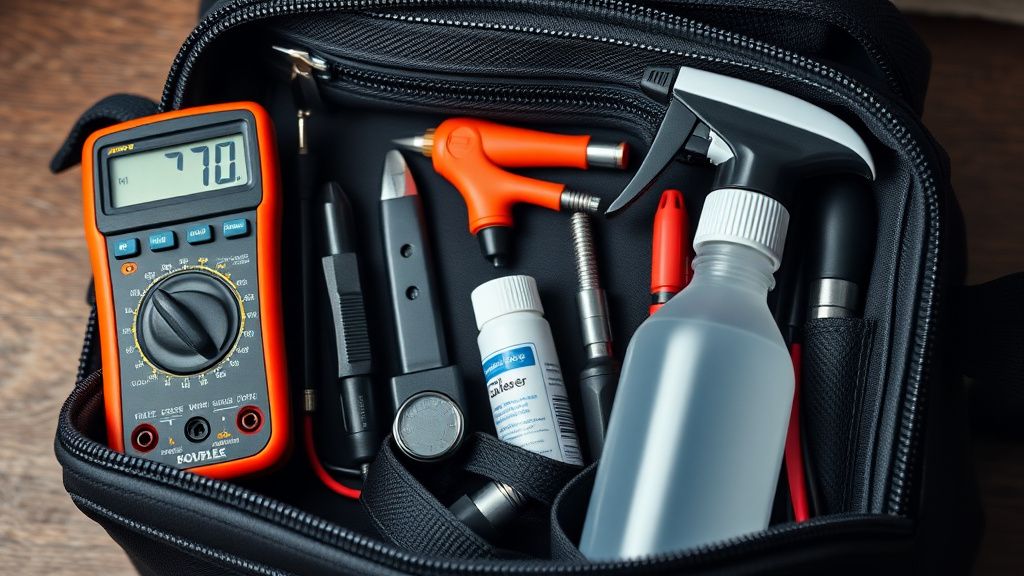
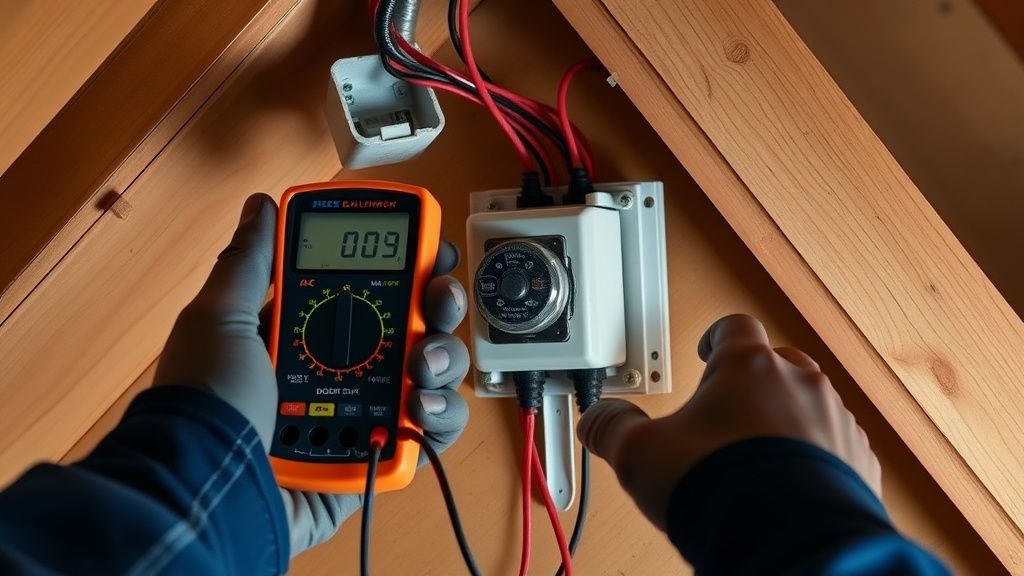
1. Diagnostic Testing (Voltage): Use a multimeter to measure the AC output at the doorbell wires. If the reading is below 16V AC, the transformer must be replaced. Do not assume the original home wiring is sufficient; many houses built before 2010 have doorbell transformers that are incompatible with modern smart home power requirements.
2. Network Isolation: If the device frequently disconnects, create a dedicated 2.4GHz IoT Wi-Fi network. Many modern routers use "Band Steering," which attempts to force devices onto the 5GHz band. Ring doorbells (excluding some Pro models) perform much better on 2.4GHz due to better wall penetration. Force the doorbell to bind to a specific Access Point (AP) to prevent it from "roaming" between mesh nodes.
3. PCB Inspection: If the device has been exposed to the elements, inspect the terminal screws for oxidation or corrosion. Micro-corrosion acts as a high-resistance bridge, which significantly limits the current flow. Clean the terminals with a contact cleaner spray and a brass brush.
Factory Reset (Fabrika Ayarlarına Döndürme)
A factory reset should be the last resort, as it wipes all custom zones and historical metadata.
- Locate the reset button (usually on the side or rear of the device, depending on the model).
- Hold the button down firmly for 20 seconds.
- The light ring will flash, indicating it is rebooting and entering "Setup Mode."
- Once the light starts spinning, the device is ready to be re-added via the app.
When to Replace (Ne Zaman Yenisiyle Değiştirilmeli?)
- Motherboard Failure: If the device does not show any light activity even after being connected to a known-good, high-amperage power source, the internal motherboard has likely suffered a surge or component failure.
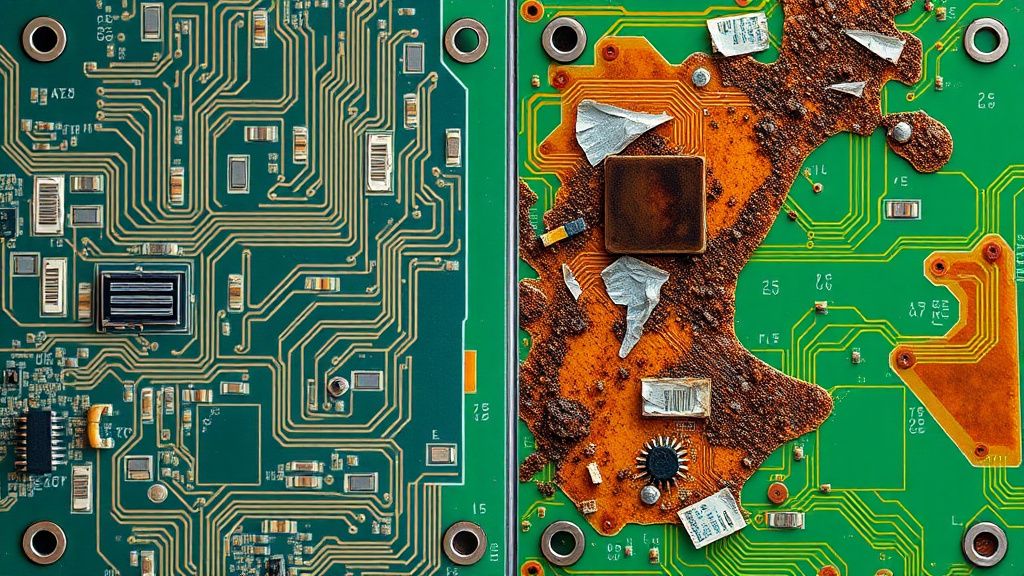
- Water Ingress: If you open the casing and see blue/green oxidation on the circuit board, the weather seal has failed. Repairing this is impossible as the corrosion will inevitably lead to a short circuit or "zombie" mode where the doorbell rings randomly.
- Battery Swelling: If the rear panel of the unit appears bowed or bulging, the lithium-ion battery has entered a dangerous thermal state. Do not attempt to repair. Replace immediately to avoid fire hazards.
Karşılıklı Eleştiri ve Saha Raporları (Real Field Reports & Debate)
Real Field Report (Technician’s Notebook): Last week, I visited a client who reported their Ring Video Doorbell 3 going offline every time the furnace started. After testing the wiring, I discovered the doorbell wiring shared a conduit with the high-voltage thermostat wire. The electromagnetic interference (EMI) was causing packet loss on the Wi-Fi chip. We shielded the wire, and the connection stabilized instantly.
Counter-Criticism (The "Subscription Trap" Debate): There is an industry controversy regarding whether Ring intentionally throttles connectivity for devices that are not subscribed to the "Protect Plan." While users often claim their device performs worse when their subscription expires, experts point out that the cloud processing demand remains the same. However, the lack of continuous cloud recording means the device doesn't have the same "data throughput" heartbeat, which some claim makes it more prone to falling offline. As a technician, it is important to separate perception from technical reality: a device that isn't streaming data doesn't necessarily have a worse connection, but users perceive it as "dead" because the app's responsiveness feels slower.
FAQ
Is it safe to leave a Ring Doorbell offline for long periods?
Why does my Ring Doorbell keep going offline only at night?
Can I upgrade my doorbell transformer myself?