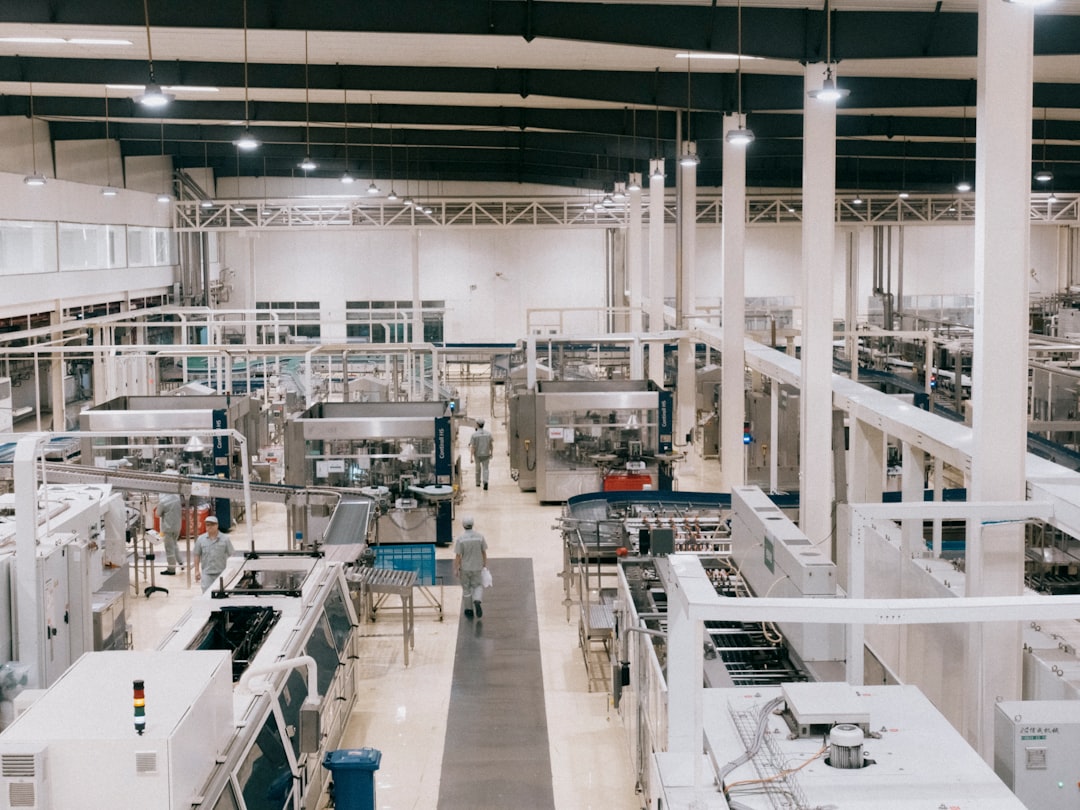
The traditional dropshipping model, once the golden ticket for e-commerce entrepreneurs, is effectively dead in 2026. The new paradigm, "Hyper-Local Private Labeling" (HLPL), replaces mass-market arbitrage with regional manufacturing, localized branding, and direct-to-consumer fulfillment. By moving production closer to the end-user, micro-brands bypass the systemic failures of global shipping—unpredictable lead times, lack of quality control, and the "cheap Chinese import" stigma—to scale globally while acting locally.
The Death of the Arbitrage Mindset
If you are still searching for a "winning product" on AliExpress, remember that the tax implications of international sales are complex; for those operating across borders, check out this Digital Nomad Tax Alert: How to Avoid Automated Residency Audits in 2026 to avoid unexpected traps. The economics of global commerce are shifting, much like how The Great Battery War: How Patent Moats Are Shifting Global Power is reorienting supply chains, making it harder to rely on cheap, long-distance logistics.
Hyper-local private labeling isn’t about dropshipping; it’s about distributed manufacturing, a model requiring the same precision seen in How to Build a Sustainable $15k/Month AI Automation Agency by 2026. Instead of relying on a single warehouse, you leverage regional partners, ensuring you aren't caught in the supply chain volatility that also impacts industries like Why the Deep-Sea Mining Boom is Hitting a Major Regulatory Wall. If you are selling high-end skincare, you aren’t importing it from a generic factory; you are formulating it with a lab in Poland for the European market and a separate lab in Mexico for the North American market.

The Operational Reality: Why Decentralization is the Only Path to Scale
In 2026, scaling a micro-brand no longer means "more SKUs," just as professional health coaching has moved toward high-tech models like How AI is Changing the Future of Intermittent Fasting Coaching. It means "more nodes." When you distribute your manufacturing nodes, you solve the most common point of failure for modern e-commerce: logistics friction.
Traditional dropshipping fails because the distance between product creation and delivery is too great, a lesson property investors are learning as they pivot toward How to Actually Automate Your Rental Portfolio in 2026. When a package is stuck in a customs queue for 12 days, the "trust equity" of your brand is eroded. HLPL flips the script:
- Node-Based Fulfillment: By having a manufacturing partner in your target market, you drop fulfillment time from 15 days to 2 days.
- Regulatory Compliance: You manufacture to the standards of the region you sell in (e.g., EU cosmetic regulations vs. FDA guidelines).
- The "Local" Halo Effect: Consumers in 2026 are aggressively opting for "Made in [Region]" products. A brand that can say "Formulated in Germany, Sold to Germans" carries a trust premium that a generic international brand simply cannot match.
The Engineering of a Micro-Brand Node
The technical implementation of this isn't handled by "apps" on a Shopify dashboard. It’s handled by API-driven manufacturing orchestration. You aren't hiring a manufacturer in the traditional sense; you are plugging your sales channel into their inventory management system via middleware that connects your store to regional production queues.
- The Middleware Gap: The biggest hurdle is the lack of standardized APIs for small-batch manufacturing. Most high-quality regional workshops are still operating on spreadsheets and legacy ERPs. The winners in 2026 are the ones who build the "glue"—the custom scripts that convert store orders into raw material purchase orders at the manufacturing node level.
- The Conflict of Quality: One of the most brutal realities of HLPL is "formula parity." If you sell in two different regions, you have two different manufacturers. They will never produce the exact same product. Your customers will notice. You must accept that your brand is a standard, not a commodity. You need rigorous QC protocols that include sending random samples from each node to a third-party lab for verification.
Field Report: The "Craft & Scale" Failure (Berlin Case Study)
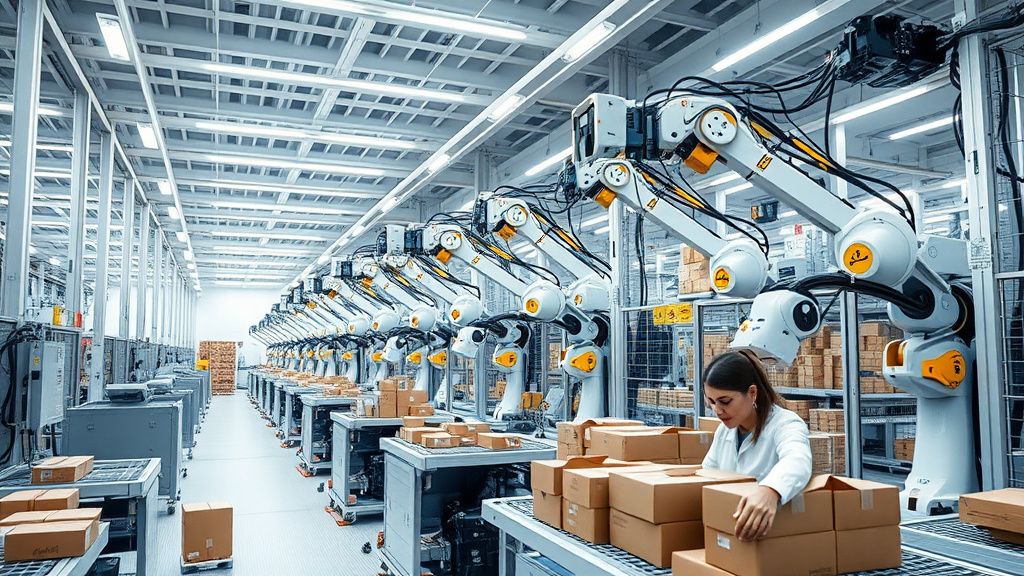
In late 2025, a home-goods micro-brand attempted to use a network of "hyper-local" workshops in Germany to fulfill orders globally. They failed within eight months. Why? Because they ignored the scaling plateau.
The founder told a Reddit thread on r/Ecommerce, "I thought I could just add more workshops as I grew. I ended up with five different workshops, each producing slightly different color shades for the same product. My return rate hit 30% because the customers were receiving products that didn't match the photos on the site."
The lesson here is clear: Decentralized production requires centralized oversight. The infrastructure for HLPL is not just the factory; it is the standardized production manual—the "Golden File"—that you provide to every node. Without the Golden File, you don’t have a brand; you have a collection of similar-looking items from different strangers.
Counter-Criticism: Is This Just Over-Complicated Dropshipping?
Critics argue that HLPL is merely "dropshipping with extra steps." They are partially correct. The barrier to entry is exponentially higher. You are moving from a low-capital software model (dropshipping) to a high-capital operational model (manufacturing orchestration).
The fundamental argument against HLPL is Fragility. When you rely on a single dropshipper, if they fail, you lose one supplier. If you rely on a network of 10 hyper-local manufacturers and two of them go under or experience a labor strike, your supply chain doesn't just stutter—it collapses.
However, the counter-argument is Resilience. When global shipping lanes were disrupted by the Red Sea crisis in early 2026, the brands that were "hyper-local" didn't stop selling. Their inventory was already inside the borders of their consumers. While their competitors were staring at "out of stock" screens, the HLPL brands were iterating on their regional marketing.

The Hidden Costs of the Hyper-Local Pivot
If you transition to this model, be prepared for the hidden costs:
- Regulatory Overhead: You now have to manage VAT, regional certifications, and local legal entities for your manufacturing partners.
- Negotiation Friction: Small, high-quality local workshops don't care about your "scale." They care about margins and consistent volume. You will spend 60% of your time in 2026 negotiating MOQs (Minimum Order Quantities) that allow you to keep inventory lean but present.
- Platform Lock-in vs. Agnostic Infrastructure: Avoid being too reliant on a single "private label manufacturer network" platform. These platforms are notorious for aggressive price hikes once they have your data. Build your own direct relationships with your manufacturers.
The Psychology of the 2026 Consumer
The consumer has become cynical. They know that "Free 2-day shipping" is the industry standard. They don't care about your brand story as much as they care about the Frictionless Unboxing Experience.
The secret to scaling in 2026 is Geographic Brand Messaging. You don't market to the "world." You market to "London." You market to "New York." You build the product in their backyard, and you tell them that. The emotional connection of "We make this here for you" is currently the strongest conversion lever in the post-AI-spam internet era.

Future-Proofing: What Happens Next?
The next wave is "On-Demand Hyper-Local." Imagine a 3D-printing or CNC-machining hub located within 50 miles of every major city. Your customers buy the design, and the physical object is manufactured in the hub closest to them.
We are currently in the transition phase. The technology for truly automated, on-demand, hyper-local manufacturing exists (it’s being used in industrial prototyping), but it hasn't trickled down to consumer goods yet. The brands that start building these relationships now—who learn how to manage the "Golden File" of quality control—will be the ones who define the retail landscape in 2030.