
The premise of "PropTech Arbitrage" in 2026 is simple: rent a property in a high-demand digital nomad hub at a long-term rate, furnish it with high-end, work-ready aesthetics, and sublease it at a premium on platforms like Airbnb or specialized mid-term housing marketplaces. In theory, it is the ultimate "passive" play, though those looking to diversify income streams might also consider The Future of Life Insurance: How Insurers are Pivoting to Longevity Preservation. In reality, it is a high-wire act of property management, regulatory navigation, and psychological warfare against local housing markets.
The Architecture of the Modern Rental Arbitrage
Building a hands-off system in 2026 isn't about property ownership; it’s about control. You aren’t a landlord; you are a service provider operating a temporary hospitality business. The "arbitrage" comes from the delta between a 12-month commercial/residential lease and the nightly or monthly revenue generated by remote workers who often juggle these living arrangements alongside the challenges discussed in Why "Quiet Quitting" Is Evolving Into a Remote Work Crisis – And How Leaders Can Respond.
To make this hands-off, your tech stack must act as the glue. You need:
- Dynamic Pricing Engines: Tools like PriceLabs or Beyond to capture the surge during seasonal nomad migrations (e.g., escaping European winters to Bali, Mexico City, or Cape Town).
- Access Control: IoT-enabled smart locks (Schlage, Yale) that integrate with your booking system to generate unique entry codes for every guest.
- Noise/Occupancy Monitoring: Sensors like Minut to ensure the "remote worker" isn't actually hosting a rave that gets you evicted by the master landlord.

The Operational Reality: When the "Passive" Dream Breaks
The marketing gurus promise you can set this up in a weekend, sit on a beach, and watch Stripe deposits roll in. That is a dangerous simplification. The operational reality is filled with "maintenance debt"—the slow accumulation of unaddressed minor issues that eventually cause a system failure.
I’ve seen operations in Lisbon and Medellin collapse because the "hands-off" lead ignored the friction of local expectations. When a guest messages at 2:00 AM because the smart lock battery died or the mesh Wi-Fi system decided to throttle the connection, you might wish you had invested in Stop Resetting Routers: How Tech Pros Are Charging Premium Fees for Wi-Fi 7 Optimization instead of battling connectivity issues. It becomes a support nightmare. If you do not have a local "boots-on-the-ground" partner—a trusted cleaner or concierge—who handles the physical entropy of the unit, your rating will crater, and your arbitrage margin will disappear into refunds and platform penalties.
The Regulatory Counter-Criticism: Gentrification by Algorithm
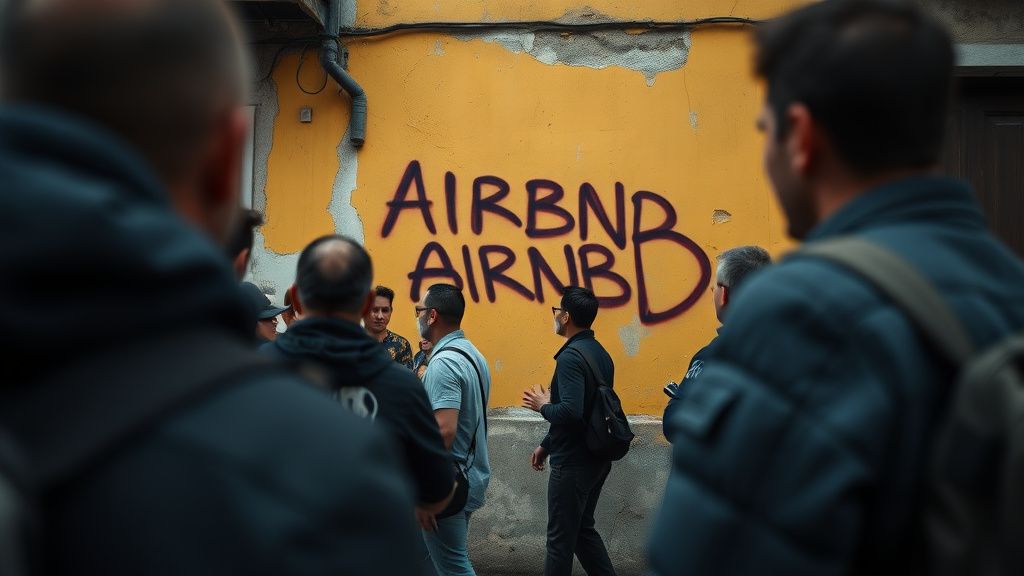
There is a growing, fierce debate surrounding PropTech arbitrage. In cities like Barcelona and Berlin, local governments are actively deploying "scraper bots" to identify illegal short-term listings. If you are operating an arbitrage model, you are essentially "parasitic" in the eyes of housing regulators.
Critics argue that you are inflating local rents by converting long-term housing stock into short-term inventory, forcing locals out. This creates a volatile political environment. As a professional operator, you cannot ignore this, especially as global regulations evolve in ways similar to the concerns outlined in The Hidden Economic Gamble of Remote Work Visas for Small Nations. Relying on "gray area" permits is a failing strategy in 2026. Savvy operators are now pivoting toward legitimate corporate housing leases, where they work directly with landlords to declare the use case transparently, often sharing a slice of the arbitrage profit to secure long-term stability.
The Failure Patterns of Scaling
Why do most of these ventures fail? They fail at the "Scaling Inflexion Point."
- The "One-to-Three" Trap: Operating one or two units is manageable. Moving to five or ten requires a full-time staff member or an automated support suite that costs more than the marginal gain.
- Infrastructure Stress: Many older buildings in "cool" neighborhoods have electrical grids that cannot handle multiple units running simultaneous AC and high-powered workstations. I recall a developer on a project who, having witnessed the volatility of these markets, shifted their focus toward more stable business models like those detailed in Beyond One-Product SaaS: Why Micro-SaaS Clusters Are the Future of 2026. Reddit thread (r/digitalnomad) lamenting how a localized power surge fried his smart-home hub, locking three separate guests out of their units at the same time. The resulting manual triage ruined his weekend and his reputation.
- Trust Erosion: When you scale, you lose the "personal touch" that kept your initial ratings high. Guests notice when the "custom-curated guide" is just a ChatGPT-generated PDF that points to closed restaurants.
Field Report: The Medellin Contradiction
In the El Poblado district of Medellin, I observed a cohort of arbitrage operators trying to move from "cozy boutique" to "automated monolith." They pushed for high-density, low-touch stays. The result? The neighborhood shifted. The community became hostile. Guests, once treated as welcomed travelers, became targets for petty crime because of the constant churn of "strangers" in the building.
The lesson here is "Social Integration as a Service." Successful operators are now paying for community goodwill—sponsoring local trash cleanup or partnering with neighborhood cafes to provide vouchers for their guests. It’s an added cost, but it lowers the "friction of existence" for the operator by preventing neighbor complaints that lead to police visits or landlord scrutiny.

The Technical Debt of Smart Management
The reliance on APIs is the biggest "hidden" risk. Your entire business likely depends on the Airbnb API, Stripe, and some form of channel manager (like Guesty or Hostaway). When these platforms update their policies or change their API limits, your "passive" system might stop sending access codes or syncing calendars.
I recall a thread on a developer forum where a major update from a popular channel manager caused a "double booking cascade." Twenty-four units were suddenly double-booked because the syncing engine misread the data during a traffic spike. The operator spent 48 hours manually negotiating re-housing for angry guests. If you don't have a manual fail-safe—a way to override your system with a physical key box—you are one platform glitch away from total operational collapse.
Why Beginners Quit
Beginners quit because they view this as a real estate play. It is not. It is an attention play.
If you aren't monitoring your sentiment scores on Twitter/X or your response times on WhatsApp, you're missing the "early warning signs" of a failing unit. Users are increasingly sophisticated; they expect hotel-grade standards with the "soul" of an apartment. When they encounter a "work-from-anywhere" unit with unstable internet, they don't leave a 3-star review; they burn the unit down on social media, tag the host, and alert the platform's trust and safety team.
The shift toward 2026 has been toward "curated authenticity." If your unit feels like an IKEA showroom, you are losing. If it feels like a place where a remote worker could actually live for three months without going insane, you win.

The Future of Arbitrage: Decentralized Hosting
We are seeing a move away from relying solely on the "Big Platforms." Savvy operators are building their own booking funnels through niche Discord communities, Slack channels for remote-work startups, and direct-booking websites that bypass the 15-20% platform commission.
This is the only way to insulate yourself from platform platform-risk. If Airbnb decides to shadow-ban your account due to an algorithmic error (which happens more often than the company admits), a direct-booking funnel is the difference between a minor dip and bankruptcy.