
The Philips Airfryer XXL is essentially a desktop convection oven that has undergone aggressive marketing and engineering refinement, yet it remains fundamentally vulnerable to the physics of high-heat environments. When you see a flashing error code or smell ozone without the satisfaction of crispy fries, it usually points to a failure in the thermal fuse, heating element continuity, or the NTC sensor array. Most users, faced with these failures, are ushered toward a replacement cycle rather than repair. This guide is for the latter group.
The Anatomy of Failure: Heating Element Impedance and Thermal Cut-offs
If your unit has stopped heating, the first place to look is the thermal overload protection circuit. In the Philips XXL series, the engineering philosophy relies on a "fail-safe" architecture. If the main PCB detects an erratic signal from the NTC (Negative Temperature Coefficient) thermistor, or if the circuit detects a high-resistance fault in the 1700W heating coil, the controller locks out the power relay to prevent a thermal runaway fire.
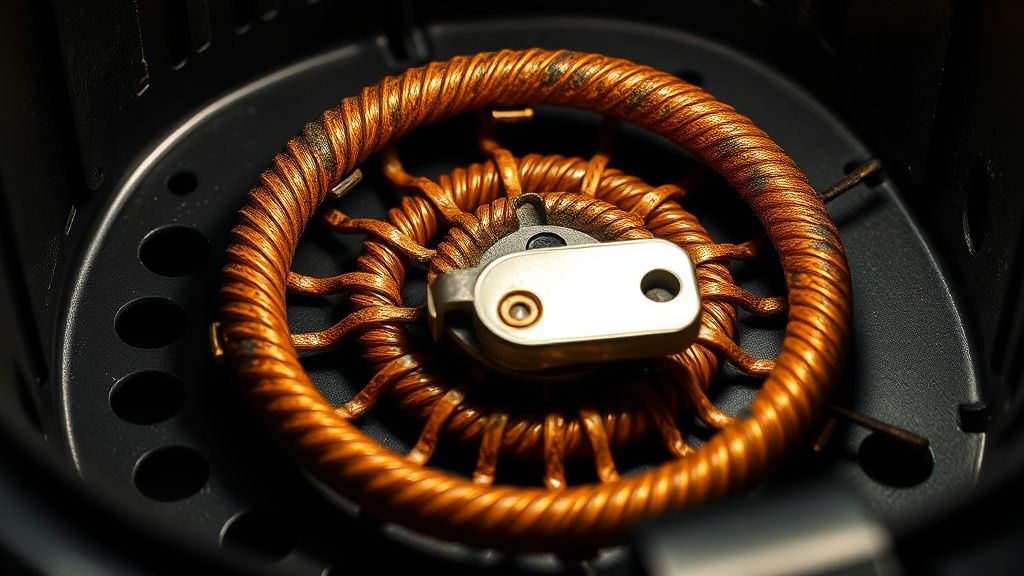
Most users report that their machine "works, but blows cold air." This is a classic symptom of a blown thermal fuse hidden deep within the wiring loom. You aren't just looking at a bad coil; you are looking at a system that prioritized safety over durability. The Rapid Air Technology fan pushes air across a scorching coil; over years of grease accumulation, that heat struggles to dissipate, eventually cooking the components surrounding the heater housing.
Diagnosing the Philips Airfryer XXL: Multimeter Methodology
Before you start stripping the chassis, you need a multimeter. Do not rely on "vibes" or the "smell test."
- Check for Continuity: Unplug the device. Remove the top housing. Locate the heating element terminals. You are looking for a reading of roughly 20-30 ohms. If you get an "OL" (Open Loop) reading, the element has burnt out or the internal thermal fuse has tripped.
- The NTC Sensor Drift: The sensor is a small glass bead held in a housing near the coil. If this sensor reports a temperature higher than reality due to coked-on grease insulating it, the controller will artificially throttle the heat. Clean it with high-grade isopropyl alcohol (99%). If the resistance values aren't stable as you apply heat, the sensor is drifting—a common issue after 3+ years of service.
Real Field Reports: The "Grease-Caking" Epidemic
Looking at threads on r/airfryer and various appliance repair forums, there is a recurring narrative: the "clean-less" myth. Users often assume the self-cleaning nature of the high-heat cycle is sufficient. In reality, fine oil vapor is pulled into the ceiling of the unit, coating the electronics and the thermal cut-off switch.
One specific case study involved a user on a DIY appliance forum describing an "F4" error. Their repair journey involved replacing the main control board only to find the problem persisted. It wasn't the board; it was a microscopic layer of baked-on oil on the temperature sensor leads, which caused a voltage drop that the micro-controller interpreted as an "overheating emergency." They spent $80 on a board when a $2 swab of solvent would have fixed it. This is the "Service Center Trap"—where components are replaced instead of analyzed.
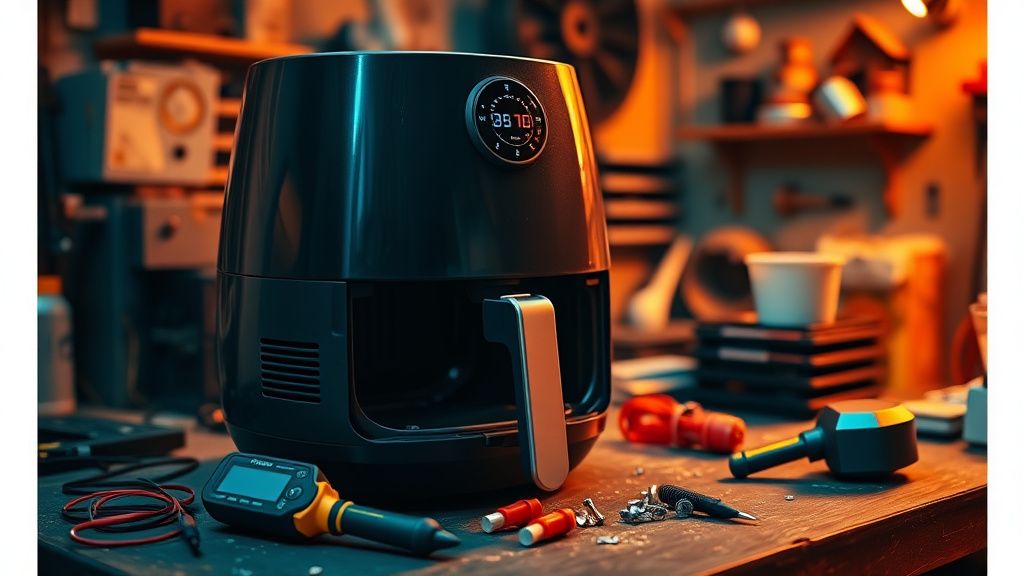
Counter-Criticism: Should You Even Fix It?
The debate in the engineering community regarding "Right to Repair" vs. "Disposable Consumer Goods" is stark here. Philips, like many manufacturers, uses proprietary security screws (Torx with a center pin) to discourage amateur repair. While this preserves their liability chain, it effectively turns a $300 appliance into a piece of e-waste the moment a $2 fuse blows.
Critics argue that the internal PCB design is not robust enough for the vibration cycles of the high-speed fan. Others point out that the plastic housing becomes brittle due to constant thermal cycling, making reassembly a nightmare of cracked clips. If you aren't comfortable with high-voltage electronics, don't open the unit. The risk of defeating a safety mechanism is real. If you mis-wire the thermal fuse, you risk a fire. That is the operational reality of "fixing it yourself."
Troubleshooting Power Supply and PCB Logic Issues
When the heating element is fine, but the unit displays a blank screen or a cryptic error, the problem is likely the transformer or the capacitor bank on the PCB.
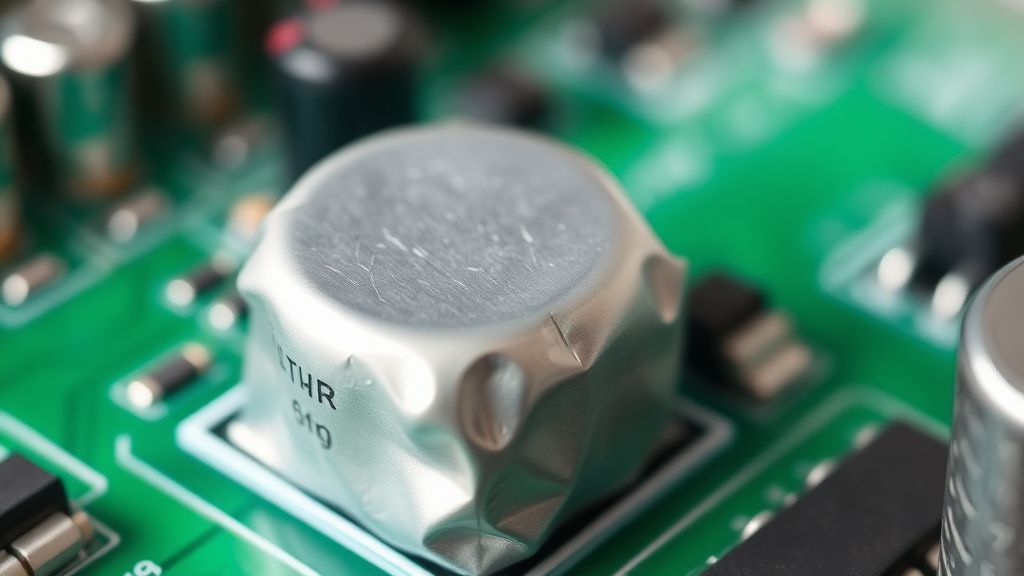
- Capacitor Bloat: Inspect the capacitors. If they are bulging, the power supply is failing to provide stable voltage to the controller. This leads to "ghost" errors.
- Relay Chattering: If you hear a rapid clicking sound, the relay is struggling to latch. This is often due to poor electrical contact caused by carbon buildup from microscopic sparks.
The "Workaround" Culture: Why Owners Hack Their Own Machines
There is a growing subculture of owners who have bypassed the standard thermal fuse with high-temp rated alternatives. While this restores function, it is ethically and technically questionable. The community on GitHub and specialized Discord servers often debates the "safety trade-off."
Proponents argue: "The original fuse was calibrated too conservatively, it trips at 140°C even though the internal plastic is rated for 160°C." Skeptics argue: "You are one bad batch of frozen nuggets away from a kitchen fire."
The truth is somewhere in the middle: the systems are designed for a 3-5 year lifespan. Anything beyond that is "bonus time." If you are attempting to extend the life of your unit, you are fighting against planned obsolescence built into the thermal tolerances.
Advanced Maintenance: Keeping the Airflow Path Clear
The reason most heating elements fail is inadequate heat dissipation. When the vent paths (both intake and exhaust) are blocked by cabinet walls or grease buildup, the air inside the chamber stagnates.
- The Intake Grille: This is usually overlooked. It's on top of the unit. Dust and oil combine here to form a matted felt that throttles the cooling fan, which in turn causes the heating element to run hotter than it should.
- The Fan Blade: Carbon buildup on the centrifugal fan blade changes its aerodynamics, reducing the mass flow rate of air over the element.
Why does my Philips Airfryer XXL keep shutting off mid-cycle?
This is almost always a sign that the NTC sensor is detecting an "over-temp" condition due to restricted airflow or a failing temperature controller. Check your intake and exhaust vents for debris. If those are clear, the NTC sensor likely needs to be replaced or cleaned of carbon buildup.
Can I replace the heating element myself if I have no experience?
Technically, yes, but it is not recommended for beginners. The housing is densely packed, and you must deal with high-voltage connections. If you strip the security screws or fail to seat the thermal gasket correctly, you compromise the unit's fire safety. Only proceed if you are comfortable with basic electrical diagnostics and soldering.
Why is there no "reset" button for the heating error?
Modern appliance firmware is designed for liability protection. If a critical thermal fault occurs, the machine locks out to prevent potential fire hazards. A "reset" button would imply that the user can manually override a safety system—a massive legal liability for the manufacturer. You must fix the underlying fault for the logic board to "auto-reset."
Is the "F4" error code a permanent death sentence?
Not necessarily. While official support might tell you the unit is trash, "F4" usually refers to a communication error between the mainboard and the sensor array. Often, it is just a loose wire harness that has shaken itself loose due to fan vibration. Reseating the internal connectors often clears the error.
Does using a third-party accessory affect the heating element lifespan?
Absolutely. Accessories like full-coverage baking pans or heavy silicone liners disrupt the designed "Rapid Air" vortex. When air cannot circulate underneath your food, the sensor near the heating element perceives a "cold" zone and pushes the coil to maximum duty cycle constantly, leading to premature thermal degradation.
Final Thoughts on the Ecosystem
The Philips Airfryer XXL is a marvel of consumer-grade convenience, but it is a closed ecosystem. The engineering trade-off is clear: you get high performance and a compact footprint in exchange for a device that is essentially a "black box." When it fails, you are faced with a choice: play the role of the repair technician, accepting the risks and the mess, or accept the cycle of the consumer market. If you choose to repair, remember: document the process, photograph the connector layout before unplugging, and always, always test for ground faults before plugging it back into the wall.