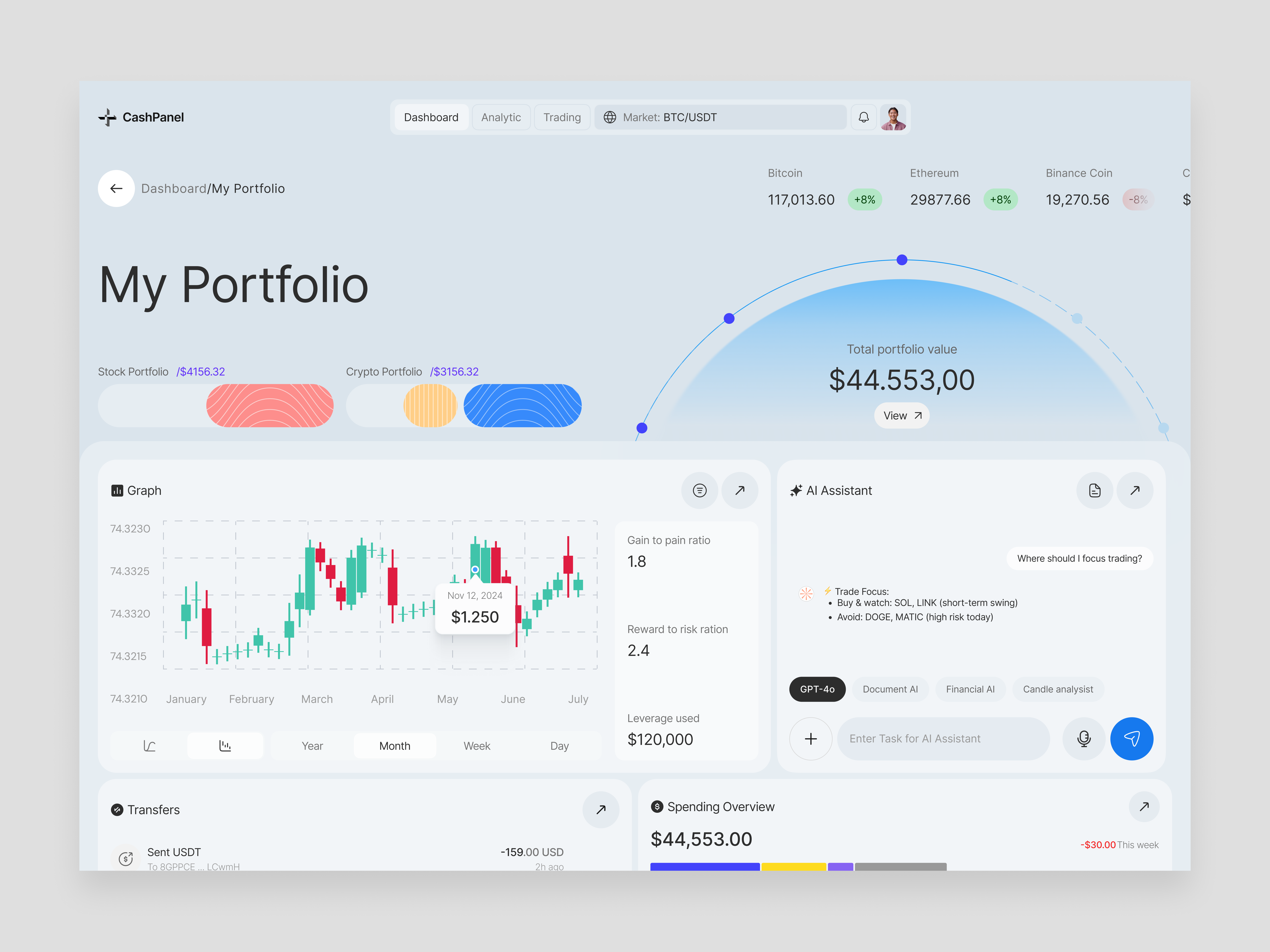
The term "solopreneur" used to imply a freelancer with a laptop, a Stripe account, and a modest SaaS subscription. By mid-2026, the archetype has shifted. Today’s solo operators are effectively micro-hedge funds, running autonomous agent swarms that navigate decentralized finance (DeFi) protocols with the clinical coldness of institutional traders. The goal? A sustained $100k/year yield, not from active day trading, but from algorithmic liquidity provisioning.
But beneath the polished dashboards and the "set-it-and-forget-it" marketing copy, the reality on the ground is a frantic, high-stakes game of whack-a-mole.
The Myth of "Set and Forget"
Visit any specialized Discord server—like those orbiting the high-liquidity L2 pools on Arbitrum or the cross-chain bridges connecting modular blockchains—and you won't find tranquility. You’ll find people debugging smart contract interactions at 3:00 AM because an automated yield harvester got "rebalanced" into a impermanent loss black hole.
The $100k annual target is mathematically achievable, assuming a portfolio size of roughly $400k–$600k deployed across a tiered risk strategy. But that isn't passive income; it’s infrastructure maintenance. The primary failure point for the modern solopreneur isn't the market itself—it’s the "integration debt."
"I spent three days rewriting an agent’s interaction logic because a protocol updated its router contract without a deprecation notice," says one developer in a thread on a popular DeFi governance forum. "The UI said everything was fine, but the logs were leaking gas like a sieve. If I hadn't caught the slippage on the swap, that pool would have eaten my margin in an hour."
The Stack: Where the Real Money Lives
The 2026 solopreneur stack has standardized around a few pillars:
- Agent Orchestrators: Frameworks like AutoGPT-v4 or custom LangChain implementations that monitor on-chain events via WebSocket.
- Flash Loan Arbitrage: The "cleaner" of the ecosystem, though highly competitive; if your agent isn't running on a node with <10ms latency to the sequencer, you’re just paying for someone else’s profit.
- Yield Aggregators: Automated vaults that move capital based on interest rate differentials.
The economic reality is harsh. The "easy" money—the 20% APY stablecoin farms of 2021—is dead. In 2026, those yields are largely institutionalized. To hit $100k, you have to go deeper into the "degen" layer: exotic LST (Liquid Staking Token) pairs or cross-chain lending markets where liquidity is thin, and the risk of a "de-pegging event" is high.
The Hidden Costs of Autonomy
The biggest friction point right now is Platform Instability. We are seeing an increase in what developers call "API-driven entropy." When a protocol like Morpho or Aave introduces an upgrade, the downstream effect on individual agent strategies is cascading.
There is a growing culture of workaround hacking. When the official SDKs break, the community pushes "hot-patch" repositories to GitHub. You aren't just using DeFi; you are maintaining a bespoke ecosystem of middleware that links your local agent to the blockchain. If the middleware fails, your "portfolio" stops earning—or worse, starts executing trades on stale price data.
The Psychological Tax
There is a profound, rarely discussed disconnect between the "AI-powered" promise and the emotional reality. The solopreneur is perpetually tethered to a kill-switch. When a major protocol experiences a "governance drama" or a security vulnerability—what we’ve started calling Protocol Stress Events—the AI won't save you if it hasn't been programmed to recognize the "smell" of a potential rug-pull or an oracle failure.
We aren't seeing people "retire" on this income. We are seeing people become glorified system administrators for their own money. The irony is that the more "AI-powered" you become, the more you have to understand the underlying solidity code. The abstraction layer is leaky.
Infrastructure Fragility
The most dangerous trend is the over-reliance on centralized RPC nodes. If your agent is hitting a heavily throttled node provider, your transaction might sit in the mempool for seconds too long. In 2026, those seconds are the difference between a profitable harvest and a liquidated position. The "pro" solopreneurs are now building their own private RPC endpoints—another layer of technical overhead that is rarely factored into the "lifestyle" pitch of AI-driven wealth.