
The 2026 e-commerce landscape is no longer about who can win the "Buy Box" on Amazon; it is about who can escape it. For years, the FBA (Fulfillment by Amazon) model was the gold standard for scaling—a low-friction entry point that commoditized growth. But as the platform evolved into a high-density, pay-to-play arena characterized by aggressive CPC inflation and the erosion of brand identity, the tides have turned. By 2026, the real ROI is being found not in chasing algorithmic discovery, but in the deliberate, curated, and high-retention world of private label subscription boxes. This is a shift from "transactional acquisition" to "relational LTV."
The Death of the "Flywheel" Illusion
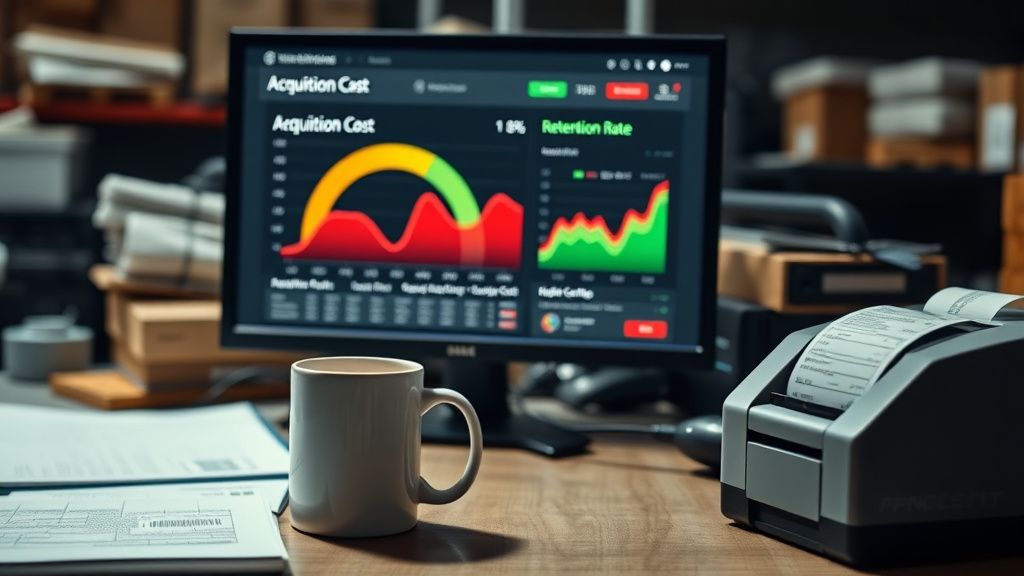
For a decade, the "Amazon Flywheel" was the gospel: lower prices lead to more customers, which leads to more sellers, which leads to better selection. For the seller, the reality was a slow-motion trap. As of 2026, the cost of customer acquisition (CAC) on Amazon has reached a point where margin compression is terminal, leading many to explore how proprietary data becomes the ultimate competitive advantage.
When you sell via FBA, you are not building a business; you are renting space in a graveyard of competitors. The algorithm dictates your visibility. If your conversion rate dips for 48 hours because a competitor dropped a coupon, the platform deprioritizes you. It is a system designed to keep the merchant in a state of perpetual, high-stress optimization.
In contrast, the curated private label subscription model—often built on Shopify, Recharge, or direct-to-consumer (DTC) backends—flips the power dynamic. You aren't competing for a click in a sea of identical products; you are delivering an experience. In 2026, the winners are the brands that treat "shipping" not as a logistics hurdle, but as a marketing touchpoint.
Why the Economics Have Flipped
The fundamental economic shift lies in the Recurring Revenue Advantage. In the FBA model, you spend money to acquire a customer, and then you spend money to acquire that same customer again next month via remarketing, retargeting, and couponing. It is a leaky bucket.
A private label subscription creates an annuity-style cash flow. Here is why the math currently favors subscription over marketplace arbitrage:
- Inventory Predictability: You aren't guessing how many units to ship to an FBA center three months in advance, a strategy often scrutinized by those studying how top exporters are moving to regional warehousing to protect margins. You know exactly how many boxes to pack for your active subscribers. This drastically reduces dead-stock risk.
- Zero Platform Tax: You retain the full margin. Even with higher shipping costs, the absence of Amazon’s referral fees (which can exceed 15-20% when factoring in advertising) creates a surplus of capital that can be reinvested into product quality.
- Data Ownership: On Amazon, you don’t have an email list. You have an order ID. In a subscription model, you have an address, a purchase history, and a direct line of communication—a significant upgrade over the hidden risks of scaling in emerging markets. You own the narrative.

The "Curated" Difference: Beyond the Commodity Trap
The term "subscription box" is often unfairly maligned because of the 2015-era "junk in a box" craze. The 2026 iteration is vastly different. It is about curated replenishment or discovery retail.
Consider the "Coffee Roaster’s Syndicate" model. Instead of selling a bag of coffee on Amazon where a customer might price-compare your bean against 50 others, a subscription brand sends a personalized selection based on the user's brewing method (Pour-over vs. Espresso) and taste profile. The "value" isn't the bag of coffee; the value is the curation.
The Operational Reality: This isn't easy. You move from being a "merchant" to a "service provider." If the curation is bad, the subscriber cancels instantly. This forces a higher level of quality control that simply doesn't exist in the FBA "race to the bottom," reminding us why learning to flip neglected assets for profit remains a superior strategy for savvy operators.
Real Field Report: The "Subscription Sinkhole" of 2025
It is vital to address that this transition is fraught with failure. In late 2025, a prominent niche skin-care brand attempted to pivot entirely from FBA to a direct subscription model. They underestimated the Churn Velocity.
On Amazon, they had a steady stream of "accidental" traffic. When they moved to a subscription-only model, they realized their CAC tripled because they were now fully responsible for the entire funnel. They lacked the infrastructure to handle churn mitigation. They ended up bleeding cash for six months until they integrated a "Pause/Skip" feature that was transparent and easy to use.
Lesson: The transition from Amazon to subscription requires a "Soft Landing." You cannot abandon the marketplace overnight. You use the marketplace as a discovery channel—a place to introduce the product—and then you ruthlessly push for the subscription conversion on your own site via inserts, loyalty programs, and personalized follow-ups.
The Counter-Criticism: Why FBA Still Persists
To remain objective, we must address the "Amazon Defense." Critics argue that consumer behavior is permanently tethered to the "Prime" psychology—the expectation of 24-hour delivery and zero-friction returns. Building a subscription brand independently means dealing with customer support, logistics, and fraud detection.
Many small business owners find the "Amazon Tax" to be a reasonable price to pay for the "outsourcing of sanity." If you are a solo entrepreneur, running a complex subscription logistics chain can be a nightmare of broken deliveries and support tickets. The question for 2026 is no longer "Amazon or Subscription?" but "How much of my margin am I willing to sacrifice for the convenience of not doing my own logistics?"
The Technical Debt of Independence
When you move away from the Amazon ecosystem, you inherit the technical burden of the stack. You need a reliable stack:
- Billing/Subscription Management: Tools like Recharge or Bold are now standard, but integration issues with Shopify or headless e-commerce setups are common.
- Churn Analytics: If you aren't tracking "Cohort Retention," you are flying blind.
- Warehouse Logistics (3PL): You are no longer using Amazon's global network. You are paying for a 3PL (Third Party Logistics) provider. If they screw up a shipment, the anger is directed at you, not a faceless platform.
Hacker News discussion from January 2026: "Moved 70% of our volume to self-hosted subscription. CAC is up, but LTV is up 3x. The downside? Every time the 3PL has a bad week, I'm the one answering 400 angry emails at 2 AM. It's a trade-off between algorithmic stress and operational stress."

The Psychology of the 2026 Consumer
Why are people sticking to subscription boxes in 2026? It’s the "Decision Fatigue" factor. Consumers are overwhelmed by the infinite choice on major marketplaces. A curated box is a service that says, "We have vetted this, we know what you like, and we will handle the rest."
This is where the "Private Label" aspect shines. You aren't just a reseller. You are the manufacturer. You control the packaging, the brand voice, and the unboxing experience. In a world of digital alienation, the physical unboxing experience of a subscription box is one of the few tangible brand interactions left.
Strategic Recommendations for the Transition
- Don't quit the platform cold turkey. Keep your "Hero SKUs" on Amazon to capture high-intent search traffic, but use them as a "sampling program." Include high-quality inserts that offer a significant discount on the subscription version of the product on your own site.
- Focus on "Pause" over "Cancel." The most successful subscription models in 2026 allow customers to skip months with one click. It feels counter-intuitive, but it massively reduces the churn rate. People don't want to cancel; they just don't need more product right now.
- Community as a Moat. The businesses winning in 2026 are building Discord servers or private forums for their subscribers. This creates a sense of belonging that Amazon can never replicate. When a user feels like part of a tribe, they don't look at the price difference between your brand and a generic competitor.